
Top Stories
SEBI Overhauls Mutual Fund Expenses, Boosting Investor Transparency

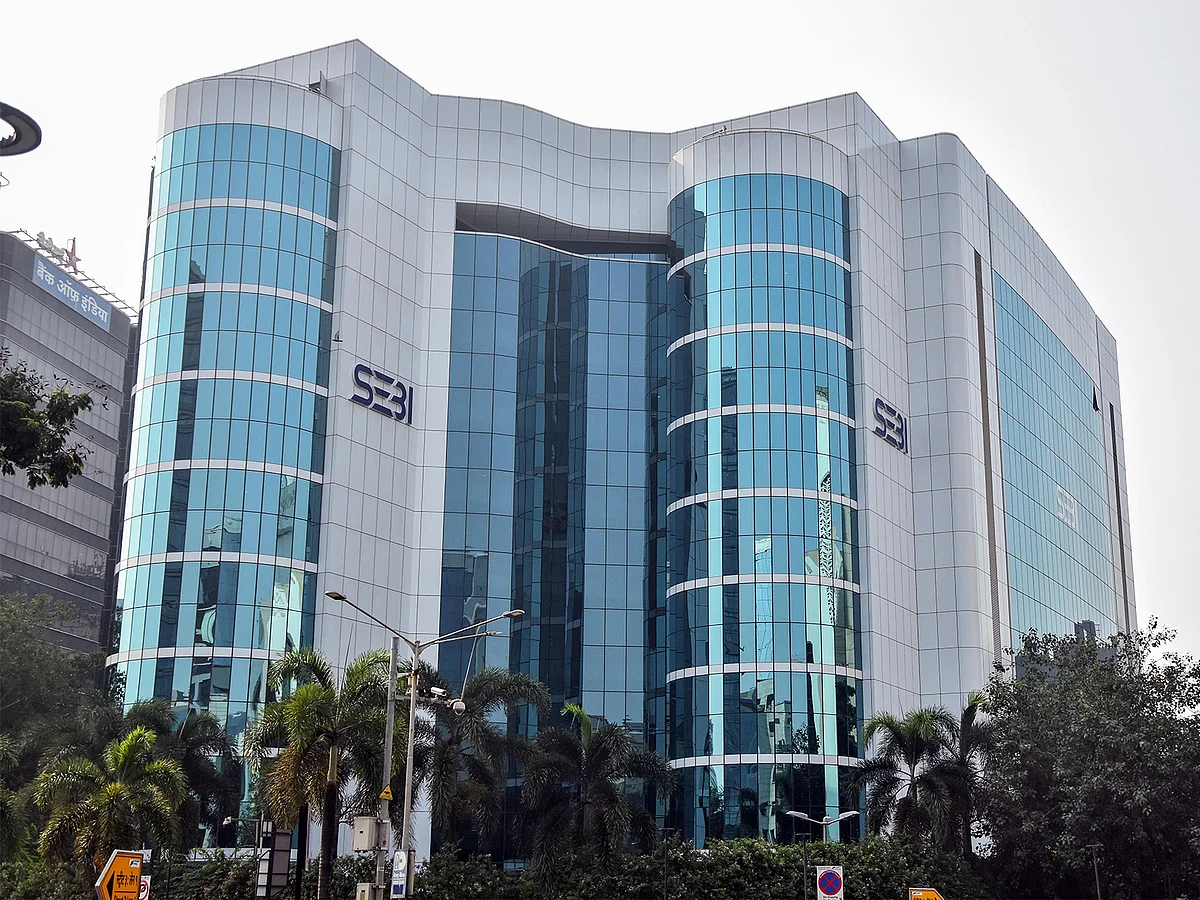
The Securities and Exchange Board of India (SEBI) introduced significant reforms to mutual fund expense regulations on March 15, 2024. These changes aim to enhance transparency for investors while potentially exerting short-term pressure on asset management companies (AMCs). According to a research analysis by Centrum, the revisions are expected to yield long-term benefits for investors.
One of the key elements of SEBI’s new regulations is the removal of an additional allowance of 5 basis points (bps) associated with exit loads. This adjustment is intended to eliminate hidden costs, thereby improving clarity regarding fund expenses. Although this move may negatively impact AMC profitability in the immediate future, it is designed to better align the costs borne by investors with the actual expenses of fund management.
Centrum’s report indicates that, without any mitigating actions, AMCs could face a cumulative impact on profit before tax (PBT) by the end of fiscal year 2027 (FY27). Nevertheless, the report suggests that fund houses have the opportunity to adjust their operating structures. This could include passing part of the cost burden to distributors, which would help maintain business sustainability without raising costs for investors directly.
Enhanced Transparency and Adjustments to Expense Ratios
In a notable move for investors, SEBI has proposed adjustments to the total expense ratio (TER) slabs for larger equity-oriented schemes. The regulator has revised the proposed TER cut for schemes with assets exceeding Rs 20 billion from an initial 15 bps to 10 bps. This change aims to ensure that efficient large schemes remain viable while providing competitive pricing for investors.
A significant aspect of the reforms is SEBI’s commitment to transparency. The new regulations require clearer segregation of base expenses, brokerage costs, and statutory levies. This enhanced disclosure framework is expected to empower investors by enabling them to understand the true costs associated with mutual fund investments. By fostering greater trust and confidence in the mutual fund industry, these reforms are anticipated to have a positive impact over the medium to long term.
SEBI has also implemented reductions in brokerage caps across both cash and derivatives segments, with statutory levies now charged separately. The report suggests that the overall impact on brokerages will be broadly neutral, as the expected reduction in brokerage revenues is likely to be limited. This approach aims to ensure market stability while reinforcing cost discipline across the sector.
Long-term Benefits for Investors
Overall, these reforms are viewed as structurally beneficial for investors. The combination of lower and more transparent expense disclosures, stricter cost controls, and improved comparability among schemes is expected to facilitate more informed investment decisions. While AMCs may face short-term earnings pressure as a result of these changes, the long-term outlook suggests a healthier and more transparent mutual fund ecosystem.
This shift is poised to better align the economic interests of the industry with those of investors, ultimately contributing to greater market efficiency. The ongoing evolution in mutual fund regulations indicates a commitment to enhancing investor experience and promoting a sustainable financial environment.

IShowSpeed Launches Massive 20-Country Africa Livestream Tour

Karnataka Initiates Statewide Polio Vaccination for 6.2 Million Children

Messi’s Kolkata Visit Sparks Outrage Over Expectations

Congress Criticizes New VB-G RAM G Law as Detrimental to Rural Economy

IDRBT and IIIT-Hyderabad Forge Alliance for BFSI Research

Ewers to Continue as Dolphins’ Starting Quarterback After Debut

Nicki Minaj Surprises at AmericaFest, Supports Trump and Vance

Radiology Services at MGMMCH Face Suspension as Contract Ends

Learn from Mistakes: Transform Regrets into Growth

SBI Announces QIP Floor Price at ₹811.05 Per Share

Cept Unveils ₹3.1 Crore Urban Mobility Plan for Sustainable Growth

New Blood Group Discovered in South Indian Woman at Rotary Centre

Torrential Rains Cause Flash Flooding in New York and New Jersey

Konkani Cultural Organisation to Host Pearl Jubilee in Abu Dhabi

Broad Advocates for Bowling Change Ahead of Final Test Against India

Nothing Headphone 1 Review: A Bold Contender in Audio Design

Air India Crash Investigation Highlights Boeing Fuel Switch Concerns

Indian Stock Market Rebounds: Sensex and Nifty Rise After Four-Day Decline
-
 World5 months ago
SBI Announces QIP Floor Price at ₹811.05 Per Share
-
 Lifestyle5 months ago
Cept Unveils ₹3.1 Crore Urban Mobility Plan for Sustainable Growth
-
 Science5 months ago
New Blood Group Discovered in South Indian Woman at Rotary Centre
-
 World5 months ago
Torrential Rains Cause Flash Flooding in New York and New Jersey
-
 Top Stories5 months ago
Konkani Cultural Organisation to Host Pearl Jubilee in Abu Dhabi
-
 Sports5 months ago
Broad Advocates for Bowling Change Ahead of Final Test Against India
-
 Science5 months ago
Nothing Headphone 1 Review: A Bold Contender in Audio Design
-
 Top Stories5 months ago
Air India Crash Investigation Highlights Boeing Fuel Switch Concerns
-
 Business5 months ago
Indian Stock Market Rebounds: Sensex and Nifty Rise After Four-Day Decline
-

 Sports5 months ago
Cristian Totti Retires at 19: Pressure of Fame Takes Toll
-

 Politics5 months ago
Abandoned Doberman Finds New Home After Journey to Prague
-

 Top Stories5 months ago
Patna Bank Manager Abhishek Varun Found Dead in Well