
Politics
U.S. Approves F-35 Deal for Saudi Arabia, Shifts Middle East Air Power

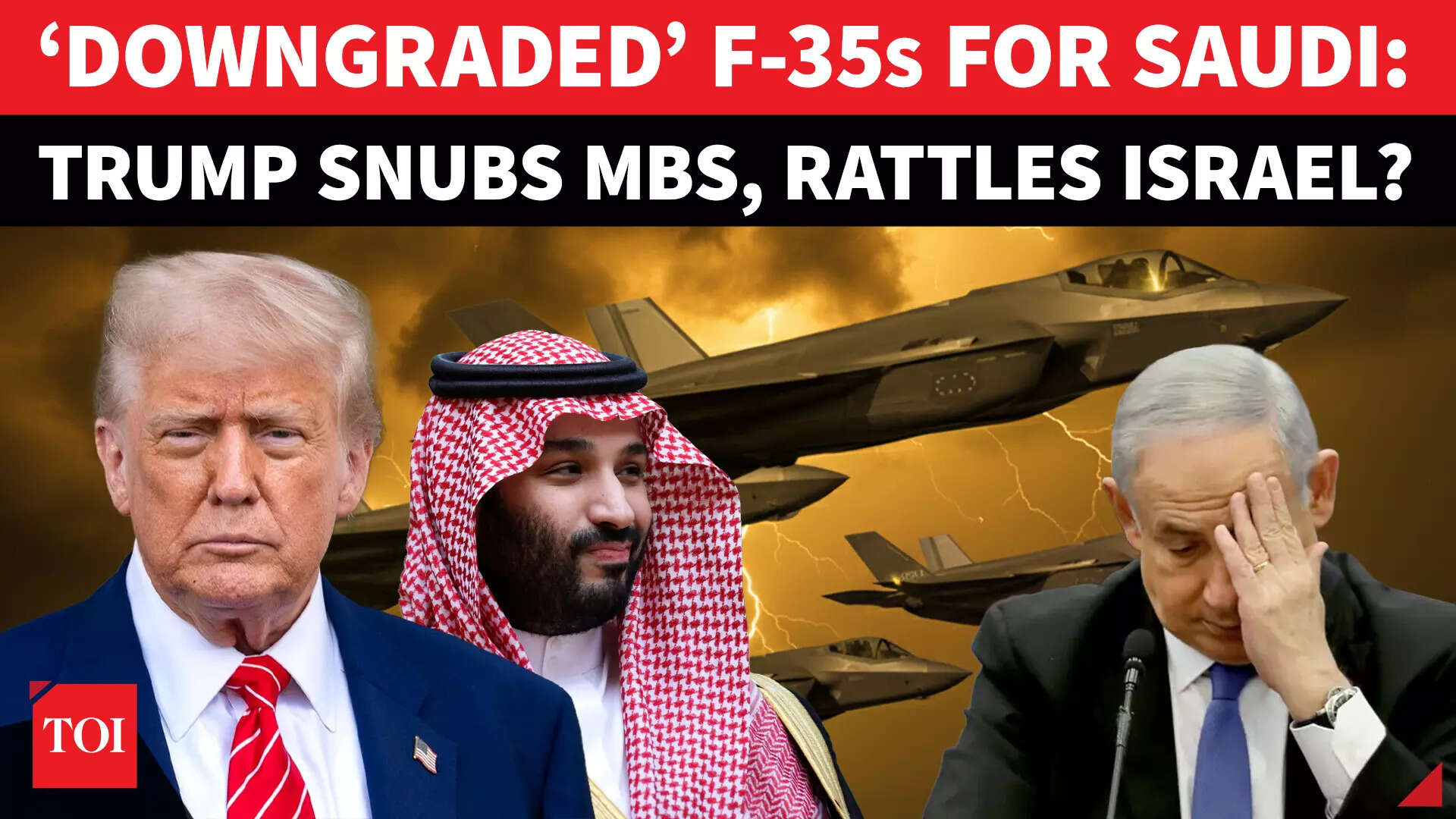
The approval of a significant defense deal by U.S. President Donald Trump to supply F-35 stealth fighter jets to Saudi Arabia is set to reshape the air power dynamics in the Middle East. The deal, which allows Saudi Arabia to acquire up to two squadrons of F-35 jets, has raised concerns in Israel, the only country in the region currently operating these advanced aircraft. Experts indicate that even with downgraded capabilities compared to Israel’s F-35I “Adir” fleet, this acquisition could diminish Israel’s strategic military advantage, which has been a cornerstone of U.S. foreign policy in the region.
The F-35 fighter jets, renowned for their stealth technology and advanced combat capabilities, represent a critical component of modern military aviation. While Saudi Arabia’s version of the aircraft will likely have reduced functionality, the mere presence of F-35s in the Saudi arsenal is expected to alter regional power balances. This shift comes at a time when tensions in the Middle East remain high, and military capabilities are a focal point of national security.
Concerns Over Strategic Balance
Israeli officials have expressed serious concerns regarding the implications of this deal. The acquisition of F-35s by Saudi Arabia could potentially allow the nation to project greater military power, thereby challenging Israel’s longstanding air superiority. According to Israeli defense analysts, the introduction of these aircraft—even in a limited capacity—could embolden Saudi Arabia and impact the qualitative military edge that Israel has maintained, as stipulated by U.S. law.
The U.S. has historically provided military aid to Israel to ensure its security in a volatile region. The introduction of advanced weaponry to other regional players complicates this equation, leading to fears that Israel’s security might be compromised. The Israeli government has previously voiced its opposition to arms sales that could enhance the military capabilities of neighboring countries, especially those with which it has had strained relations.
The Broader Implications for Regional Security
The decision to provide F-35s to Saudi Arabia is also seen as part of a larger strategy by the U.S. to strengthen its alliances in the Middle East amid increasing Iranian influence. As regional dynamics continue to evolve, the U.S. aims to bolster the capabilities of its allies to counter perceived threats. However, this strategy raises questions about the long-term implications for peace and stability in the region.
The deal is expected to be finalized in the coming months, with detailed discussions regarding the specific configurations of the jets and training for Saudi pilots. While the reduced capabilities of the Saudi F-35s will limit their effectiveness compared to Israel’s advanced fleet, the psychological impact of this military asset cannot be understated. The presence of F-35s could enhance Saudi Arabia’s deterrent capabilities and alter the strategic calculus for Israel.
As the situation develops, the focus will remain on how both nations adapt to these changes and the broader implications for Middle Eastern geopolitics. The balance of air power, once firmly rooted in Israel’s technological advantages, now faces new challenges as Saudi Arabia prepares to join the ranks of advanced military aviation.

Jammu IGP Bhim Sen Tuti Reviews Emergency Response System

CHRIST University Launches Centre for Advanced Quantum Research

Tennis Stars Gear Up for 2026 Season with Intense Off-Season Training

Christian Group Disrupts Sikh Parade in South Auckland, NZ

Security Forces Disrupt Major Maoist Conspiracy in Chhattisgarh

Protesters Disrupt Sikh Parade in South Auckland with Haka

Agnikul Cosmos Successfully Tests 3D Printed Agnilet Engines

India Debuts Vaishnavi Sharma in First T20I Against Sri Lanka

Bangladesh Unrest Sparks Concerns Over Rohingya Infiltration into India

SBI Announces QIP Floor Price at ₹811.05 Per Share

Cept Unveils ₹3.1 Crore Urban Mobility Plan for Sustainable Growth

New Blood Group Discovered in South Indian Woman at Rotary Centre

Torrential Rains Cause Flash Flooding in New York and New Jersey

Konkani Cultural Organisation to Host Pearl Jubilee in Abu Dhabi

Nothing Headphone 1 Review: A Bold Contender in Audio Design

Broad Advocates for Bowling Change Ahead of Final Test Against India

Air India Crash Investigation Highlights Boeing Fuel Switch Concerns

Indian Stock Market Rebounds: Sensex and Nifty Rise After Four-Day Decline
-
 World5 months ago
SBI Announces QIP Floor Price at ₹811.05 Per Share
-
 Lifestyle5 months ago
Cept Unveils ₹3.1 Crore Urban Mobility Plan for Sustainable Growth
-
 Science5 months ago
New Blood Group Discovered in South Indian Woman at Rotary Centre
-
 World5 months ago
Torrential Rains Cause Flash Flooding in New York and New Jersey
-
 Top Stories5 months ago
Konkani Cultural Organisation to Host Pearl Jubilee in Abu Dhabi
-
 Science5 months ago
Nothing Headphone 1 Review: A Bold Contender in Audio Design
-
 Sports5 months ago
Broad Advocates for Bowling Change Ahead of Final Test Against India
-
 Top Stories5 months ago
Air India Crash Investigation Highlights Boeing Fuel Switch Concerns
-
 Business5 months ago
Indian Stock Market Rebounds: Sensex and Nifty Rise After Four-Day Decline
-

 Sports5 months ago
Cristian Totti Retires at 19: Pressure of Fame Takes Toll
-

 Politics5 months ago
Abandoned Doberman Finds New Home After Journey to Prague
-

 Top Stories5 months ago
Patna Bank Manager Abhishek Varun Found Dead in Well