
Health
Experts Challenge Kennedy’s Shift on Saturated Fats Guidelines

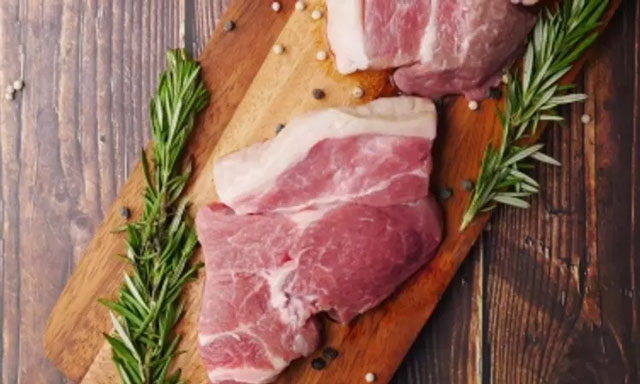
US Health Secretary Robert F. Kennedy Jr. has ignited a debate over dietary advice regarding saturated fats. His recent statements suggest a potential shift in long-standing guidelines, challenging decades of nutritional science that cautions against high consumption of these fats. Kennedy’s remarks, supported by some federal health officials and advocates of the Make America Healthy Again (MAHA) movement, claim that saturated fats have been unjustly vilified and that current evidence on their harmful effects is inadequate.
The next edition of the Dietary Guidelines for Americans, anticipated in early 2026, may emphasize the need to include saturated fats in diets, marking a significant deviation from established recommendations. Traditionally, saturated fats are linked to foods such as red meat, full-fat dairy, and fried items, which have been associated with increased cholesterol levels and a higher risk of cardiovascular disease.
Scientific Consensus on Saturated Fats
Nutrition experts emphasize that fats are categorized into saturated and unsaturated types based on their molecular structure. Saturated fats, typically solid at room temperature, are primarily found in animal products and certain oils, while unsaturated fats, usually liquid, are abundant in fish, nuts, and plant-based oils.
Since the 1950s, numerous studies have shown cardiovascular benefits from limiting saturated fat intake. Kevin Klatt, an assistant professor of nutritional sciences at the University of Toronto, highlighted early clinical trials indicating that substituting saturated fats with unsaturated fats led to lower cholesterol levels. Observational studies from the same era noted that individuals consuming less saturated fat had lower rates of coronary heart disease.
Dr. Deirdre K. Tobias, an epidemiologist at Brigham and Women’s Hospital in Boston, reiterated that extensive research has consistently linked high saturated fat intake to increased levels of LDL cholesterol, which elevates the risk of heart attacks and strokes. Long-term studies have further connected lower saturated fat consumption and higher unsaturated fat intake with reduced rates of heart disease and premature death.
Disputed Claims and Public Health Concerns
Supporters of the MAHA movement argue that human diets evolved to include more animal fats and that the rise of seed oils, such as soybean and canola oils, has contributed to contemporary health issues. Yet, leading nutrition scientists strongly dispute these assertions. Walter Willett, a professor of epidemiology and nutrition at Harvard’s TH Chan School of Public Health, stated, “There is no evidence that seed oils are harmful, or that saturated fats are beneficial.” He noted that replacing saturated fats with unsaturated fats is a likely factor in the approximately 75 percent decline in cardiovascular disease deaths since the 1950s.
Prof. Alice H. Lichtenstein of Tufts University echoed Willett’s sentiments, asserting that there is broad scientific agreement on the health benefits of substituting saturated fats with healthier unsaturated options. She suggested that dietary guidelines should prioritize healthy replacements rather than merely restricting specific types of fats.
Experts caution that promoting increased consumption of saturated fats could lead to dire public health repercussions. Willett warned, “If new guidelines promote eating more saturated fats, it could worsen Americans’ health and lead to a rise in cardiovascular disease.”
To mitigate risks, nutritionists recommend prioritizing unsaturated fats by opting for oils like olive, soybean, or canola instead of butter, choosing fish over red and processed meats, and incorporating nuts, seeds, fruits, vegetables, whole grains, and legumes into daily diets. Experts advocate for a plant-forward diet rich in healthy fats, emphasizing that the scientific consensus on the dangers of saturated fats remains unchanged despite the current political discourse.

Elon Musk Critiques Canadian Healthcare After Death of Accountant

Hyderabad to Introduce 2,000 Electric Buses to Cut Emissions

Vizianagaram’s Real Estate Market Surges Amid Tech Growth

BTS RM Makes Heartfelt Plea for Kindness in 2026

Andhra Pradesh’s Food Testing Laboratory Set to Open in January 2026

Adani Group to Invest ₹1.8 Trillion in Defense Sector Expansion

Khaleda Zia Faces Critical Health Challenges in Dhaka Hospital

Uttar Pradesh’s New Act Aims to Combat Corruption in Rural Employment

MoCA Establishes 24/7 Control Room in Delhi to Enhance Passenger Support

SBI Announces QIP Floor Price at ₹811.05 Per Share

Cept Unveils ₹3.1 Crore Urban Mobility Plan for Sustainable Growth

New Blood Group Discovered in South Indian Woman at Rotary Centre

Torrential Rains Cause Flash Flooding in New York and New Jersey

Konkani Cultural Organisation to Host Pearl Jubilee in Abu Dhabi

Nothing Headphone 1 Review: A Bold Contender in Audio Design

Broad Advocates for Bowling Change Ahead of Final Test Against India

Air India Crash Investigation Highlights Boeing Fuel Switch Concerns

Indian Stock Market Rebounds: Sensex and Nifty Rise After Four-Day Decline
-
 World6 months ago
SBI Announces QIP Floor Price at ₹811.05 Per Share
-
 Lifestyle6 months ago
Cept Unveils ₹3.1 Crore Urban Mobility Plan for Sustainable Growth
-
 Science5 months ago
New Blood Group Discovered in South Indian Woman at Rotary Centre
-
 World6 months ago
Torrential Rains Cause Flash Flooding in New York and New Jersey
-
 Top Stories6 months ago
Konkani Cultural Organisation to Host Pearl Jubilee in Abu Dhabi
-
 Science6 months ago
Nothing Headphone 1 Review: A Bold Contender in Audio Design
-
 Sports5 months ago
Broad Advocates for Bowling Change Ahead of Final Test Against India
-
 Top Stories6 months ago
Air India Crash Investigation Highlights Boeing Fuel Switch Concerns
-
 Business6 months ago
Indian Stock Market Rebounds: Sensex and Nifty Rise After Four-Day Decline
-

 Sports5 months ago
Cristian Totti Retires at 19: Pressure of Fame Takes Toll
-

 Politics5 months ago
Abandoned Doberman Finds New Home After Journey to Prague
-

 Top Stories6 months ago
Patna Bank Manager Abhishek Varun Found Dead in Well