
Top Stories
Concerns Raised Over Uranium Detection in Breast Milk from Bihar

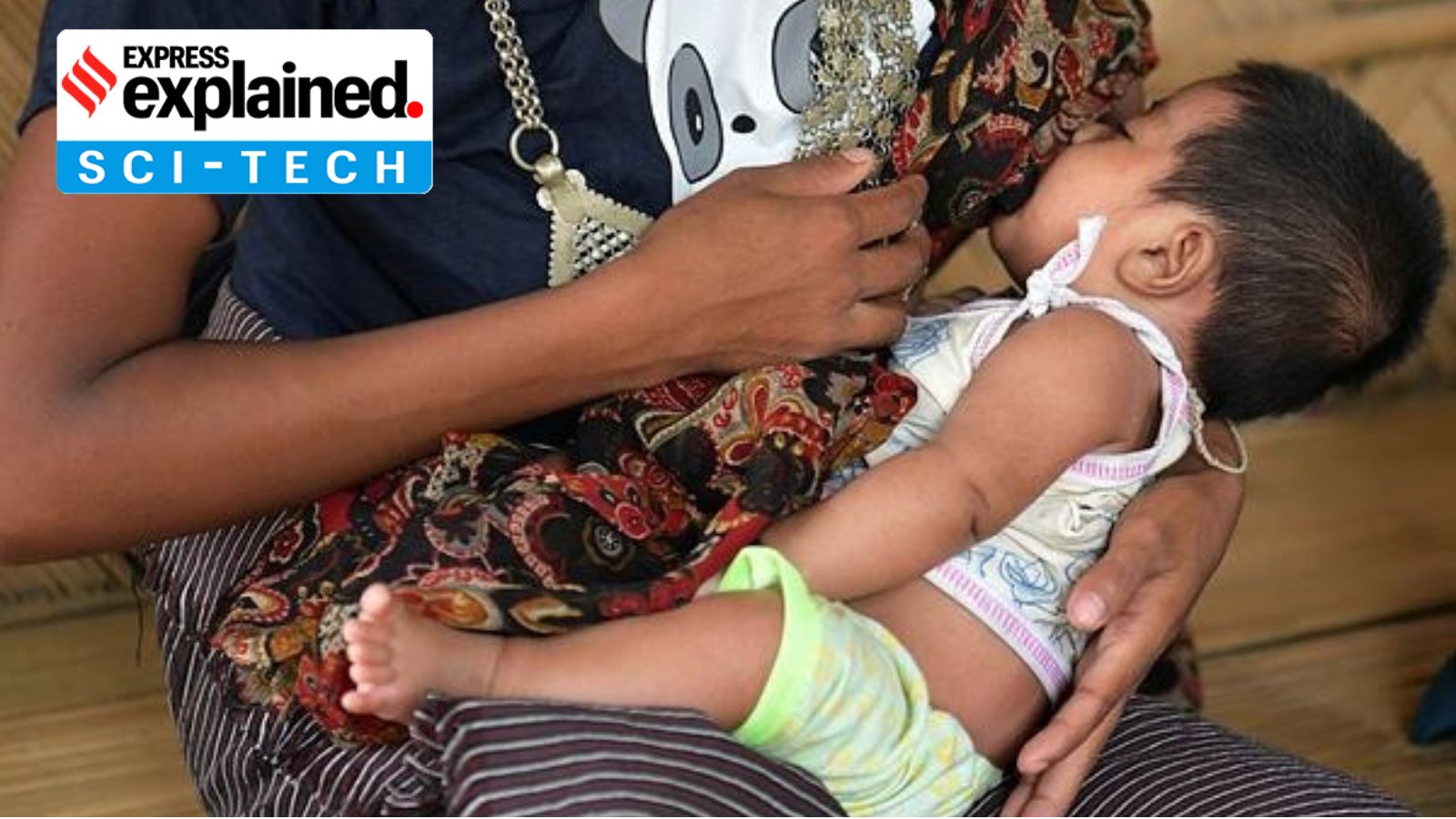
A recent study has sparked concerns regarding the presence of uranium in the breast milk of lactating mothers in Bihar, India. Published on March 15, 2024, in the open-access journal Scientific Reports, the research revealed detectable levels of uranium in 40 samples collected from mothers in the region. Researchers from the Mahavir Cancer Sansthan and Research Centre, Lovely Professional University, and AIIMS-New Delhi reported that approximately 70% of the infants assessed may have been exposed to uranium levels that could lead to non-carcinogenic health issues, including potential damage to kidneys and bones.
The findings have raised alarms about the safety of breastfeeding, prompting responses from health experts. Dr. Arun Gupta, founder of the Breastfeeding Promotion Network of India, expressed concern that these results could instill unnecessary fears among parents. He stated, “This is leading to unnecessary fears and may deter people from breastfeeding, which we have been working to promote for years because it is the best nutrition for the babies. It also protects the babies from infections.”
Despite the alarming headlines, many experts assert that the detected levels of uranium are not significant. They emphasize that no adverse health effects have been documented in the population over time. Additionally, the methodology employed in the study has come under scrutiny.
Understanding Uranium and Its Presence in Breast Milk
According to Dr. Dinesh K. Aswal, former group director of the Bhabha Atomic Research Centre, uranium is naturally occurring and found in trace amounts in various environmental sources, including groundwater. He explained, “Uranium is a heavy element and does not bind with the tissues of the body, so any uranium you consume will likely be flushed out in a very short time.”
The World Health Organization (WHO) has noted that the average human body contains about 90 micrograms of uranium from normal dietary intake. The organization also sets a permissible limit of 30 μg/L for uranium in drinking water. In Finland, where naturally high levels of uranium exist, the limit is set at 100 μg/L. In comparison, the levels found in this study were below these thresholds.
The highest concentration of uranium detected in the breast milk samples was 5.25 micrograms per litre from Katihar, while Nalanda showed the lowest at 2.35 micrograms per litre. Interestingly, while the researchers initially labeled the exposure levels as “hazardous,” they later concluded that the concentrations were below permissible limits, thus posing minimal health risks.
Critiques of the Research Methodology
Several discrepancies in the study have raised questions among experts. For one, it was noted that the levels of uranium did not significantly correlate with age, suggesting that prolonged exposure to uranium in groundwater does not necessarily result in increased uranium levels in breast milk. Additionally, the research indicated minimal bioaccumulation of uranium in breast milk.
Another point of contention is the lack of correlation between uranium levels in local groundwater and those found in breast milk. The researchers analyzed 273 groundwater samples and discovered that the second-highest level of 77 μg/L was in Nalanda, where breast milk samples showed the lowest uranium concentration.
Moreover, several experts, including Dr. Ashok Sharma, coauthor of the study and Additional Professor at AIIMS New Delhi, acknowledged that the study failed to monitor children for any health impacts. “No child-health monitoring was done during the study because contamination was discovered only after data analysis,” he said.
Concerns were also raised regarding the calibration of the instruments used to detect uranium. Dr. Aswal pointed out that the equipment was not calibrated to accurately measure levels as low as 5 μg/L. He stated, “How did they detect 5 μg/L then? It’s like going to the sweet shop and asking them to measure the weight of your jewellery.”
The small sample size of only 40 breast milk samples was also criticized for being statistically insignificant to draw definitive conclusions about regional contamination levels.
As the discussion continues, the implications of this study on public health and breastfeeding practices remain uncertain. Experts advocate for a balanced understanding of the risks associated with uranium exposure while reinforcing the importance of breastfeeding as a vital source of nutrition for infants.

Voter Roll Overhaul Sparks Crisis as BLOs Face Heavy Strain

India Takes Steps to Boost Rare-Earth Magnet Production Amid Dependency

Washington Sundar Struggles at No. 5 in India’s ODI Loss to South Africa

Malaysia’s Anwar Ibrahim Rules Out Major Cabinet Shake-Up

Election Commission Faces Backlash Over Stressful Voter Roll Revisions

Elon Musk Envisions Future Where Money Loses Its Power

Nitesh Rane Critiques Eknath Shinde Amid Rival Campaigning

India Can Lead Global HIV Response as New Treatments Emerge

WNBA and Players Association Extend CBA Negotiations Until January 9

SBI Announces QIP Floor Price at ₹811.05 Per Share

Cept Unveils ₹3.1 Crore Urban Mobility Plan for Sustainable Growth

New Blood Group Discovered in South Indian Woman at Rotary Centre

Torrential Rains Cause Flash Flooding in New York and New Jersey

Konkani Cultural Organisation to Host Pearl Jubilee in Abu Dhabi

Broad Advocates for Bowling Change Ahead of Final Test Against India

Nothing Headphone 1 Review: A Bold Contender in Audio Design

Air India Crash Investigation Highlights Boeing Fuel Switch Concerns

Indian Stock Market Rebounds: Sensex and Nifty Rise After Four-Day Decline
-
 World5 months ago
SBI Announces QIP Floor Price at ₹811.05 Per Share
-
 Lifestyle5 months ago
Cept Unveils ₹3.1 Crore Urban Mobility Plan for Sustainable Growth
-
 Science4 months ago
New Blood Group Discovered in South Indian Woman at Rotary Centre
-
 World5 months ago
Torrential Rains Cause Flash Flooding in New York and New Jersey
-
 Top Stories5 months ago
Konkani Cultural Organisation to Host Pearl Jubilee in Abu Dhabi
-
 Sports4 months ago
Broad Advocates for Bowling Change Ahead of Final Test Against India
-
 Science5 months ago
Nothing Headphone 1 Review: A Bold Contender in Audio Design
-
 Top Stories5 months ago
Air India Crash Investigation Highlights Boeing Fuel Switch Concerns
-
 Business5 months ago
Indian Stock Market Rebounds: Sensex and Nifty Rise After Four-Day Decline
-

 Sports4 months ago
Cristian Totti Retires at 19: Pressure of Fame Takes Toll
-

 Politics5 months ago
Abandoned Doberman Finds New Home After Journey to Prague
-

 Top Stories5 months ago
Patna Bank Manager Abhishek Varun Found Dead in Well