
Top Stories
CAQM Bans Petrol and Diesel Vehicles in Delhi-NCR by 2026

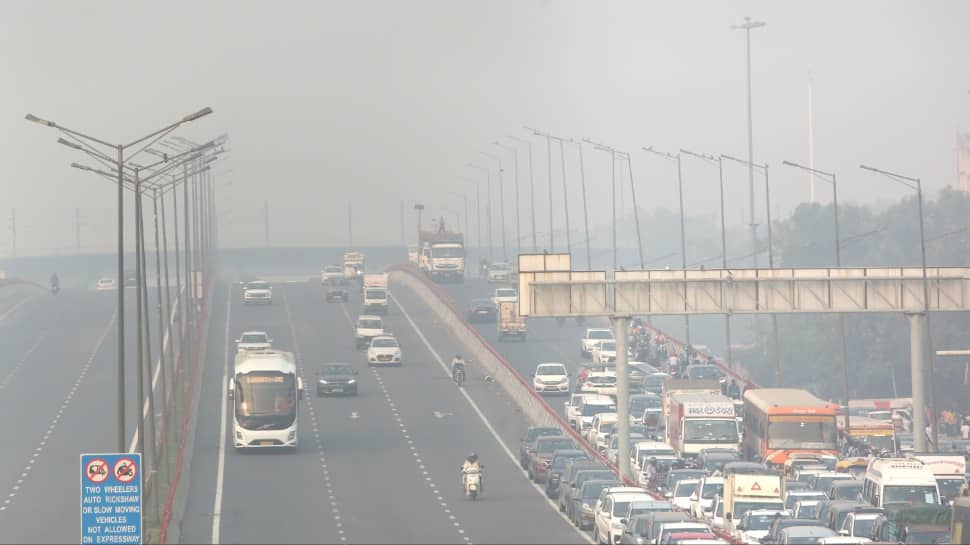
The Commission for Air Quality Management (CAQM) has announced a significant ban on petrol and diesel vehicles in commercial fleets across the Delhi-NCR region, set to take effect on January 1, 2026. This decision aims to address the alarmingly high levels of air pollution, as the region’s Air Quality Index (AQI) consistently remains above 400, categorizing the air quality as ‘Severe’ and posing serious health risks to the public.
New Regulations for Delivery Fleets
Under the new directive, cab aggregators, e-commerce firms, and delivery companies will be required to transition their fleets to either compressed natural gas (CNG) or electric vehicles. This shift is particularly crucial for commercial vehicles, which are recognized as a major contributor to the region’s pollution levels due to their extensive daily operation. The CAQM has clarified that the ban applies specifically to the induction of new petrol or diesel vehicles into these commercial fleets.
The Assistant Regional Transport Office (ARTO) has engaged in discussions with leading e-commerce representatives, emphasizing that the January 2026 deadline is final and non-negotiable. This directive will directly impact numerous delivery partners and major companies that rely on last-mile delivery services in the region.
Major Companies Affected
Companies such as Swiggy, Zomato, Amazon, and Flipkart will need to accelerate their fleet transformations to comply with the new regulations. The permitted vehicles for delivery operations will include CNG bikes and scooters, electric two-wheelers, CNG and electric three-wheelers, as well as small electric commercial vehicles.
Enhanced Graded Response Action Plan
In conjunction with the vehicle ban, the CAQM has introduced a more rigorous implementation of the Graded Response Action Plan (GRAP). The organization will now enforce stricter measures at lower AQI thresholds based on scientific data and previous experiences. For instance, regulations previously applicable under GRAP-2 will now be enforced under the more stringent GRAP-1.
One notable change is the adjustment of the work-from-home directive for government, private, and municipal offices. This directive will now activate when the AQI reaches between 401 and 450, a significant decrease from the previous threshold of 450+. This adjustment reflects a growing urgency to address hazardous air quality and is likely to influence the central government’s policies for its employees as well.
As the region grapples with persistent air quality challenges, these measures signify a strong commitment to improving public health and promoting cleaner, sustainable transportation solutions. The CAQM’s decision underscores the need for immediate action in response to the ongoing environmental crisis in the Delhi-NCR area.

Swiss Voters Reject Hefty Inheritance Tax Amid Public Opposition

Archaeologists Uncover 2,000-Year-Old Papyrus in Egyptian Coffin

Bijan Robinson Dominates Week 13, Davante Adams Sets New Record

Stockton Mass Shooting Claims Four Lives; Mayor Issues Stark Warning

Health Insights for December 1, 2025: Wellness Predictions for All Signs

Indian Government Supports Air Passengers in ₹50,000 Crore Suit

Shehbaz Badesha Eliminated from Bigg Boss 19; Amaal Mallik Reacts

India to Introduce New Cess on Tobacco and Pan Masala Products

Ram Kamal Mukherjee Celebrates Cinema at IFFI 2025

SBI Announces QIP Floor Price at ₹811.05 Per Share

Cept Unveils ₹3.1 Crore Urban Mobility Plan for Sustainable Growth

New Blood Group Discovered in South Indian Woman at Rotary Centre

Torrential Rains Cause Flash Flooding in New York and New Jersey

Konkani Cultural Organisation to Host Pearl Jubilee in Abu Dhabi

Broad Advocates for Bowling Change Ahead of Final Test Against India

Nothing Headphone 1 Review: A Bold Contender in Audio Design

Air India Crash Investigation Highlights Boeing Fuel Switch Concerns

Indian Stock Market Rebounds: Sensex and Nifty Rise After Four-Day Decline
-
 World5 months ago
SBI Announces QIP Floor Price at ₹811.05 Per Share
-
 Lifestyle5 months ago
Cept Unveils ₹3.1 Crore Urban Mobility Plan for Sustainable Growth
-
 Science4 months ago
New Blood Group Discovered in South Indian Woman at Rotary Centre
-
 World5 months ago
Torrential Rains Cause Flash Flooding in New York and New Jersey
-
 Top Stories5 months ago
Konkani Cultural Organisation to Host Pearl Jubilee in Abu Dhabi
-
 Sports4 months ago
Broad Advocates for Bowling Change Ahead of Final Test Against India
-
 Science5 months ago
Nothing Headphone 1 Review: A Bold Contender in Audio Design
-
 Top Stories5 months ago
Air India Crash Investigation Highlights Boeing Fuel Switch Concerns
-
 Business5 months ago
Indian Stock Market Rebounds: Sensex and Nifty Rise After Four-Day Decline
-

 Sports4 months ago
Cristian Totti Retires at 19: Pressure of Fame Takes Toll
-

 Politics5 months ago
Abandoned Doberman Finds New Home After Journey to Prague
-

 Top Stories5 months ago
Patna Bank Manager Abhishek Varun Found Dead in Well