
Science
Five Must-Read Science Fiction Novels That Challenge Humanity

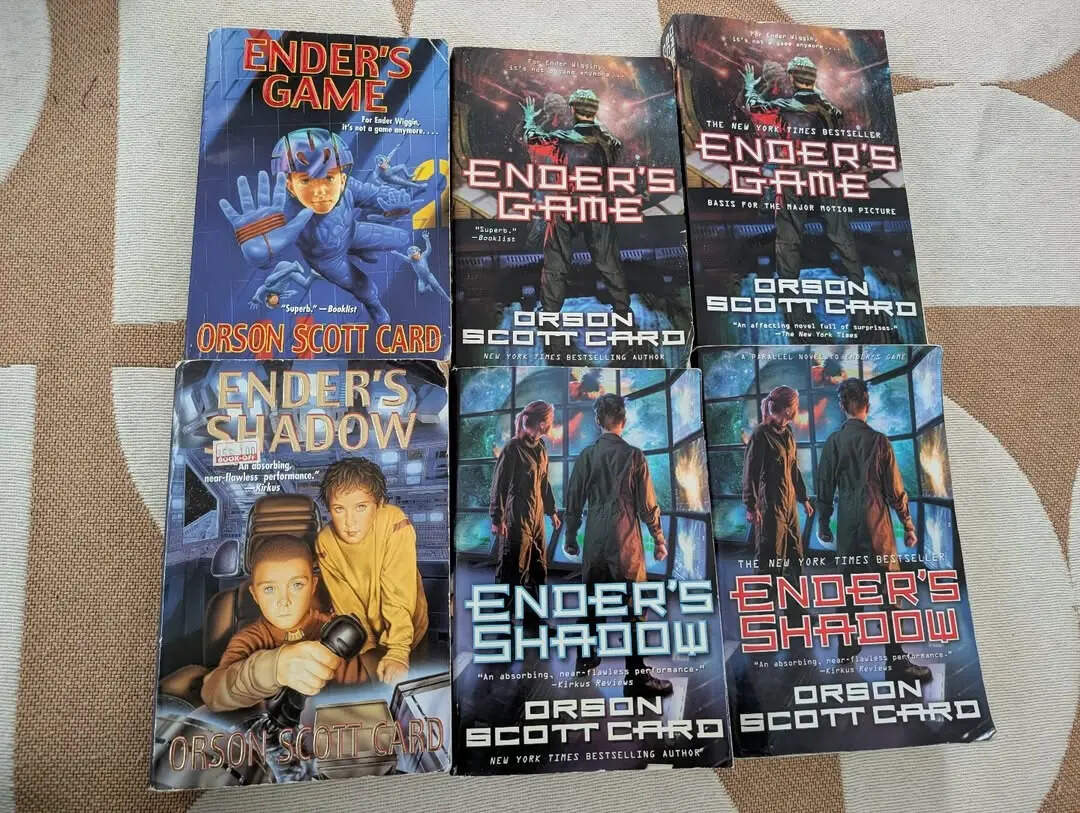
Science fiction literature serves as a profound lens through which we can examine the complexities of human nature and societal issues. Five notable novels stand out for their ability to not only entertain but also provide critical commentary on the potential dark paths humanity may tread as technology and society evolve. These works reflect concerns that resonate strongly in today’s world, offering insights that are both cautionary and reflective.
Exploring Human Nature Through Fiction
Orson Scott Card‘s “Ender’s Game” introduces readers to a young prodigy trained at a military academy to lead Earth’s forces against an alien threat. As he navigates increasingly complex war games, which ultimately turn into real battles, the novel delves into the ethics surrounding the use of children as instruments of war. Card’s narrative raises unsettling questions about manipulation, the morality of xenocide, and the exploitation of youth in conflict. The themes of leadership and the psychological costs of warfare are as relevant today as they were when the book was first published in 1985.
In a different vein, H.G. Wells‘ classic “The Time Machine” presents a Victorian inventor who travels far into the future, encountering two distinct species that emerge from humanity’s class divisions. The childlike Eloi and the predatory Morlocks serve as a critique of social stratification, suggesting that extreme inequality can lead to catastrophic outcomes. Wells’s 1895 novel foreshadows contemporary anxieties about class conflict and the potential consequences of technological advancements that exacerbate social divides.
Michael Crichton‘s 1990 work, “Jurassic Park,” portrays the dangers of scientific hubris through the story of scientists who clone dinosaurs to create a theme park. The narrative underscores the unpredictability of complex systems and the pitfalls of corporate-driven science. Crichton warns against the overconfidence in controlling nature through technology, a theme that has grown increasingly pertinent as discussions surrounding genetic manipulation and corporate ethics continue to evolve.
Confronting History and Its Impact
The Strugatsky brothers, Arkady and Boris Strugatsky, explore humanity’s reaction to the unknown in “Roadside Picnic.” This novel imagines a world where aliens leave behind hazardous zones filled with inexplicable artifacts. Rather than focusing on the encounter with extraterrestrial beings, the story examines how society grapples with incomprehensible power. It critiques exploitation and highlights the moral ambiguities faced by those drawn to the potential benefits and dangers of advanced technology. The narrative anticipates modern fears surrounding technology and knowledge that society struggles to comprehend.
Finally, Octavia E. Butler‘s “Kindred” intertwines time travel with the historical legacy of slavery. The protagonist, a young Black woman in 1976, is repeatedly drawn back to the antebellum South, forced to confront her ancestry and the brutal realities of her heritage. Butler’s powerful exploration of power dynamics, trauma, and survival challenges readers to reflect on the lasting impact of history on identity. This novel remains a poignant inquiry into the complexities of memory and the echoes of oppression.
These five novels exemplify how science fiction can act as a mirror to society, reflecting the fears and possibilities that lie within human nature. As we navigate a world increasingly defined by technological advancements and social upheaval, the cautionary tales presented in these works resonate more than ever. Authors like Card, Wells, Crichton, the Strugatsky brothers, and Butler did not merely predict technological futures; they articulated timeless truths about humanity’s capacity for both creation and destruction.
As contemporary issues such as climate change, social inequality, and ethical dilemmas in technology continue to unfold, these fictional narratives serve as critical reflections on the paths we may choose. In essence, they remind us that while technology evolves, our fundamental struggles and moral questions remain consistent.

Swiss Voters Reject Hefty Inheritance Tax Amid Public Opposition

Archaeologists Uncover 2,000-Year-Old Papyrus in Egyptian Coffin

Bijan Robinson Dominates Week 13, Davante Adams Sets New Record

Stockton Mass Shooting Claims Four Lives; Mayor Issues Stark Warning

Health Insights for December 1, 2025: Wellness Predictions for All Signs

Indian Government Supports Air Passengers in ₹50,000 Crore Suit

Shehbaz Badesha Eliminated from Bigg Boss 19; Amaal Mallik Reacts

India to Introduce New Cess on Tobacco and Pan Masala Products

Ram Kamal Mukherjee Celebrates Cinema at IFFI 2025

SBI Announces QIP Floor Price at ₹811.05 Per Share

Cept Unveils ₹3.1 Crore Urban Mobility Plan for Sustainable Growth

New Blood Group Discovered in South Indian Woman at Rotary Centre

Torrential Rains Cause Flash Flooding in New York and New Jersey

Konkani Cultural Organisation to Host Pearl Jubilee in Abu Dhabi

Broad Advocates for Bowling Change Ahead of Final Test Against India

Nothing Headphone 1 Review: A Bold Contender in Audio Design

Air India Crash Investigation Highlights Boeing Fuel Switch Concerns

Indian Stock Market Rebounds: Sensex and Nifty Rise After Four-Day Decline
-
 World5 months ago
SBI Announces QIP Floor Price at ₹811.05 Per Share
-
 Lifestyle5 months ago
Cept Unveils ₹3.1 Crore Urban Mobility Plan for Sustainable Growth
-
 Science4 months ago
New Blood Group Discovered in South Indian Woman at Rotary Centre
-
 World5 months ago
Torrential Rains Cause Flash Flooding in New York and New Jersey
-
 Top Stories5 months ago
Konkani Cultural Organisation to Host Pearl Jubilee in Abu Dhabi
-
 Sports4 months ago
Broad Advocates for Bowling Change Ahead of Final Test Against India
-
 Science5 months ago
Nothing Headphone 1 Review: A Bold Contender in Audio Design
-
 Top Stories5 months ago
Air India Crash Investigation Highlights Boeing Fuel Switch Concerns
-
 Business5 months ago
Indian Stock Market Rebounds: Sensex and Nifty Rise After Four-Day Decline
-

 Sports4 months ago
Cristian Totti Retires at 19: Pressure of Fame Takes Toll
-

 Politics5 months ago
Abandoned Doberman Finds New Home After Journey to Prague
-

 Top Stories5 months ago
Patna Bank Manager Abhishek Varun Found Dead in Well