
Science
Bengaluru’s Hidden Geological Treasure: A 3.4-Billion-Year-Old Rock

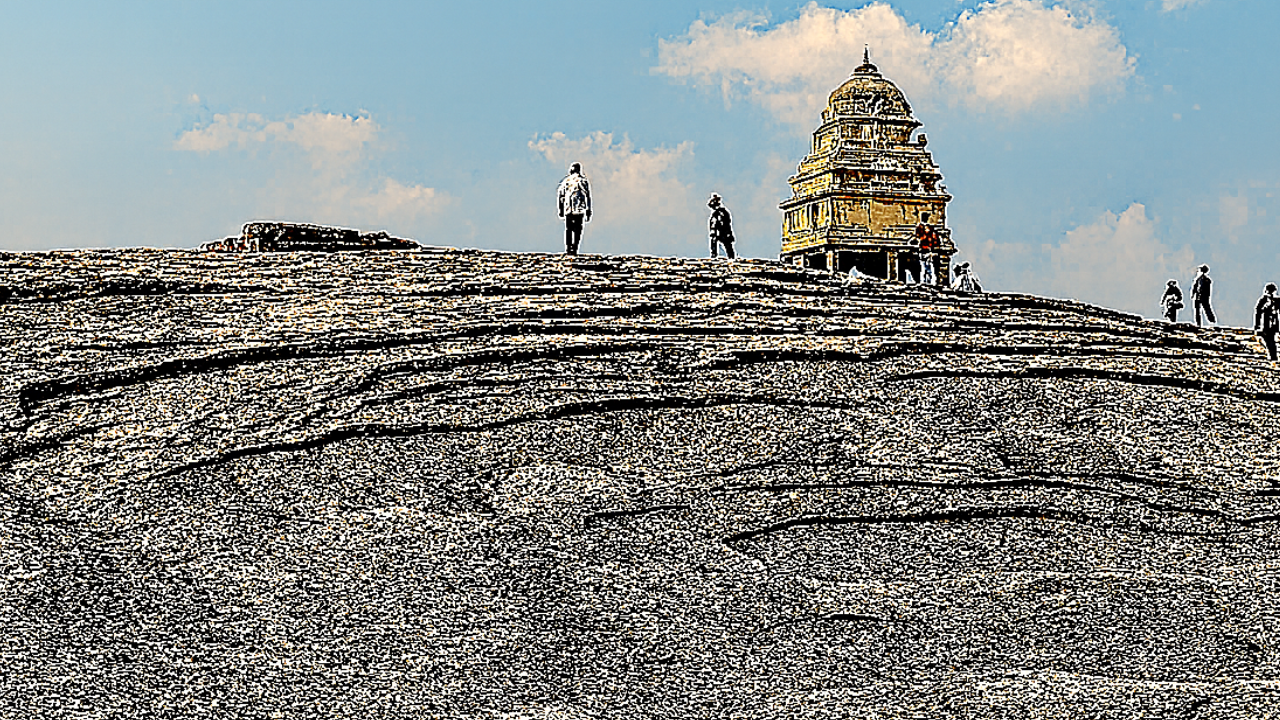
Bengaluru, often celebrated as India’s tech capital, conceals an extraordinary geological formation within its urban landscape. The Peninsular Gneiss, estimated to be around 3.4 billion years old, is one of the oldest exposed rock formations on Earth. This ancient relic, hidden in the bustling city, provides a glimpse into the planet’s early history, long before life as we know it began to flourish.
An Ancient Formation in a Modern City
The Peninsular Gneiss predates dinosaurs, the Himalayas, and even the continents themselves. Formed during the Archaean Eon, this rock complex solidified when the early Earth was still undergoing significant transformations. According to the Geological Survey of India, the formation consists of a mix of metamorphic and igneous rocks that developed under intense heat and pressure deep within the Earth’s crust.
Visitors do not need to venture into remote areas to witness this geological marvel. The rock formation is situated in the heart of the Lalbagh Botanical Garden, a sprawling 240-acre garden that serves as a green oasis in Bengaluru. Here, the Peninsular Gneiss rises prominently as a solid, striated hillock, inviting exploration and curiosity from visitors.
Significance and Heritage
Known locally as Lalbagh Rock, the formation is recognized as a National Geological Monument by the Geological Survey of India, marking it as one of the few designated sites of its kind in the country. Atop the rock, a historic Kempegowda watchtower, dating back to the 16th century, offers panoramic views of the city and serves as a reminder of Bengaluru’s rich past.
The scientific importance of the Peninsular Gneiss is immense. As one of the best-exposed ancient rock masses in India, it provides invaluable insights for geologists studying the formation and stabilization of the Earth’s early crust. Few locations on the planet allow visitors to walk on such ancient crustal fragments, making it a unique experience for those who venture to Lalbagh.
In an age where urban development often overshadows natural wonders, the Peninsular Gneiss stands as a silent witness to the Earth’s history, inviting both locals and tourists to appreciate the geological marvels that lie beneath their feet. This ancient formation not only enhances the cultural landscape of Bengaluru but also serves as a critical resource for scientific research, bridging the gap between ancient Earth and modern civilization.

Delhi High Court Orders Action on Pawan Kalyan’s Rights Plea

Bengaluru’s Hidden Geological Treasure: A 3.4-Billion-Year-Old Rock

Vinesh Phogat Makes Comeback, Aims for 2028 Olympics Glory

Bulgaria Faces Political Turmoil as Prime Minister Resigns Amid Protests

Holy Cross Church Celebrates 148th Founder’s Day with Mass and Fellowship

Tulu Film ‘Devdas Na Leela’ Launches with Motion Poster Release

Discover How Bathroom Water Softeners Transform Skin and Hair

Maharashtra CM Fadnavis Pays Tribute to Shivraj Patil, 90

US Expands Sanctions on Maduro’s Nephews and Business Associates

SBI Announces QIP Floor Price at ₹811.05 Per Share

Cept Unveils ₹3.1 Crore Urban Mobility Plan for Sustainable Growth

New Blood Group Discovered in South Indian Woman at Rotary Centre

Torrential Rains Cause Flash Flooding in New York and New Jersey

Konkani Cultural Organisation to Host Pearl Jubilee in Abu Dhabi

Broad Advocates for Bowling Change Ahead of Final Test Against India

Nothing Headphone 1 Review: A Bold Contender in Audio Design

Air India Crash Investigation Highlights Boeing Fuel Switch Concerns

Indian Stock Market Rebounds: Sensex and Nifty Rise After Four-Day Decline
-
 World5 months ago
SBI Announces QIP Floor Price at ₹811.05 Per Share
-
 Lifestyle5 months ago
Cept Unveils ₹3.1 Crore Urban Mobility Plan for Sustainable Growth
-
 Science5 months ago
New Blood Group Discovered in South Indian Woman at Rotary Centre
-
 World5 months ago
Torrential Rains Cause Flash Flooding in New York and New Jersey
-
 Top Stories5 months ago
Konkani Cultural Organisation to Host Pearl Jubilee in Abu Dhabi
-
 Sports5 months ago
Broad Advocates for Bowling Change Ahead of Final Test Against India
-
 Science5 months ago
Nothing Headphone 1 Review: A Bold Contender in Audio Design
-
 Top Stories5 months ago
Air India Crash Investigation Highlights Boeing Fuel Switch Concerns
-
 Business5 months ago
Indian Stock Market Rebounds: Sensex and Nifty Rise After Four-Day Decline
-

 Sports5 months ago
Cristian Totti Retires at 19: Pressure of Fame Takes Toll
-

 Politics5 months ago
Abandoned Doberman Finds New Home After Journey to Prague
-

 Top Stories5 months ago
Patna Bank Manager Abhishek Varun Found Dead in Well