
Politics
Pakistan’s Defence Minister Questions Trust in Taliban After Strikes

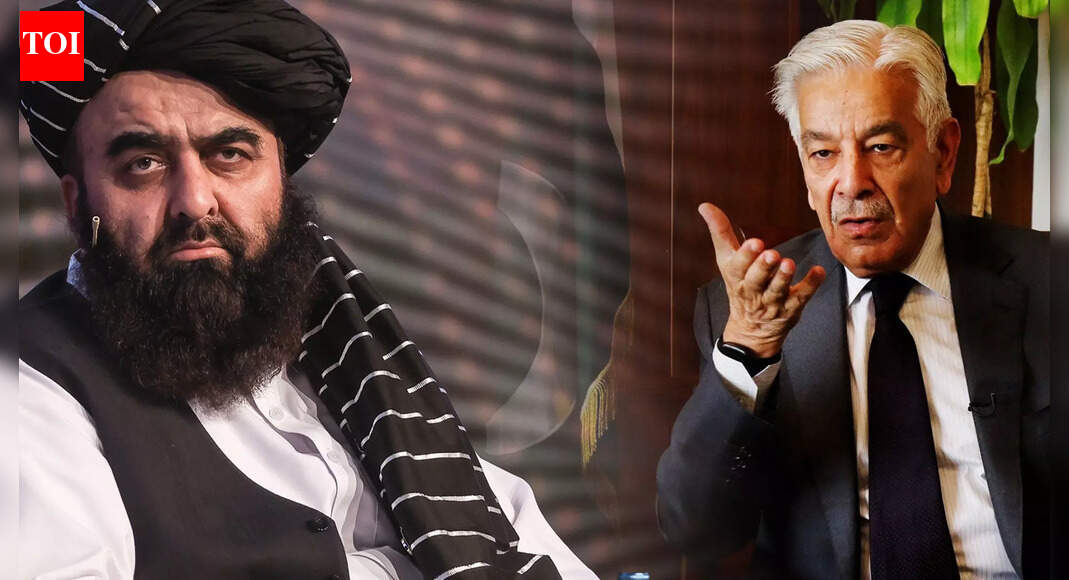
Pakistan’s Defence Minister Khawaja Asif has voiced significant concerns regarding the reliability of the Taliban regime in Afghanistan. His remarks follow a series of deadly cross-border strikes that have escalated tensions between the two nations. According to Afghan officials, these strikes, attributed to Pakistan, resulted in the deaths of at least ten individuals, including children. In contrast, Pakistan has categorically denied targeting civilians, intensifying the already strained relations.
In a candid statement, Asif reflected on his initial hopes for improved ties with the Taliban after their takeover of Afghanistan. He noted that he personally welcomed their leadership, anticipating a positive shift in diplomatic relations. However, he expressed disappointment that years of engagement have yielded “no change in their attitude.” This lack of progress has led Asif to declare that all hopes for a constructive relationship are effectively over, underscoring the escalating crisis.
The situation is further complicated by the Taliban’s vow to retaliate against Pakistan, which could ignite a new phase of violence in the region. The fragile ceasefire brokered by Qatar and Turkey now hangs in the balance, overshadowed by mutual accusations and rising hostility. Asif’s admission highlights the broader implications of Pakistan’s Afghan policy, revealing a landscape marked by internal insecurity and vulnerability to attacks from the Tehrik-i-Taliban Pakistan (TTP).
This growing tension not only poses a diplomatic challenge for Islamabad but also raises significant security concerns as the Taliban continues to assert its influence. As the conflict unfolds, Pakistan is confronted with the prospect of a diplomatic and security disaster developing at its borders, one that could have far-reaching consequences for the region.
Asif’s statements indicate a pivotal moment in Pakistan’s approach to Afghanistan, as the country grapples with the realities of its neighbor’s governance and the implications of its own security strategy. The ongoing violence and accusations threaten to undermine any semblance of stability, leaving both nations at a critical juncture.
The international community watches closely, aware that the repercussions of these developments could extend beyond the immediate region, impacting broader geopolitical dynamics.

Priyanka Gandhi Vadra Pays Tribute to Sreenivasan, Remembering His Legacy

Stephen Hawking’s Legacy: Redefining Existence and Consciousness

Mandaviya Celebrates First Anniversary of Fit India Cycling Initiative

India Condemns Misleading Claims Over Delhi Protest at Bangladesh Mission

Indian Researchers Uncover Chemical Secrets of Ageing Stars

Nick Wright Critiques Victor Wembanyama’s Comments on OKC Thunder

Amitabh Bachchan Struggles with Film Title on KBC; Kartik Aaryan, Ananya Panday Join Him

Midwives in Kashmir Deliver Hope Amid Isolation and Change

Vaccination During Pregnancy: A Vital Shield for Mother and Child

SBI Announces QIP Floor Price at ₹811.05 Per Share

Cept Unveils ₹3.1 Crore Urban Mobility Plan for Sustainable Growth

New Blood Group Discovered in South Indian Woman at Rotary Centre

Torrential Rains Cause Flash Flooding in New York and New Jersey

Konkani Cultural Organisation to Host Pearl Jubilee in Abu Dhabi

Broad Advocates for Bowling Change Ahead of Final Test Against India

Nothing Headphone 1 Review: A Bold Contender in Audio Design

Air India Crash Investigation Highlights Boeing Fuel Switch Concerns

Indian Stock Market Rebounds: Sensex and Nifty Rise After Four-Day Decline
-
 World5 months ago
SBI Announces QIP Floor Price at ₹811.05 Per Share
-
 Lifestyle5 months ago
Cept Unveils ₹3.1 Crore Urban Mobility Plan for Sustainable Growth
-
 Science5 months ago
New Blood Group Discovered in South Indian Woman at Rotary Centre
-
 World5 months ago
Torrential Rains Cause Flash Flooding in New York and New Jersey
-
 Top Stories5 months ago
Konkani Cultural Organisation to Host Pearl Jubilee in Abu Dhabi
-
 Sports5 months ago
Broad Advocates for Bowling Change Ahead of Final Test Against India
-
 Science5 months ago
Nothing Headphone 1 Review: A Bold Contender in Audio Design
-
 Top Stories5 months ago
Air India Crash Investigation Highlights Boeing Fuel Switch Concerns
-
 Business5 months ago
Indian Stock Market Rebounds: Sensex and Nifty Rise After Four-Day Decline
-

 Sports5 months ago
Cristian Totti Retires at 19: Pressure of Fame Takes Toll
-

 Politics5 months ago
Abandoned Doberman Finds New Home After Journey to Prague
-

 Top Stories5 months ago
Patna Bank Manager Abhishek Varun Found Dead in Well