
Politics
Former CIA Officer Responds Fiercely to Pakistan’s Apology Demand

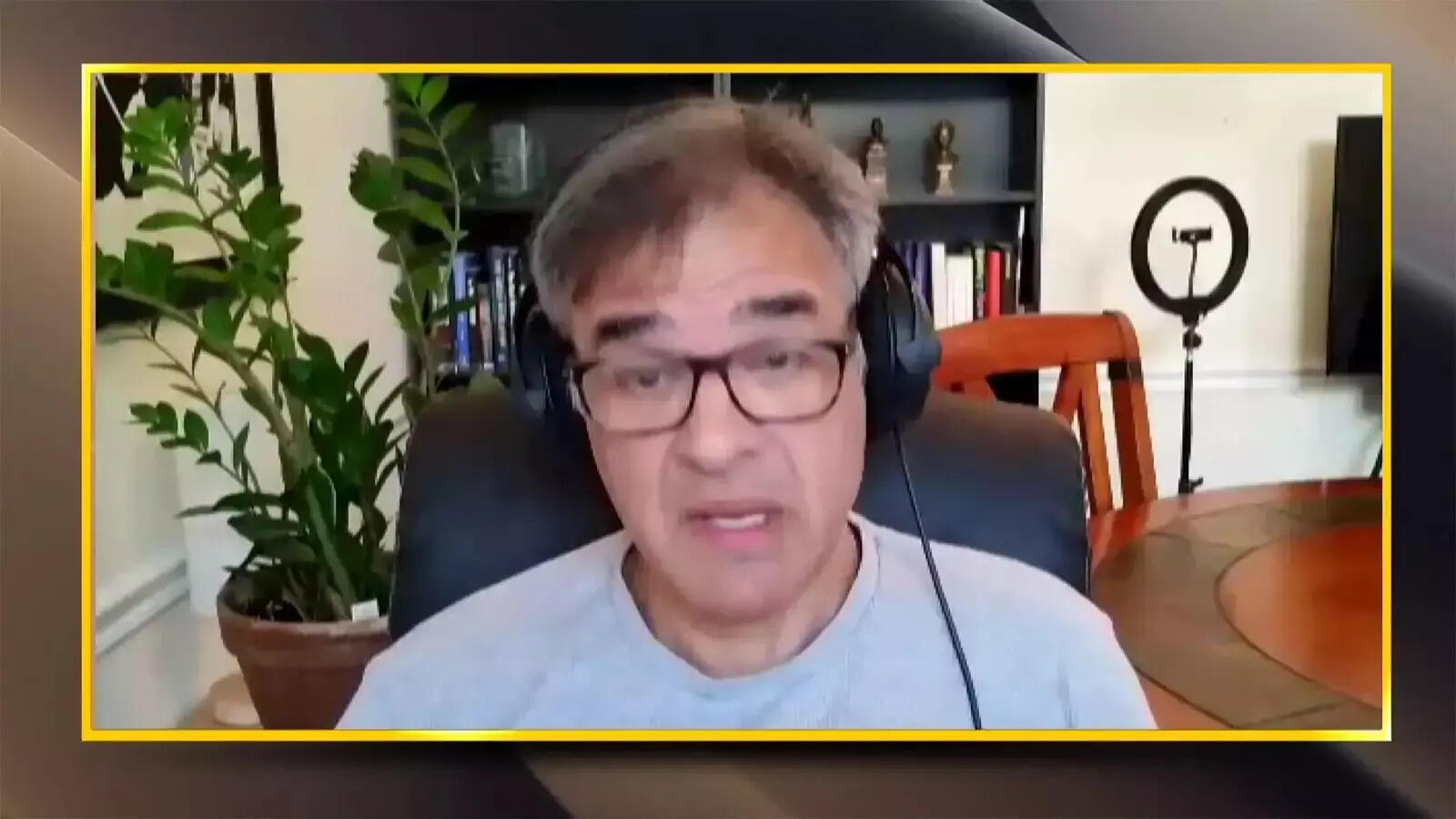
A diplomatic controversy has emerged following comments made by former CIA officer John Kiriakou regarding India’s military capabilities. Kiriakou disclosed that the political party Pakistan Tehreek-e-Insaf (PTI) demanded a formal apology for his remarks, which he shared during a recent podcast. This demand has sparked significant backlash, with Kiriakou stating he received online threats and an official condemnation letter from PTI.
In his podcast, Kiriakou, who is known for his role in exposing CIA practices, including the agency’s torture program, expressed his views on India’s conventional military dominance. He articulated that he stands by his statements, asserting that the situation merits open discussion rather than retribution. Instead of retracting his comments, Kiriakou delivered a provocative retort, indicating he would “wipe my a**” with PTI’s apology request.
Political Context and Reactions
The incident has reignited debates concerning military comparisons between India and Pakistan, highlighting the sensitive nature of such discussions in the region. Analysts have noted that Pakistan often reacts strongly to perceptions of military inferiority, which may explain PTI’s demand for Kiriakou’s apology. The PTI, led by former Prime Minister Imran Khan, has faced criticism for its handling of diplomatic relations, particularly in light of the ongoing tensions between India and Pakistan.
Kiriakou’s remarks have not only drawn ire from PTI supporters but also brought attention to the broader implications of military discourse in South Asia. The fragile political environment surrounding PTI, amid ongoing challenges to its governance, adds another layer of complexity to the situation.
Supporters of Kiriakou argue that his comments reflect a necessary reality check regarding the military capabilities of both nations. They contend that candid discussions about military strength are essential for informed public discourse, especially in a region characterized by historical conflict.
The Impact of Social Media
The fallout from Kiriakou’s statements exemplifies the role of social media in amplifying diplomatic disputes. Online platforms have seen a surge in both support for Kiriakou and backlash against his comments. The nature of the threats he received, ranging from personal attacks to calls for retribution, underscores the volatile atmosphere surrounding military and political discussions in the digital age.
Kiriakou’s experience illustrates the challenges faced by public figures who engage in sensitive geopolitical conversations. His determination to stand by his words, despite the backlash, signals a broader trend among some commentators who refuse to shy away from contentious topics.
The unfolding situation serves as a reminder of the delicate balance required in addressing military comparisons and the potential for dialogue to provoke intense reactions. As discussions continue, both Kiriakou’s perspective and PTI’s response will likely shape the narrative surrounding military discourse in South Asia.
In conclusion, the demand for an apology from PTI and Kiriakou’s fierce rebuttal reflect ongoing tensions between India and Pakistan, as well as the challenges of navigating sensitive political landscapes in the public sphere.

Swiss Voters Reject Hefty Inheritance Tax Amid Public Opposition

Archaeologists Uncover 2,000-Year-Old Papyrus in Egyptian Coffin

Bijan Robinson Dominates Week 13, Davante Adams Sets New Record

Stockton Mass Shooting Claims Four Lives; Mayor Issues Stark Warning

Health Insights for December 1, 2025: Wellness Predictions for All Signs

Indian Government Supports Air Passengers in ₹50,000 Crore Suit

Shehbaz Badesha Eliminated from Bigg Boss 19; Amaal Mallik Reacts

India to Introduce New Cess on Tobacco and Pan Masala Products

Ram Kamal Mukherjee Celebrates Cinema at IFFI 2025

SBI Announces QIP Floor Price at ₹811.05 Per Share

Cept Unveils ₹3.1 Crore Urban Mobility Plan for Sustainable Growth

New Blood Group Discovered in South Indian Woman at Rotary Centre

Torrential Rains Cause Flash Flooding in New York and New Jersey

Konkani Cultural Organisation to Host Pearl Jubilee in Abu Dhabi

Broad Advocates for Bowling Change Ahead of Final Test Against India

Nothing Headphone 1 Review: A Bold Contender in Audio Design

Air India Crash Investigation Highlights Boeing Fuel Switch Concerns

Indian Stock Market Rebounds: Sensex and Nifty Rise After Four-Day Decline
-
 World5 months ago
SBI Announces QIP Floor Price at ₹811.05 Per Share
-
 Lifestyle5 months ago
Cept Unveils ₹3.1 Crore Urban Mobility Plan for Sustainable Growth
-
 Science4 months ago
New Blood Group Discovered in South Indian Woman at Rotary Centre
-
 World5 months ago
Torrential Rains Cause Flash Flooding in New York and New Jersey
-
 Top Stories5 months ago
Konkani Cultural Organisation to Host Pearl Jubilee in Abu Dhabi
-
 Sports4 months ago
Broad Advocates for Bowling Change Ahead of Final Test Against India
-
 Science5 months ago
Nothing Headphone 1 Review: A Bold Contender in Audio Design
-
 Top Stories5 months ago
Air India Crash Investigation Highlights Boeing Fuel Switch Concerns
-
 Business5 months ago
Indian Stock Market Rebounds: Sensex and Nifty Rise After Four-Day Decline
-

 Sports4 months ago
Cristian Totti Retires at 19: Pressure of Fame Takes Toll
-

 Politics5 months ago
Abandoned Doberman Finds New Home After Journey to Prague
-
 Top Stories5 months ago
Patna Bank Manager Abhishek Varun Found Dead in Well