
Lifestyle
Leading Neurologist Warns of Cannabis-Linked Health Risks


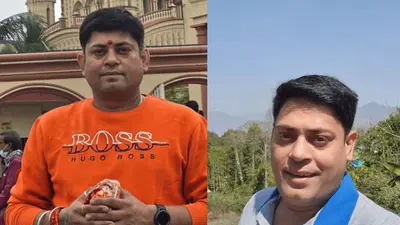
Dr (Col) Joy Dev Mukherji, a prominent neurologist in India, has issued a strong warning regarding the health risks associated with recreational drug use, specifically highlighting the dangers of cannabis. Speaking during an ANI podcast, Dr Mukherji emphasized that increasing social acceptance of such substances poses significant health threats, particularly among young people. He noted a troubling rise in severe neurological emergencies linked to recreational drug use.
With over 28 years of clinical experience, Dr Mukherji has witnessed first-hand the harmful effects of these substances. He asserted that “there is absolutely no justification” for drug use, describing its growing acceptance as “deeply alarming.” He stated, “No way can we justify using drugs,” adding that this normalization leads to serious health complications, including strokes, seizures, and cardiac issues.
Dr Mukherji criticized the portrayal of drugs, particularly cannabis, as harmless, attributing this misinformation to vested interests. “People take it because it is being propagated by the powers that be, who are behind pushing these drugs,” he claimed. He firmly rejected the idea of “safe party drugs,” stating that such narratives are misleading and dangerous.
According to data from the Ministry of Social Justice and Empowerment, cannabis and opioids rank among the most commonly used substances in India. The 2019 report revealed that approximately 2.8 percent of the population, roughly 3.1 crore people, reported using some form of cannabis in the previous year. This includes bhang, consumed by about 2 percent of the population, and illegal forms such as ganja and charas, which are used by around 1.2 percent.
The neurologist also noted a concerning trend: young patients presenting with drug-related neurological issues are becoming more common. “Yes, definitely. Maybe not too many of them. But once a week, we see a patient—a young boy, 20 years old, 30 years old—with a party-related stroke or a party-drug-related neurological problem,” he explained. Dr Mukherji highlighted that these cases often reveal the use of drugs through urine screenings.
In addition to recreational drugs, Dr Mukherji expressed concern about excessive consumption of commercial energy drinks, which he argues offer no real benefits and are primarily marketing-driven products.
The neurologist underscored significant gaps in India’s public health response to neurological disorders. He called for urgent policy interventions to raise awareness and improve treatment options. “Deep in the hinterlands, epilepsy is still being treated by ‘jharphuk’, whereas it is easily treatable,” he pointed out.
Dr Mukherji advocated for broader and more affordable health insurance coverage and better emergency medical systems. He stated, “Because treatment is expensive, there has to be cheaper, more meaningful health insurance for individuals.” He also emphasized the need for a more effective medical evacuation system for critically ill patients.
In summarizing the situation, Dr Mukherji reiterated that the normalization of recreational drug use represents a serious contemporary health threat to India’s youth. He stressed the importance of early intervention, increased awareness, and robust policy support to combat this alarming trend.

Swiss Voters Reject Hefty Inheritance Tax Amid Public Opposition

Archaeologists Uncover 2,000-Year-Old Papyrus in Egyptian Coffin

Bijan Robinson Dominates Week 13, Davante Adams Sets New Record

Stockton Mass Shooting Claims Four Lives; Mayor Issues Stark Warning

Health Insights for December 1, 2025: Wellness Predictions for All Signs

Indian Government Supports Air Passengers in ₹50,000 Crore Suit

Shehbaz Badesha Eliminated from Bigg Boss 19; Amaal Mallik Reacts

India to Introduce New Cess on Tobacco and Pan Masala Products

Ram Kamal Mukherjee Celebrates Cinema at IFFI 2025

SBI Announces QIP Floor Price at ₹811.05 Per Share

Cept Unveils ₹3.1 Crore Urban Mobility Plan for Sustainable Growth

New Blood Group Discovered in South Indian Woman at Rotary Centre

Torrential Rains Cause Flash Flooding in New York and New Jersey

Konkani Cultural Organisation to Host Pearl Jubilee in Abu Dhabi

Broad Advocates for Bowling Change Ahead of Final Test Against India

Nothing Headphone 1 Review: A Bold Contender in Audio Design

Air India Crash Investigation Highlights Boeing Fuel Switch Concerns

Indian Stock Market Rebounds: Sensex and Nifty Rise After Four-Day Decline
-
 World5 months ago
SBI Announces QIP Floor Price at ₹811.05 Per Share
-
 Lifestyle5 months ago
Cept Unveils ₹3.1 Crore Urban Mobility Plan for Sustainable Growth
-
 Science4 months ago
New Blood Group Discovered in South Indian Woman at Rotary Centre
-
 World5 months ago
Torrential Rains Cause Flash Flooding in New York and New Jersey
-
 Top Stories5 months ago
Konkani Cultural Organisation to Host Pearl Jubilee in Abu Dhabi
-
 Sports4 months ago
Broad Advocates for Bowling Change Ahead of Final Test Against India
-
 Science5 months ago
Nothing Headphone 1 Review: A Bold Contender in Audio Design
-
 Top Stories5 months ago
Air India Crash Investigation Highlights Boeing Fuel Switch Concerns
-
 Business5 months ago
Indian Stock Market Rebounds: Sensex and Nifty Rise After Four-Day Decline
-

 Sports4 months ago
Cristian Totti Retires at 19: Pressure of Fame Takes Toll
-

 Politics5 months ago
Abandoned Doberman Finds New Home After Journey to Prague
-
 Top Stories5 months ago
Patna Bank Manager Abhishek Varun Found Dead in Well