
Business
India Introduces New Labour Codes to Enhance Worker Protections

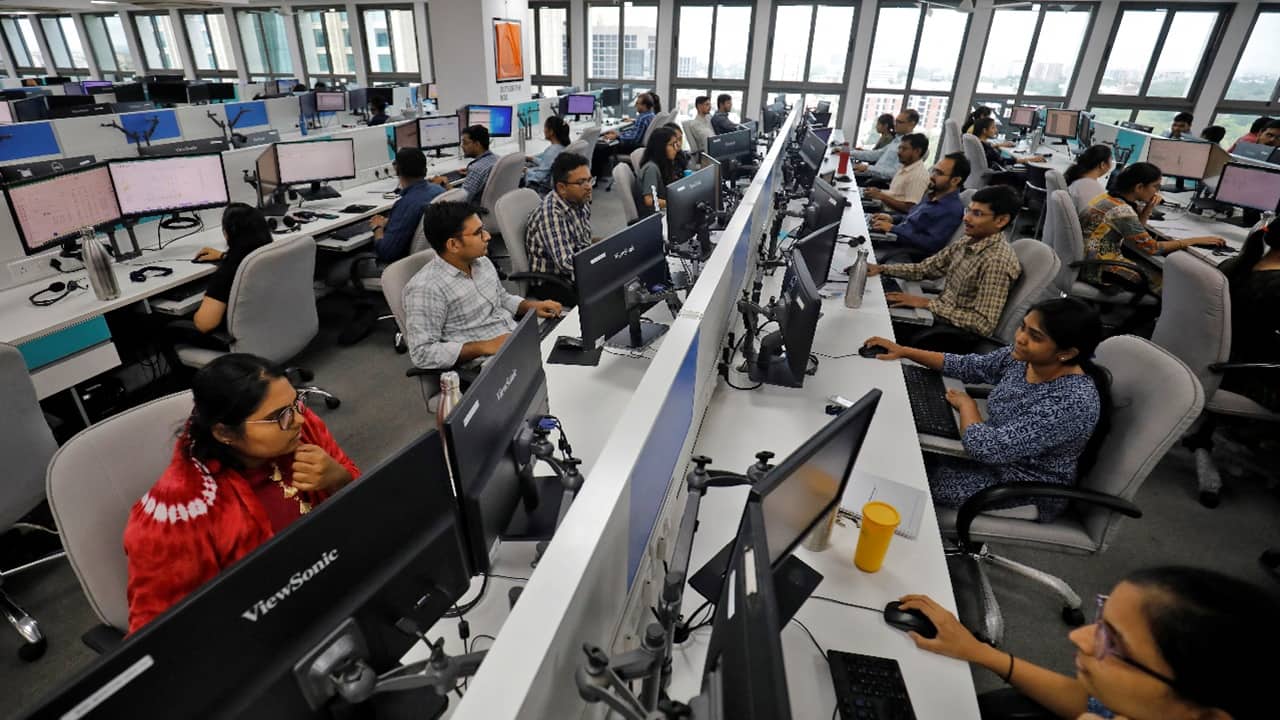
India has implemented new labour codes aimed at reforming the employment landscape for fixed-term and contract workers. These changes, introduced by the Ministry of Labour and Employment in October 2023, are designed to enhance worker protections and provide greater benefits to those in flexible employment arrangements.
The new regulations establish a framework that ensures fixed-term employees receive the same benefits as their permanent counterparts. This includes access to gratuity payments, which will now be calculated more quickly, thus improving financial security for these workers. The Employee Provident Fund Organization (EPFO) has also been tasked with overseeing these changes, ensuring that employees are adequately compensated for their contributions.
In addition to protections for fixed-term workers, the updated codes clarify the rights of contract workers, who often face ambiguity in their employment terms. Companies will now bear a clearer liability for the treatment and welfare of these workers. This shift aims to prevent abuse and ensure that all workers receive fair treatment, regardless of their employment status.
The changes come in response to a growing demand for more equitable labour practices in India. As the economy evolves, many workers have found themselves in non-traditional employment roles, leading to calls for reforms that address their unique challenges. The government’s latest move is part of a broader strategy to modernize the labour market, making it more inclusive and responsive to the needs of a diverse workforce.
Critics of the previous system highlighted the disparities between fixed-term and permanent employees. The lack of benefits for fixed-term workers often led to financial instability and job insecurity. With the introduction of these new codes, the government aims to bridge this gap and foster a more balanced approach to employment.
The reforms also include provisions for better job security, as firms will now be required to provide clearer contracts outlining the terms of employment for contract workers. This increased transparency is expected to reduce exploitation and enhance the overall quality of work life for millions of employees in India.
As these changes take effect, it remains crucial for both employers and workers to adapt to the new regulations. Employers must ensure compliance with the updated codes, while workers should familiarize themselves with their rights and benefits under the new framework.
In conclusion, India’s new labour codes represent a significant step towards improving the conditions for fixed-term and contract workers. By aligning benefits and clarifying responsibilities, the government hopes to create a fairer and more sustainable employment environment that supports all workers in their pursuit of economic stability.

Charges Filed Against Sushil Kumar in IGP Bribery Case

BSF Foils Four Infiltration Attempts, Neutralizes Eight Terrorists

New Tax Bill Targets Pan Masala, Gutkha to Fund Health and Defence

Samantha Ruth Prabhu Ties the Knot with Raj Nidimoru in Intimate Ceremony

ChatGPT 5 Raises Alarm for Mental Health Guidance Failures

Ayurveda Offers Natural Solutions to Combat Urban Smog Challenges

Voter Roll Overhaul Sparks Crisis as BLOs Face Heavy Strain

India Takes Steps to Boost Rare-Earth Magnet Production Amid Dependency

Washington Sundar Struggles at No. 5 in India’s ODI Loss to South Africa

SBI Announces QIP Floor Price at ₹811.05 Per Share

Cept Unveils ₹3.1 Crore Urban Mobility Plan for Sustainable Growth

New Blood Group Discovered in South Indian Woman at Rotary Centre

Torrential Rains Cause Flash Flooding in New York and New Jersey

Konkani Cultural Organisation to Host Pearl Jubilee in Abu Dhabi

Broad Advocates for Bowling Change Ahead of Final Test Against India

Nothing Headphone 1 Review: A Bold Contender in Audio Design

Air India Crash Investigation Highlights Boeing Fuel Switch Concerns

Indian Stock Market Rebounds: Sensex and Nifty Rise After Four-Day Decline
-
 World5 months ago
SBI Announces QIP Floor Price at ₹811.05 Per Share
-
 Lifestyle5 months ago
Cept Unveils ₹3.1 Crore Urban Mobility Plan for Sustainable Growth
-
 Science4 months ago
New Blood Group Discovered in South Indian Woman at Rotary Centre
-
 World5 months ago
Torrential Rains Cause Flash Flooding in New York and New Jersey
-
 Top Stories5 months ago
Konkani Cultural Organisation to Host Pearl Jubilee in Abu Dhabi
-
 Sports4 months ago
Broad Advocates for Bowling Change Ahead of Final Test Against India
-
 Science5 months ago
Nothing Headphone 1 Review: A Bold Contender in Audio Design
-
 Top Stories5 months ago
Air India Crash Investigation Highlights Boeing Fuel Switch Concerns
-
 Business5 months ago
Indian Stock Market Rebounds: Sensex and Nifty Rise After Four-Day Decline
-

 Sports4 months ago
Cristian Totti Retires at 19: Pressure of Fame Takes Toll
-

 Politics5 months ago
Abandoned Doberman Finds New Home After Journey to Prague
-

 Top Stories5 months ago
Patna Bank Manager Abhishek Varun Found Dead in Well