
Politics
Lavrov Urges Europe to Rethink Ukraine Strategy Amid Tensions


Russian Foreign Minister Sergey Lavrov criticized European leaders for their role in the ongoing conflict in Ukraine during a recent press briefing. He emphasized that the “mutual understandings” achieved between Vladimir Putin and Donald Trump in Alaska represent the only viable path to a long-term resolution. Lavrov’s remarks come as tensions continue to escalate in the region, with Moscow suggesting that its relationship with Washington may be improving, while accusing Europe of undermining peace efforts.
During the briefing, Lavrov claimed that Kyiv has devolved into a “criminal, neo-Nazi-driven regime” supported by European powers. He asserted that the West is intentionally prolonging the conflict to rebuild its military capabilities. “The longer this conflict continues, the more time they have to replenish their weapon stockpiles,” Lavrov stated, reflecting his concerns about the geopolitical implications of the war.
Lavrov’s assertions highlight a significant shift in rhetoric as Russia seeks to frame the narrative surrounding the conflict. He accused European nations of failing to prioritize peace, suggesting that their actions are driven by a desire for confrontation rather than resolution. This perspective is critical as it shapes the future dynamics of international relations in the context of the ongoing war.
Europe’s Response to Lavrov’s Claims
European officials have yet to formally respond to Lavrov’s statements. However, the accusations of supporting a “neo-Nazi-driven regime” in Ukraine have been met with widespread condemnation among European leaders, who view Ukraine as a sovereign nation defending itself against aggression. The ongoing conflict has seen various European countries provide military and humanitarian support to Ukraine, further complicating the narrative presented by Lavrov.
The backdrop of Lavrov’s comments underscores the complexities of international diplomacy. As discussions about peace continue, the role of external actors, particularly Europe and the United States, remains a focal point. Lavrov’s insistence on the importance of the agreements made with Trump suggests that Russia may be positioning itself to leverage past understandings in future negotiations.
The Path Forward
As tensions persist, the prospect of a diplomatic resolution remains uncertain. Lavrov’s warning to Europe serves as a reminder of the stakes involved in the ongoing conflict. The Russian government continues to assert its perspective on the situation, while European leaders must navigate their responses carefully to maintain support for Ukraine.
The international community watches closely as these developments unfold. Lavrov’s statements not only reflect Russia’s stance but also signal a broader challenge for European leaders in balancing their commitments to Ukraine with the complexities of diplomatic engagement with Russia.
The future of peace in Ukraine may hinge on the ability of all parties to reconsider their positions and work towards a sustainable resolution to the conflict. As of now, the situation remains precarious, with numerous factors influencing the path ahead.

BSF Honors 1971 War Heroes at Raja Mohatam Border Outpost

7.5-Magnitude Earthquake Rocks Northern Japan, Evacuations Underway

Bitcoin Surges Past $93,000: What’s Fueling the Rally?

Shashi Tharoor Shares Playful Behind-the-Scenes Footage

BJP MP K Laxman Calls for Standardized Medical Billing Practices

Hema Malini Celebrates Dharmendra’s Legacy at Special Event

Trump Considers Ending Federal Taxes on Gambling Winnings

Kristi Noem Warns of Risks to American Lives and Economy

Green Hydrogen Market Poised for Rapid Growth by 2032

SBI Announces QIP Floor Price at ₹811.05 Per Share

Cept Unveils ₹3.1 Crore Urban Mobility Plan for Sustainable Growth

New Blood Group Discovered in South Indian Woman at Rotary Centre

Torrential Rains Cause Flash Flooding in New York and New Jersey

Konkani Cultural Organisation to Host Pearl Jubilee in Abu Dhabi

Broad Advocates for Bowling Change Ahead of Final Test Against India

Nothing Headphone 1 Review: A Bold Contender in Audio Design

Air India Crash Investigation Highlights Boeing Fuel Switch Concerns

Indian Stock Market Rebounds: Sensex and Nifty Rise After Four-Day Decline
-
 World5 months ago
SBI Announces QIP Floor Price at ₹811.05 Per Share
-
 Lifestyle5 months ago
Cept Unveils ₹3.1 Crore Urban Mobility Plan for Sustainable Growth
-
 Science5 months ago
New Blood Group Discovered in South Indian Woman at Rotary Centre
-
 World5 months ago
Torrential Rains Cause Flash Flooding in New York and New Jersey
-
 Top Stories5 months ago
Konkani Cultural Organisation to Host Pearl Jubilee in Abu Dhabi
-
 Sports5 months ago
Broad Advocates for Bowling Change Ahead of Final Test Against India
-
 Science5 months ago
Nothing Headphone 1 Review: A Bold Contender in Audio Design
-
 Top Stories5 months ago
Air India Crash Investigation Highlights Boeing Fuel Switch Concerns
-
 Business5 months ago
Indian Stock Market Rebounds: Sensex and Nifty Rise After Four-Day Decline
-

 Sports5 months ago
Cristian Totti Retires at 19: Pressure of Fame Takes Toll
-

 Politics5 months ago
Abandoned Doberman Finds New Home After Journey to Prague
-
 Top Stories5 months ago
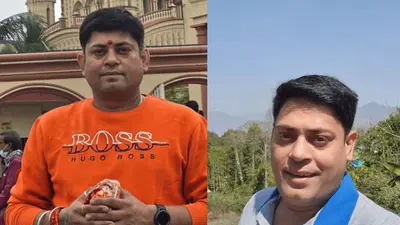
Patna Bank Manager Abhishek Varun Found Dead in Well