
Health
UK Hospital Removes Sinks to Combat Infection Risk in Patients

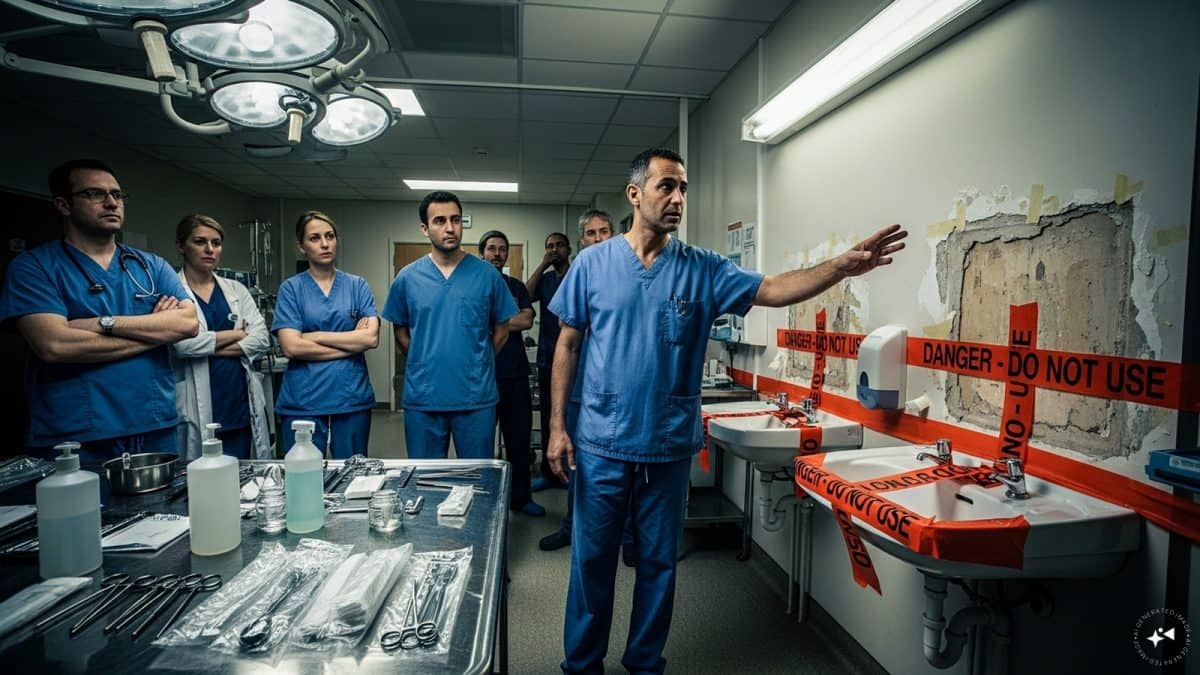
Wexham Park Hospital in Slough has removed sinks from its intensive care unit (ICU) and other wards to combat the risk of infections among patients. This initiative, led by consultant clinical microbiologist Dr Manjula Meda, is part of a pioneering “water-safe” model inspired by practices in the Netherlands and Germany. The hospital has already removed 23 sinks from the ICU and a total of 108 across nine wards, including those dedicated to elderly care and oncology. Ultimately, up to 80% of sinks may be eliminated, leaving only those in toilet facilities.
The decision has raised eyebrows, particularly after years of public health campaigns emphasizing the importance of handwashing. Dr Karim Fouad Alber, an ICU consultant, expressed concerns about whether the absence of handwashing facilities would maintain cleanliness during sterile procedures. Initially, he continued to wash his hands as usual until the sinks were taped over and subsequently removed. At Wexham Park’s sister facility, Frimley Park Hospital, plans are underway to remove sinks even from neonatal units.
The rationale behind this controversial approach is to reduce the presence of antimicrobial-resistant bacteria, particularly in hospital plumbing systems. Dr Meda explained that sinks, drains, and wastewater pipes harbor bacteria that can flourish and become resistant to antibiotics. She described these plumbing systems as “reservoirs of bacteria… an Amazon rainforest in drain systems.” Handwashing can inadvertently introduce microbes into these drains, creating a breeding ground for superbugs, including carbapenemase-producing Enterobacterales (CPEs), which are resistant to nearly all antibiotics.
Research indicates that a significant portion of hospital-acquired CPE infections can be traced back to sinks. In French ICUs, half of the sink drains tested positive for multidrug-resistant organisms, while a study in Germany found that ICUs with sinks had a 30% higher rate of hospital-acquired infections. Wexham Park began reviewing its water safety policies following an increase in CPE cases, which rose from eight in 2022–23 to 14 in 2023–24.
To address this issue, the hospital now screens all patients upon admission and discharge. Early results indicate a promising trend, with hospital-acquired CPE cases dropping from 80 in 2024–25 to 40 in 2025–26. The ICU has also seen a nearly 50% reduction in infection rates, including pneumonia. The Eden Day oncology unit has reported only one new CPE case since early 2024, a significant drop from nine cases the previous year.
Adjusting to a sink-free environment has presented challenges for staff. ICU matron Ruramai Chidzambwa noted the cultural shift required for nurses and doctors, who have long been taught the importance of handwashing. Senior nurse Sandra Stirzaker admitted she still instinctively walks towards where the sinks once stood. Instead of sinks, ICU areas now feature hand sanitiser stations, glove dispensers, and specialized waste bins, with only three sinks remaining in the unit. Staff have adapted by using wipes for patient hygiene and relying on hand sanitiser between patient interactions.
The removal of sinks aligns with growing evidence suggesting that water in clinical settings may pose more risks than benefits. Traditional infection control measures led to the installation of sinks “in every corner” to combat infections like C. difficile. However, recent studies have shown that these sinks can also harbor harmful bacteria. Maintaining a single sink can cost about £1,000 annually, a considerable expense for the financially pressured NHS.
At Wexham Park’s redesigned utility room, new washable bowls and disinfection cycles replace many functions previously served by sinks. The shower room has also been re-engineered to minimize splash-back. Chidzambwa emphasized that reframing the concept of hygiene has played a critical role in this transition.
Patient reactions to the changes have varied from surprise to curiosity. In the Eden Day oncology unit, chemotherapy patients are now seated beside bottles of hand sanitiser instead of sinks. One patient, Rosalind Bieber, remarked on the surprising absence of sinks but noted the ample availability of hand sanitiser throughout the hospital.
This innovative approach is not unique to Wexham Park. At Radboud University Medical Center in the Netherlands, microbiologist Dr Joost Hopman led a study that removed sinks following outbreaks linked to Enterobacter cloacae. Hopman stated that no amount of cleaning or disinfecting could eliminate the persistent biofilms in drains, leading to the conclusion that removing the source was the most sustainable solution.
Dr Meda envisions future advancements, such as aviation-style waterless toilets, as part of this evolving model. She believes Wexham Park could serve as a blueprint for the NHS, though she acknowledges the significant cultural adjustment required. For Dr Alber, who initially questioned the decision, the evidence supporting this approach has been compelling. He now recognizes the potential dangers of sinks, stating, “I very much support the project… But I don’t think handwashing is a bad thing either.”

BSF Honors 1971 War Heroes at Raja Mohatam Border Outpost

7.5-Magnitude Earthquake Rocks Northern Japan, Evacuations Underway

Bitcoin Surges Past $93,000: What’s Fueling the Rally?

Shashi Tharoor Shares Playful Behind-the-Scenes Footage

BJP MP K Laxman Calls for Standardized Medical Billing Practices

Hema Malini Celebrates Dharmendra’s Legacy at Special Event

Trump Considers Ending Federal Taxes on Gambling Winnings

Kristi Noem Warns of Risks to American Lives and Economy

Green Hydrogen Market Poised for Rapid Growth by 2032

SBI Announces QIP Floor Price at ₹811.05 Per Share

Cept Unveils ₹3.1 Crore Urban Mobility Plan for Sustainable Growth

New Blood Group Discovered in South Indian Woman at Rotary Centre

Torrential Rains Cause Flash Flooding in New York and New Jersey

Konkani Cultural Organisation to Host Pearl Jubilee in Abu Dhabi

Broad Advocates for Bowling Change Ahead of Final Test Against India

Nothing Headphone 1 Review: A Bold Contender in Audio Design

Air India Crash Investigation Highlights Boeing Fuel Switch Concerns

Indian Stock Market Rebounds: Sensex and Nifty Rise After Four-Day Decline
-
 World5 months ago
SBI Announces QIP Floor Price at ₹811.05 Per Share
-
 Lifestyle5 months ago
Cept Unveils ₹3.1 Crore Urban Mobility Plan for Sustainable Growth
-
 Science5 months ago
New Blood Group Discovered in South Indian Woman at Rotary Centre
-
 World5 months ago
Torrential Rains Cause Flash Flooding in New York and New Jersey
-
 Top Stories5 months ago
Konkani Cultural Organisation to Host Pearl Jubilee in Abu Dhabi
-
 Sports5 months ago
Broad Advocates for Bowling Change Ahead of Final Test Against India
-
 Science5 months ago
Nothing Headphone 1 Review: A Bold Contender in Audio Design
-
 Top Stories5 months ago
Air India Crash Investigation Highlights Boeing Fuel Switch Concerns
-
 Business5 months ago
Indian Stock Market Rebounds: Sensex and Nifty Rise After Four-Day Decline
-

 Sports5 months ago
Cristian Totti Retires at 19: Pressure of Fame Takes Toll
-

 Politics5 months ago
Abandoned Doberman Finds New Home After Journey to Prague
-

 Top Stories5 months ago
Patna Bank Manager Abhishek Varun Found Dead in Well