
Health
How Cold Weather Disrupts Urinary Health: Expert Insights

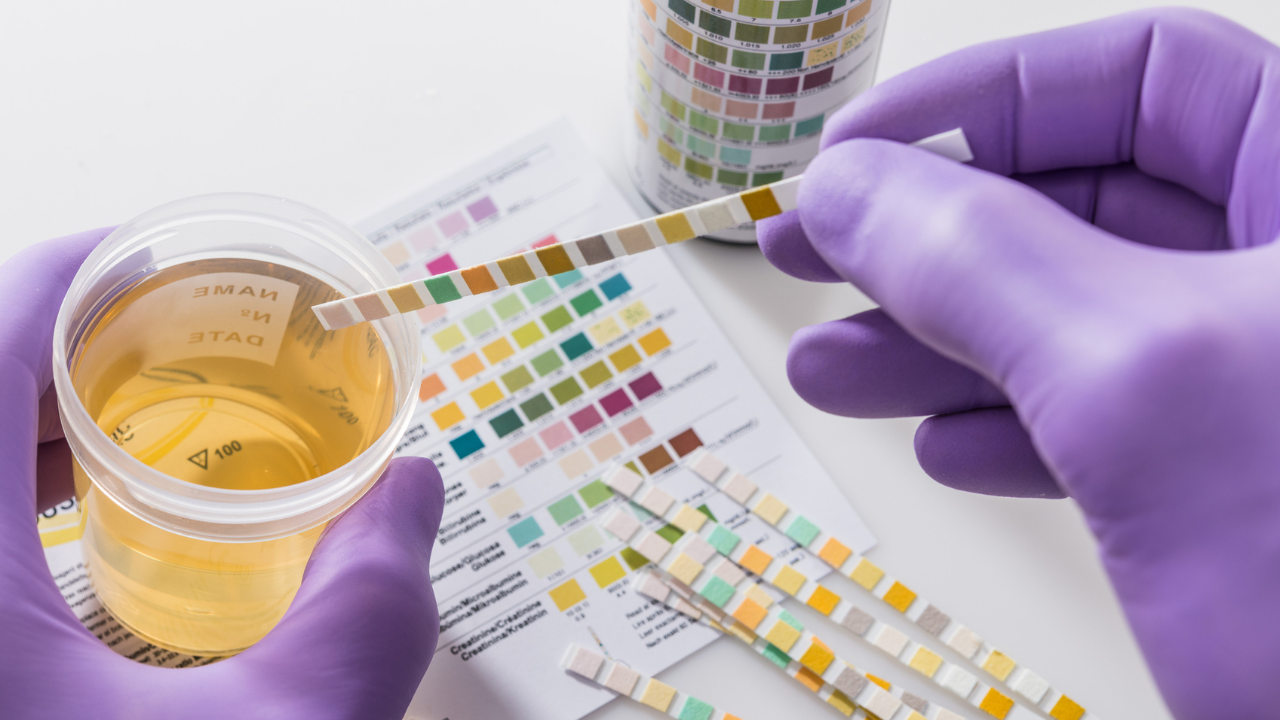
As winter settles in across India, the impact of cold weather extends beyond common ailments like colds and flu. According to Dr. Anil Bradoo, a Consultant Urologist at Zen Multispeciality Hospital in Mumbai, the drop in temperature can significantly affect urinary health. This seasonal change can lead to various urological issues, including urinary tract infections (UTIs), kidney stones, and overactive bladder.
Cold weather alters hydration patterns, as people tend to drink less water. This results in more concentrated urine, creating an environment conducive to bacterial growth and increasing the risk of UTIs. Tight, non-breathable clothing further exacerbates the situation by trapping moisture, making it easier for bacteria to flourish. Additionally, lower hydration levels and decreased fluid intake can lead to dehydration, which is a contributing factor to kidney stone formation.
Moreover, cold stress can tighten bladder muscles, leading to more frequent urges to urinate or the onset of an overactive bladder. Men with pre-existing prostate issues may experience exacerbated symptoms, such as difficulty initiating urination or the sensation of incomplete bladder emptying.
Protecting Your Urinary Health This Winter
To maintain a healthy urinary system throughout the colder months, experts recommend several preventative measures. Hydration is paramount; individuals should aim for at least 3 litres of fluids daily, even if thirst is not apparent. Consuming warm beverages like herbal teas or soups can help keep urine diluted and flush out potential bacteria.
Regular bathroom breaks are essential. Avoid holding urine for extended periods, as frequent urination can help prevent infections and alleviate bladder tension. Incorporating urinary health-promoting foods into your diet is also beneficial. Fruits such as citrus, cranberries, and pomegranates are particularly advantageous, while it’s advisable to limit salt and processed foods that can strain the kidneys.
Reducing caffeine and alcohol intake is crucial, as these substances may irritate the bladder and contribute to dehydration. Practicing good hygiene is equally important; individuals should wipe from front to back, avoid harsh chemicals, and opt for breathable underwear, preferably cotton, to mitigate the risk of infections.
Light exercise can also play a role in maintaining urinary health. It improves blood circulation, reduces fluid retention, and supports overall bladder control.
If symptoms such as burning, pain, blood in the urine, or frequent nighttime urination arise, it is crucial to seek medical advice promptly. Dr. Bradoo emphasizes the importance of addressing these concerns: “If you experience burning, pain, blood in urine, or frequent nighttime urination, seek medical advice promptly.”
For men, any prostate-related symptoms, including frequent urination or a weak stream, should be evaluated by a urologist.
The winter months may seem tranquil, but the urinary system often works harder than usual. By prioritizing hydration, maintaining a balanced diet, and paying close attention to bodily signals, individuals can minimize the risk of common urological issues. As Dr. Bradoo notes, “It is necessary for everyone to focus on urological health.” Taking preventative measures is not just about comfort; it is crucial for safeguarding overall well-being.

Shalini’s Journey in ‘The Far Field’ Exposes Privilege’s Cost

Hindustan Unilever Appoints Vandana Suri as New Home Care Executive Director

Virat Kohli Sets New ODI Record, Surpasses Sachin Tendulkar

Kaja Kallas Revises Stance on Russian Military Size After Backlash

X1.9 Solar Flare Erupts, Causes Brief Radio Blackout

Lamine Yamal Discusses Messi Influence and World Cup Aspirations

Airbus Discovers Quality Issue Affecting A320 Family Aircraft

Awami League Condemns Dhaka Court Ruling Against Sheikh Hasina

Supreme Court Denies Extension for Waqf Property Registration

SBI Announces QIP Floor Price at ₹811.05 Per Share

Cept Unveils ₹3.1 Crore Urban Mobility Plan for Sustainable Growth

New Blood Group Discovered in South Indian Woman at Rotary Centre

Torrential Rains Cause Flash Flooding in New York and New Jersey

Konkani Cultural Organisation to Host Pearl Jubilee in Abu Dhabi

Broad Advocates for Bowling Change Ahead of Final Test Against India

Nothing Headphone 1 Review: A Bold Contender in Audio Design

Air India Crash Investigation Highlights Boeing Fuel Switch Concerns

Indian Stock Market Rebounds: Sensex and Nifty Rise After Four-Day Decline
-
 World5 months ago
SBI Announces QIP Floor Price at ₹811.05 Per Share
-
 Lifestyle5 months ago
Cept Unveils ₹3.1 Crore Urban Mobility Plan for Sustainable Growth
-
 Science4 months ago
New Blood Group Discovered in South Indian Woman at Rotary Centre
-
 World5 months ago
Torrential Rains Cause Flash Flooding in New York and New Jersey
-
 Top Stories5 months ago
Konkani Cultural Organisation to Host Pearl Jubilee in Abu Dhabi
-
 Sports4 months ago
Broad Advocates for Bowling Change Ahead of Final Test Against India
-
 Science5 months ago
Nothing Headphone 1 Review: A Bold Contender in Audio Design
-
 Top Stories5 months ago
Air India Crash Investigation Highlights Boeing Fuel Switch Concerns
-
 Business5 months ago
Indian Stock Market Rebounds: Sensex and Nifty Rise After Four-Day Decline
-

 Sports4 months ago
Cristian Totti Retires at 19: Pressure of Fame Takes Toll
-

 Politics5 months ago
Abandoned Doberman Finds New Home After Journey to Prague
-
 Top Stories5 months ago
Patna Bank Manager Abhishek Varun Found Dead in Well