
Health
Menopause Treatments Evolve: From Horse Urine to New Drugs

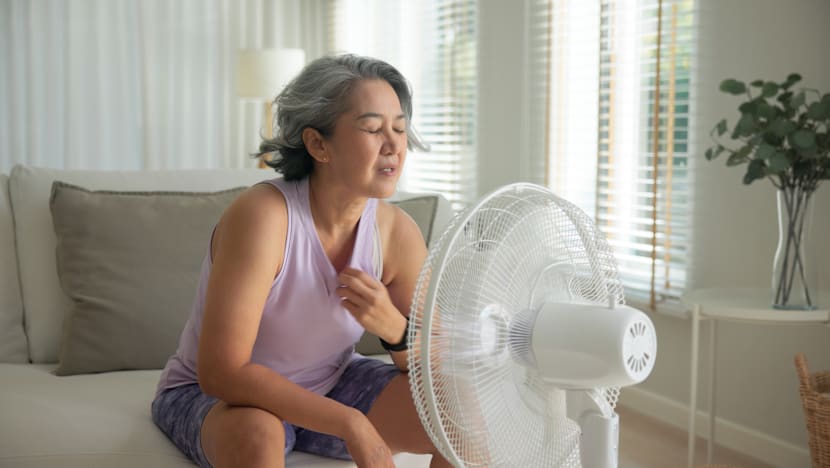
Menopause treatments have transformed significantly over the past two centuries, moving from early methods involving horse urine to the development of new non-hormonal medications targeting symptoms like hot flashes. The evolution began in 1821 when French physician Charles-Pierre-Louis de Gardanne coined the term “menopause,” but understanding and treating this natural phase of life has come a long way since then.
In the mid-19th century, discoveries by French physiologist Claude Bernard revealed that hormones produced by internal glands significantly impact bodily functions. This breakthrough laid the foundation for hormonal therapy, which further developed through various experimental methods, including the use of powdered bovine ovaries and extracts from animal testicles.
The first notable hormonal therapy emerged in 1928 with the introduction of an estrogen patch, which was rudimentary compared to today’s advanced transdermal patches. By 1934, the United States Food and Drug Administration (FDA) approved the first oral estrogen pill, Emmenin, derived from human placentas and urine. This marked the beginning of what is now known as menopausal hormone therapy (MHT).
From Horse Urine to Mainstream Therapy
The accessibility of hormonal therapy surged in 1942 when researchers discovered a more economical source of estrogen: pregnant mares’ urine, leading to the creation of Premarin. This product, which contains a mix of conjugated estrogens, quickly became popular, especially after the introduction of a vaginal cream version in 1938 to address vaginal dryness. Despite being widely used, both oral and cream forms of Premarin remain derived from horse urine, with their specific formulations kept confidential.
As early as the 1960s, hormonal therapies gained acceptance in the United States as effective treatments for menopausal symptoms, such as hot flashes and night sweats. The promise of improved well-being and chronic illness prevention propelled sales of conjugated estrogens. In Singapore, localized estrogen therapy emerged in the 1970s, with the active form, estradiol, gaining popularity in the 1980s. According to Associate Professor Yong Tze Tein from Singapore General Hospital, localized estrogen is considered the safest option as it minimizes absorption into the bloodstream, thereby reducing the risk of breast cancer.
Despite its benefits, the 1970s brought scrutiny to hormonal therapy. Studies established a correlation between estrogen-only treatments and an elevated risk of endometrial cancer. The controversy intensified with the results of the Women’s Health Initiative (WHI) in 2002, a comprehensive study involving over 160,000 post-menopausal women. The findings indicated significant risks associated with hormone use, including breast cancer and heart disease, leading many women to abandon hormonal treatments.
Reassessing Hormonal Therapy
Local experts assert that the WHI, while monumental in its scale, has limitations. Dr. Carmen Gan, a specialist at Raffles Women’s Centre, points out that the study generalized risks across all age groups without considering how long women had been post-menopause. She cites a 2006 meta-analysis indicating that women starting MHT before the age of 60 generally have a lower risk of heart disease.
Furthermore, Dr. Anthony Siow emphasizes that many WHI participants had pre-existing health conditions, such as hypertension and a history of smoking, which could skew results. Contemporary practices include a thorough assessment of individual cardiovascular risks, and low-estrogen transdermal MHT is now preferred over oral MHT due to its lower risk profile.
Despite the reassessment of risks, hormonal therapy is not suitable for all women, particularly those with a history of hormone-dependent cancers or cardiovascular issues. This has led to the emergence of non-hormonal medications like elinzanetant and fezolinetant, designed to alleviate vasomotor symptoms without the hormonal side effects. Doctors are also prescribing existing medications off-label for these symptoms, such as gabapentin and oxybutynin, which were originally approved for different conditions.
In Singapore, less than 2 percent of women utilize MHT for managing menopausal symptoms, according to Associate Professor Yong. Misconceptions surrounding hormonal therapy, particularly after the WHI, have contributed to this underutilization. Cultural norms further complicate the conversation about menopause, with many women feeling uncomfortable discussing sexual health or seeking treatment for symptoms like vaginal dryness.
As the average age of menopause onset is around 49, many women find themselves preoccupied with work and family responsibilities, often delaying considerations for hormonal therapy. Addressing this gap in knowledge and awareness is crucial for improving women’s health outcomes during menopause.
Even with the new non-hormonal treatments, it remains essential for women to consult healthcare professionals about their options. While elinzanetant has recently received FDA approval, its availability in other regions, including Singapore, is still pending regulatory review. As the field of menopause treatment continues to evolve, the importance of informed discussions between women and their healthcare providers cannot be overstated.
Menopause is a natural phase of life, and with ongoing advancements in treatment options, women can look forward to more effective management of their symptoms.

Albert Camus’ Insightful Quote on Human Identity Resurfaces

Drone Strikes and Missile Attacks Disrupt UAE Amid Rising Tensions

Japanese Yen Rises Sharply Against US Dollar Ahead of Key Decisions

Priyanka Chopra and Nick Jonas Avoid Near Miss en Route to Oscars

Gujarat Vaccinates Over 11 Lakh Infants in Major Health Drive

Alexandre Singh Wins Oscar, Celebrates Immigrant Heritage

Lok Sabha Speaker Issues Warning Over Placards in Parliament

Global Electrosurgical Devices Market Expands to $10.2 Billion by 2034

North Zone Dominates Cricket; SJAM-1 Shines in Table Tennis

SBI Announces QIP Floor Price at ₹811.05 Per Share

Cept Unveils ₹3.1 Crore Urban Mobility Plan for Sustainable Growth

New Blood Group Discovered in South Indian Woman at Rotary Centre

Konkani Cultural Organisation to Host Pearl Jubilee in Abu Dhabi

Torrential Rains Cause Flash Flooding in New York and New Jersey

Nothing Headphone 1 Review: A Bold Contender in Audio Design

Indian Stock Market Rebounds: Sensex and Nifty Rise After Four-Day Decline

Air India Crash Investigation Highlights Boeing Fuel Switch Concerns

Broad Advocates for Bowling Change Ahead of Final Test Against India
-
 World12 months ago
SBI Announces QIP Floor Price at ₹811.05 Per Share
-
 Lifestyle12 months ago
Cept Unveils ₹3.1 Crore Urban Mobility Plan for Sustainable Growth
-
 Science12 months ago
New Blood Group Discovered in South Indian Woman at Rotary Centre
-
 Top Stories12 months ago
Konkani Cultural Organisation to Host Pearl Jubilee in Abu Dhabi
-
 World12 months ago
Torrential Rains Cause Flash Flooding in New York and New Jersey
-
 Science12 months ago
Nothing Headphone 1 Review: A Bold Contender in Audio Design
-
 Business12 months ago
Indian Stock Market Rebounds: Sensex and Nifty Rise After Four-Day Decline
-
 Top Stories12 months ago
Air India Crash Investigation Highlights Boeing Fuel Switch Concerns
-
 Sports12 months ago
Broad Advocates for Bowling Change Ahead of Final Test Against India
-

 Sports12 months ago
Cristian Totti Retires at 19: Pressure of Fame Takes Toll
-

 Politics12 months ago
Abandoned Doberman Finds New Home After Journey to Prague
-

 Lifestyle12 months ago
Villagers Unite to Raise ₹45 Lakh for Water Solutions in Vadgam