
Business
Keep Cauliflower Fresh Longer with These Simple Tips

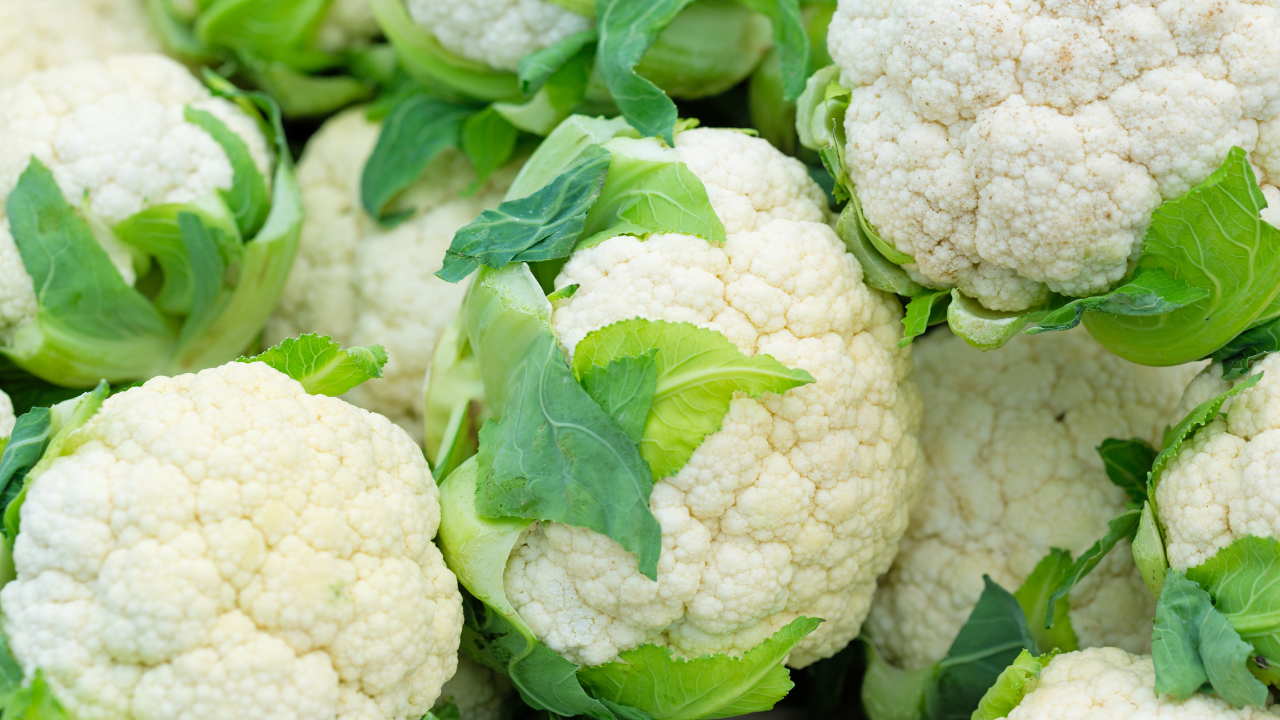
Cauliflower, a versatile vegetable often used in various dishes, can surprisingly spoil quickly if not stored properly. Many people end up discarding this nutritious option due to browning, sogginess, or unpleasant odors. However, with a few straightforward storage techniques, cauliflower can remain fresh for up to two weeks, sometimes even longer.
Choosing and Preparing Cauliflower
The journey to preserving cauliflower begins at the grocery store. When selecting your cauliflower, look for heads that are firm, tightly packed, and bright white. Avoid any with brown spots, soft stems, or a strong odor, as these are signs of aging.
Once home, it is crucial to keep the cauliflower unwashed until you are ready to use it. Moisture is detrimental to its longevity; washing before storage can lead to soggy florets. Instead, wash the cauliflower right before cooking.
Removing the outer leaves is also essential. Peeling away the dirty outer leaves while retaining the softer inner ones helps protect the florets and prevents the head from drying out.
Optimal Storage Techniques
For effective storage, place the cauliflower in a paper bag rather than a plastic one. Plastic bags trap moisture, which can lead to rot. Paper bags absorb excess humidity, keeping the cauliflower dry. If a plastic bag is your only option, poke a few holes in it to allow for some ventilation.
Wrapping the cauliflower in a clean kitchen towel can further reduce moisture accumulation and prevent browning. It can be stored in the vegetable drawer of your refrigerator, which is designed to maintain optimal humidity levels. Keeping cauliflower on a high shelf, where temperature fluctuations occur, is not advisable.
If you prefer to prep ahead, breaking the cauliflower into florets is acceptable, but ensure they are completely dry. Store the florets in an airtight container lined with a paper towel to absorb any remaining moisture.
To rejuvenate browning florets, a quick soak in a mixture of four cups of cold water and one tablespoon of vinegar can be beneficial. This solution not only revitalizes the florets but also eliminates bacteria. After soaking, ensure they are thoroughly dried before returning them to storage.
For those not planning to use their cauliflower soon, freezing is a practical option. Blanch the florets for a couple of minutes, cool them, and store them in zip-lock bags in the freezer. This method preserves their quality for months, making them an excellent addition to soups, stir-fries, or other dishes.
Once cauliflower is cut, spoilage accelerates due to exposure to air. To mitigate this, keep the pieces in a sealed container lined with a dry napkin to absorb excess moisture.
By implementing these simple yet effective storage techniques, individuals can enjoy crisp, fresh cauliflower for longer periods, reducing food waste and enhancing their culinary experiences.

Shalini’s Journey in ‘The Far Field’ Exposes Privilege’s Cost

Hindustan Unilever Appoints Vandana Suri as New Home Care Executive Director

Virat Kohli Sets New ODI Record, Surpasses Sachin Tendulkar

Kaja Kallas Revises Stance on Russian Military Size After Backlash

X1.9 Solar Flare Erupts, Causes Brief Radio Blackout

Lamine Yamal Discusses Messi Influence and World Cup Aspirations

Airbus Discovers Quality Issue Affecting A320 Family Aircraft

Awami League Condemns Dhaka Court Ruling Against Sheikh Hasina

Supreme Court Denies Extension for Waqf Property Registration

SBI Announces QIP Floor Price at ₹811.05 Per Share

Cept Unveils ₹3.1 Crore Urban Mobility Plan for Sustainable Growth

New Blood Group Discovered in South Indian Woman at Rotary Centre

Torrential Rains Cause Flash Flooding in New York and New Jersey

Konkani Cultural Organisation to Host Pearl Jubilee in Abu Dhabi

Broad Advocates for Bowling Change Ahead of Final Test Against India

Nothing Headphone 1 Review: A Bold Contender in Audio Design

Air India Crash Investigation Highlights Boeing Fuel Switch Concerns

Indian Stock Market Rebounds: Sensex and Nifty Rise After Four-Day Decline
-
 World5 months ago
SBI Announces QIP Floor Price at ₹811.05 Per Share
-
 Lifestyle5 months ago
Cept Unveils ₹3.1 Crore Urban Mobility Plan for Sustainable Growth
-
 Science4 months ago
New Blood Group Discovered in South Indian Woman at Rotary Centre
-
 World5 months ago
Torrential Rains Cause Flash Flooding in New York and New Jersey
-
 Top Stories5 months ago
Konkani Cultural Organisation to Host Pearl Jubilee in Abu Dhabi
-
 Sports4 months ago
Broad Advocates for Bowling Change Ahead of Final Test Against India
-
 Science5 months ago
Nothing Headphone 1 Review: A Bold Contender in Audio Design
-
 Top Stories5 months ago
Air India Crash Investigation Highlights Boeing Fuel Switch Concerns
-
 Business5 months ago
Indian Stock Market Rebounds: Sensex and Nifty Rise After Four-Day Decline
-

 Sports4 months ago
Cristian Totti Retires at 19: Pressure of Fame Takes Toll
-

 Politics5 months ago
Abandoned Doberman Finds New Home After Journey to Prague
-

 Top Stories5 months ago
Patna Bank Manager Abhishek Varun Found Dead in Well