
Science
COP30 Draft Text Omits Fossil Fuels, Igniting Tensions in Brazil

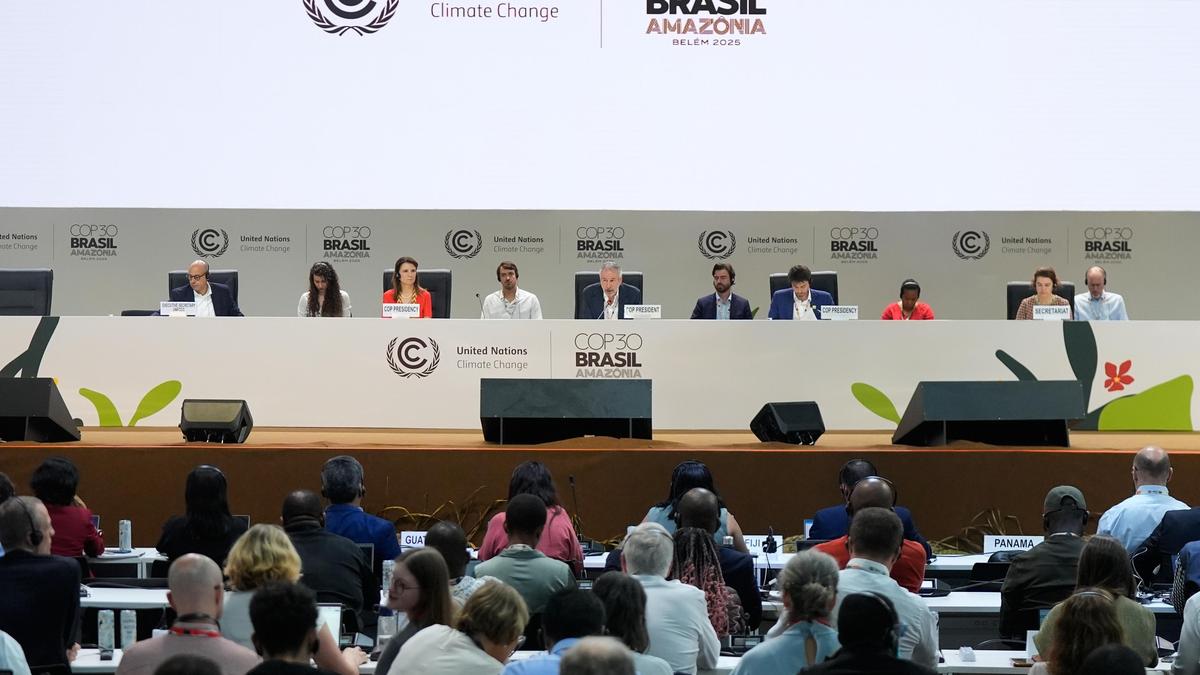
The ongoing climate talks at COP30 in Belém, Brazil, have reached a critical point as a draft cover text released on November 21, 2025, failed to address the issue of fossil fuel usage. This omission has caused significant unrest among participating nations, particularly those advocating for stronger commitments to mitigate climate change.
The Conference of Parties (COP) typically culminates in a ‘cover text’, a consensus statement reflecting the collective resolution of signatory countries to the Paris Agreement. At the helm of this year’s discussions is Brazilian diplomat Andrei Lago, who faces increasing pressure from various nations regarding the text’s content. Over the past ten days, a growing divide has emerged between developed and developing countries, especially those reliant on fossil fuels.
Developing nations, including several petro-states, have resisted efforts to establish a timeline for phasing out fossil fuels from their economies. In contrast, developed countries argue that specifying such timelines is essential for keeping global temperature rises below the critical threshold of 1.5°C by the end of the century. They emphasize the need for both public and private financing to facilitate the transition away from fossil fuels and to adapt to the impacts of climate change.
“We are disappointed with the text currently on the table,” stated Wopke Hoekstra, the European Commissioner for Climate. He underscored the necessity for ambitious climate action, particularly regarding mitigation efforts. Hoekstra further noted that any language surrounding financial commitments should align with the agreements reached in the previous year concerning the NCQG.
As discussions continue, a plenary session is scheduled for later on the same day, where nearly 80 countries are expected to express their concerns about the draft text. This session provides an opportunity for countries to publicly voice either their support or disappointment with the presidency’s proposed measures.
Arunabha Ghosh, Director General of the Council on Energy Environment and Water, stressed the importance of equity in climate action. “At COP30, the Global South is not asking for favours; it is asking for the basic foundations needed to deliver a fair and effective global climate response,” he remarked. Ghosh welcomed the proposed high-level ministerial roundtable aimed at reflecting on the implementation of the NCQG, while also highlighting the need for protections against climate-linked trade barriers for developing economies.
As the conference progresses, the stakes remain high, with the future of international climate policy hanging in the balance. The omission of fossil fuel commitments in the draft text raises critical questions about the direction of global efforts to combat climate change and the equitable distribution of responsibilities and resources among nations.

Charges Filed Against Sushil Kumar in IGP Bribery Case

BSF Foils Four Infiltration Attempts, Neutralizes Eight Terrorists

New Tax Bill Targets Pan Masala, Gutkha to Fund Health and Defence

Samantha Ruth Prabhu Ties the Knot with Raj Nidimoru in Intimate Ceremony

ChatGPT 5 Raises Alarm for Mental Health Guidance Failures

Ayurveda Offers Natural Solutions to Combat Urban Smog Challenges

Voter Roll Overhaul Sparks Crisis as BLOs Face Heavy Strain

India Takes Steps to Boost Rare-Earth Magnet Production Amid Dependency

Washington Sundar Struggles at No. 5 in India’s ODI Loss to South Africa

SBI Announces QIP Floor Price at ₹811.05 Per Share

Cept Unveils ₹3.1 Crore Urban Mobility Plan for Sustainable Growth

New Blood Group Discovered in South Indian Woman at Rotary Centre

Torrential Rains Cause Flash Flooding in New York and New Jersey

Konkani Cultural Organisation to Host Pearl Jubilee in Abu Dhabi

Broad Advocates for Bowling Change Ahead of Final Test Against India

Nothing Headphone 1 Review: A Bold Contender in Audio Design

Air India Crash Investigation Highlights Boeing Fuel Switch Concerns

Indian Stock Market Rebounds: Sensex and Nifty Rise After Four-Day Decline
-
 World5 months ago
SBI Announces QIP Floor Price at ₹811.05 Per Share
-
 Lifestyle5 months ago
Cept Unveils ₹3.1 Crore Urban Mobility Plan for Sustainable Growth
-
 Science4 months ago
New Blood Group Discovered in South Indian Woman at Rotary Centre
-
 World5 months ago
Torrential Rains Cause Flash Flooding in New York and New Jersey
-
 Top Stories5 months ago
Konkani Cultural Organisation to Host Pearl Jubilee in Abu Dhabi
-
 Sports4 months ago
Broad Advocates for Bowling Change Ahead of Final Test Against India
-
 Science5 months ago
Nothing Headphone 1 Review: A Bold Contender in Audio Design
-
 Top Stories5 months ago
Air India Crash Investigation Highlights Boeing Fuel Switch Concerns
-
 Business5 months ago
Indian Stock Market Rebounds: Sensex and Nifty Rise After Four-Day Decline
-

 Sports4 months ago
Cristian Totti Retires at 19: Pressure of Fame Takes Toll
-

 Politics5 months ago
Abandoned Doberman Finds New Home After Journey to Prague
-
 Top Stories5 months ago
Patna Bank Manager Abhishek Varun Found Dead in Well