
Business
Railways Introduces New Cement Policy to Lower Homebuyer Costs

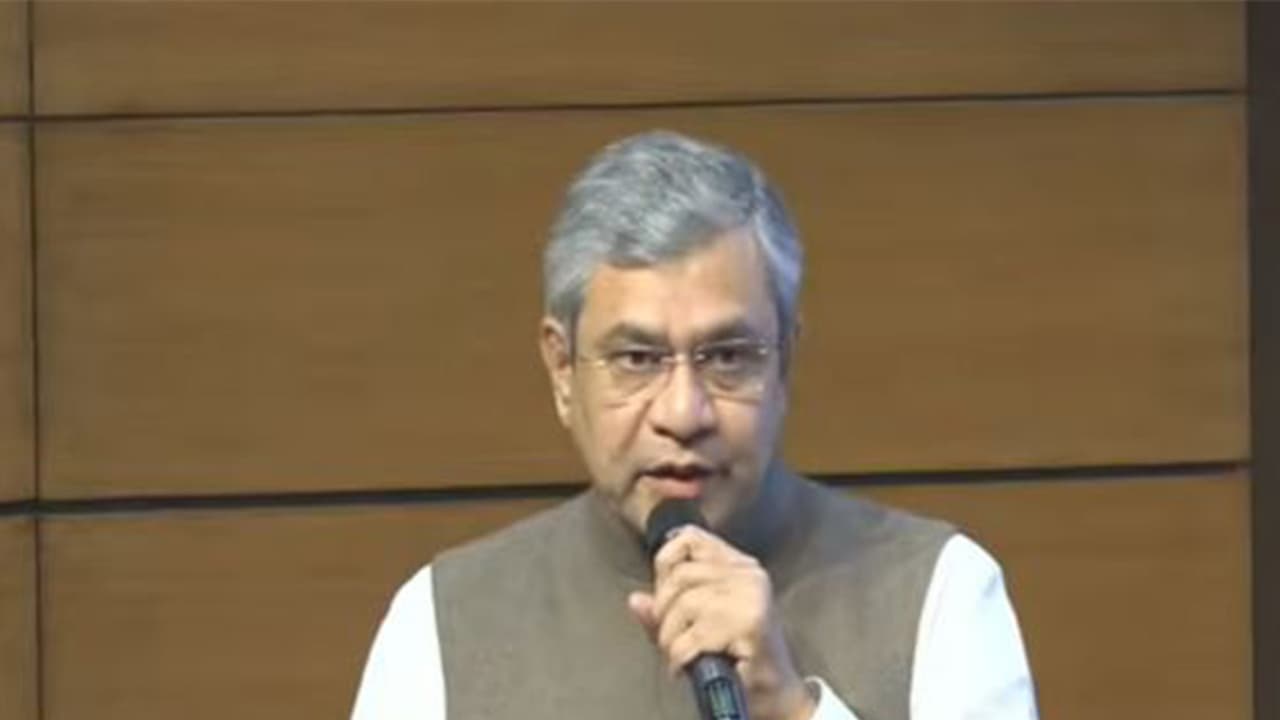
The Indian Railways has launched a new policy aimed at reducing cement transportation costs, which is expected to benefit homebuyers significantly. On March 12, 2024, Union Minister for Railways Ashwini Vaishnaw announced the introduction of a flat rate of Rs 0.90 per tonne per kilometre for bulk cement transport, as part of a larger plan to enhance logistics efficiency and sustainability.
The reform is designed to eliminate previous complexities in the pricing structure, removing distance and weight slabs. By rationalizing the rates, the government aims to make cement more affordable for middle- and lower-income families who aspire to build their homes. During the announcement in Rail Bhawan, Vaishnaw described the initiative as a transformative step for the construction sector.
Key Features of the New Policy
Under the new framework, cement transportation will be charged based on the actual distance covered, calculated through Gross Tonne Kilometres (GTKM). This simplified approach is expected to facilitate greater ease of doing business in the cement sector. The initiative also promotes the use of tank containers for bulk cement transport, which are designed to be environmentally friendly and support multimodal logistics.
The introduction of tank containers, a product aligned with the Make in India initiative, aims to enhance operational efficiency. Each container measures 20 ft x 8 ft x 8.5 ft, with a payload capacity of 26 tonnes and a gross weight of 31 tonnes. The design allows for rapid loading and unloading times, estimated at just 25-30 minutes, enabling seamless transitions between different modes of transport.
Expansion of Rail Infrastructure
The new policy coincides with broader improvements in India’s railway infrastructure. According to Ashwini Vaishnaw, India has become the world’s second-largest freight carrier, surpassing the USA. The expansion of the rail network has accelerated, increasing from 4 km per day between 2004 and 2014 to 12-14 km per day in recent years, significantly enhancing freight capacity.
Moreover, the broad-gauge railway network is now nearly 100% electrified. The government is also developing more than 1,300 Amrit Stations across the country to further improve passenger and freight services.
The new policy includes the establishment of specialized bulk cement terminals designed to streamline the handling, storage, and distribution of cement. These terminals will be directly connected to the railway network, ensuring efficient logistics. Equipped with essential facilities such as hoppers, silos, and bagging plants, the terminals aim to support the growing demand for bulk cement transport.
The benefits of this policy extend beyond cost reductions. It is expected to lower the overall carbon footprint associated with cement transportation compared to road transport, thereby promoting environmental sustainability. The bulk movement of cement in large consignments will reduce packaging needs and minimize material losses due to spillage.
In summary, the new policy introduced by Indian Railways is poised to significantly lower cement transportation costs for homebuyers while promoting environmentally friendly logistics practices. As India continues to develop its freight capabilities, this initiative marks a crucial step toward enhancing the country’s overall infrastructure and supporting affordable housing initiatives.

Voter Roll Overhaul Sparks Crisis as BLOs Face Heavy Strain

India Takes Steps to Boost Rare-Earth Magnet Production Amid Dependency

Washington Sundar Struggles at No. 5 in India’s ODI Loss to South Africa

Malaysia’s Anwar Ibrahim Rules Out Major Cabinet Shake-Up

Election Commission Faces Backlash Over Stressful Voter Roll Revisions

Elon Musk Envisions Future Where Money Loses Its Power

Nitesh Rane Critiques Eknath Shinde Amid Rival Campaigning

India Can Lead Global HIV Response as New Treatments Emerge

WNBA and Players Association Extend CBA Negotiations Until January 9

SBI Announces QIP Floor Price at ₹811.05 Per Share

Cept Unveils ₹3.1 Crore Urban Mobility Plan for Sustainable Growth

New Blood Group Discovered in South Indian Woman at Rotary Centre

Torrential Rains Cause Flash Flooding in New York and New Jersey

Konkani Cultural Organisation to Host Pearl Jubilee in Abu Dhabi

Broad Advocates for Bowling Change Ahead of Final Test Against India

Nothing Headphone 1 Review: A Bold Contender in Audio Design

Air India Crash Investigation Highlights Boeing Fuel Switch Concerns

Indian Stock Market Rebounds: Sensex and Nifty Rise After Four-Day Decline
-
 World5 months ago
SBI Announces QIP Floor Price at ₹811.05 Per Share
-
 Lifestyle5 months ago
Cept Unveils ₹3.1 Crore Urban Mobility Plan for Sustainable Growth
-
 Science4 months ago
New Blood Group Discovered in South Indian Woman at Rotary Centre
-
 World5 months ago
Torrential Rains Cause Flash Flooding in New York and New Jersey
-
 Top Stories5 months ago
Konkani Cultural Organisation to Host Pearl Jubilee in Abu Dhabi
-
 Sports4 months ago
Broad Advocates for Bowling Change Ahead of Final Test Against India
-
 Science5 months ago
Nothing Headphone 1 Review: A Bold Contender in Audio Design
-
 Top Stories5 months ago
Air India Crash Investigation Highlights Boeing Fuel Switch Concerns
-
 Business5 months ago
Indian Stock Market Rebounds: Sensex and Nifty Rise After Four-Day Decline
-

 Sports4 months ago
Cristian Totti Retires at 19: Pressure of Fame Takes Toll
-

 Politics5 months ago
Abandoned Doberman Finds New Home After Journey to Prague
-

 Top Stories5 months ago
Patna Bank Manager Abhishek Varun Found Dead in Well