
World
Tensions Rise as Anti-India Sentiments Surge in Bangladesh

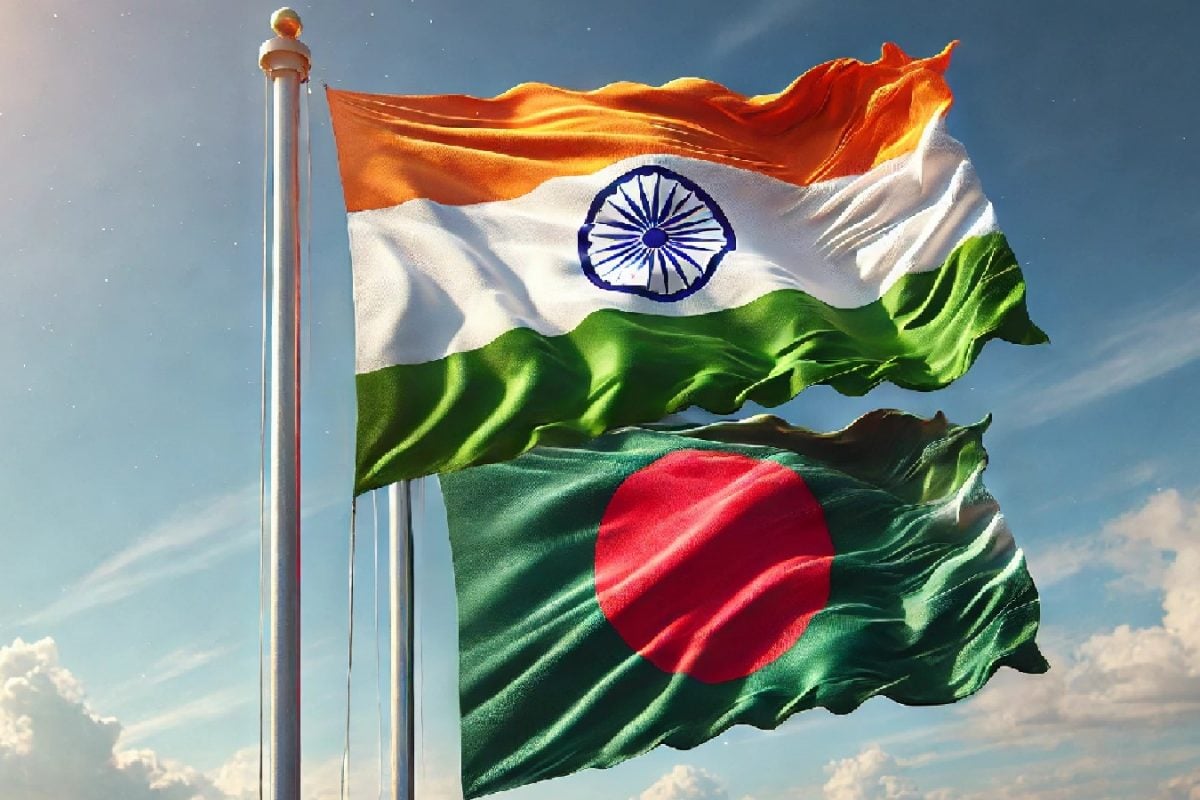
Growing tensions between India and Bangladesh have escalated as anti-India remarks from politicians and extremist groups threaten the safety of India’s High Commission in Dhaka. The situation intensified following a protest led by student leader Mosaddeq Ali Ibn, who warned of severe “consequences” if India continues its diplomatic actions against Bangladesh.
On October 4, 2023, the Indian government summoned Riaz Hamidullah, the Bangladeshi High Commissioner to India, to express strong concerns regarding the deteriorating security environment in Bangladesh. This diplomatic move coincided with a provocative rally where Ali Ibn led a march toward the Indian High Commission, which was halted approximately one kilometer from its location. In a charged speech, he stated, “If they (India) continue to act this way, we will retaliate. Everyone will have axes in their hands. Not even a single brick will be spared here. We will uproot India’s High Commissioner to Bangladesh from Bangladesh and banish him.”
As tensions mounted, another student leader, Rashid Pradhan, echoed Ali Ibn’s sentiments, declaring, “We stopped here this time. Next time, we will enter the Indian High Commission in Dhaka.” The rally occurred in close proximity to the High Commission, prompting India’s Visa Application Center (IVAC) in Dhaka to close early, citing “ongoing security concerns.”
Despite prior knowledge of the protest, police were unable to contain the demonstrators before they reached the designated stopping point. Earlier that day, India’s Ministry of External Affairs addressed unfounded conspiracy theories circulating in Bangladesh regarding the sheltering of attackers related to Sharif Osman Hadi, a leader of the Inqilab Mancha. The ministry described these claims as a “false narrative sought to be created by extremist elements regarding certain recent events in Bangladesh.”
The comments from Hasnat Abdullah, a leader of the National Citizen Party (NCP), further deepened the diplomatic rift. He asserted that India should “kick out” its High Commissioner from Bangladesh for allegedly providing refuge to “murderer” Sheikh Hasina. Abdullah’s remarks reflect a troubling trend wherein extremist views gain traction, raising fears about the political stability of Bangladesh.
Academic voices, such as Arifa Rehman Ruma, highlight the alarming situation in Bangladesh. Ruma noted, “Hasnat Abdullah publicly said the Indian High Commissioner should be kicked out—a statement no responsible politician should ever make. Extremist and violent figures like Hasnat and his supporters are now the only real power backing Md Yunus.”
As these developments unfold, the diplomatic relationship between India and Bangladesh faces significant strain. The increasing prevalence of extremist rhetoric and the mobilization of political factions may pose a serious threat to regional stability. Observers remain concerned that if these tensions are not managed, they could lead to broader implications for both countries.

Salman Khan’s E-Bike Adventure Goes Viral After Birthday Bash

Clascoterone Emerges as Promising Treatment for Hair Loss

Reliance Foundation Awards 5,100 Scholarships for 2025-26 Cycle

Father-in-Law Allegedly Stabs Wife and Daughter-in-Law in Punjab

Cutting-Edge SVF Therapy Revolutionizes Hair Regrowth Solutions

Magnus Carlsen’s Frustration Boils Over After Loss to Artemiev

Swadeshi Festival 2025 Celebrates Culture, Health, and Sports

Commuter Safety at Risk on NH-44 Due to Poor Road Conditions

Influencer Melissa Mae Carlton Mourns Loss of Daughter Molly

SBI Announces QIP Floor Price at ₹811.05 Per Share

Cept Unveils ₹3.1 Crore Urban Mobility Plan for Sustainable Growth

New Blood Group Discovered in South Indian Woman at Rotary Centre

Torrential Rains Cause Flash Flooding in New York and New Jersey

Konkani Cultural Organisation to Host Pearl Jubilee in Abu Dhabi

Nothing Headphone 1 Review: A Bold Contender in Audio Design

Broad Advocates for Bowling Change Ahead of Final Test Against India

Air India Crash Investigation Highlights Boeing Fuel Switch Concerns

Indian Stock Market Rebounds: Sensex and Nifty Rise After Four-Day Decline
-
 World5 months ago
SBI Announces QIP Floor Price at ₹811.05 Per Share
-
 Lifestyle6 months ago
Cept Unveils ₹3.1 Crore Urban Mobility Plan for Sustainable Growth
-
 Science5 months ago
New Blood Group Discovered in South Indian Woman at Rotary Centre
-
 World6 months ago
Torrential Rains Cause Flash Flooding in New York and New Jersey
-
 Top Stories6 months ago
Konkani Cultural Organisation to Host Pearl Jubilee in Abu Dhabi
-
 Science6 months ago
Nothing Headphone 1 Review: A Bold Contender in Audio Design
-
 Sports5 months ago
Broad Advocates for Bowling Change Ahead of Final Test Against India
-
 Top Stories6 months ago
Air India Crash Investigation Highlights Boeing Fuel Switch Concerns
-
 Business6 months ago
Indian Stock Market Rebounds: Sensex and Nifty Rise After Four-Day Decline
-

 Sports5 months ago
Cristian Totti Retires at 19: Pressure of Fame Takes Toll
-

 Politics5 months ago
Abandoned Doberman Finds New Home After Journey to Prague
-
 Top Stories6 months ago
Patna Bank Manager Abhishek Varun Found Dead in Well