
World
Bangladesh’s Garment Sector Faces Shutdown Amid Security Crisis

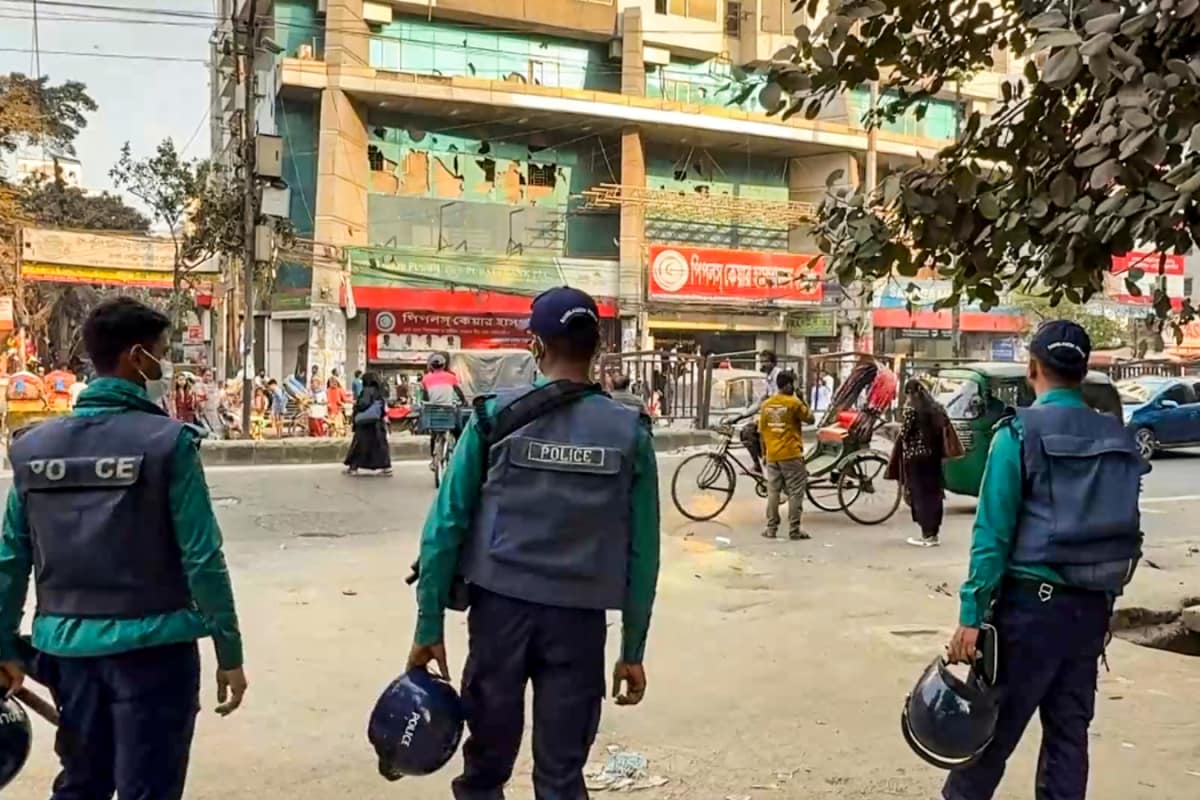
The garment sector in Bangladesh is experiencing significant turmoil as multiple factories in Gazipur, Savar, and Narayanganj have temporarily ceased operations. This disruption comes amid a notable decline in economic activity and rising concerns over internal security across the country. A detailed report from CNN-News18 highlights widespread labour unrest and deteriorating law and order, which are paralyzing key industrial and commercial hubs.
With the garment industry being vital to Bangladesh’s export-driven economy, these factory closures are particularly concerning. Management at various factories has cited worker safety, transport disruptions, and increasing insecurity as the primary reasons for their shutdowns. Companies linked to the Bashundhara Group, along with associated logistics operations, have also reduced shifts or halted production as a precautionary measure.
As a result, supply chains are facing significant disruptions. Sources indicate that uncertainty regarding night-time transport and fears of sabotage have forced many companies to operate well below capacity. The challenges extend beyond manufacturing. Fuel depots, transport firms, and cold storage facilities on the outskirts of Dhaka have suspended night operations entirely, citing security risks and lack of adequate policing, which has exacerbated logistical bottlenecks affecting the movement of goods and essential supplies.
Retail and wholesale trade is also under severe pressure. Shopping malls and wholesale markets in parts of Dhaka and Chattogram are closing early due to fears of vandalism, arson, and mob violence. Business owners report a sharp decline in customer footfall and increased concerns about operating after dark. Export-oriented small and medium enterprises, particularly those dealing in leather goods, plastics, and light engineering products, have halted dispatches, largely due to uncertainty at ports and acute labour shortages.
Several exporters are voicing fears that prolonged disruptions could lead to cancelled international orders, potentially damaging Bangladesh’s reputation as a reliable supplier. Alongside the economic downturn, the law and order situation has noticeably declined. Local intelligence assessments obtained by CNN-News18 warn that conditions may worsen after dark, with multiple political parties and extremist groups reportedly becoming more active and exploiting the weak enforcement environment.
Sources indicate that Islamic militant organizations are attempting to capitalize on the instability, using the unrest as a cover to expand their influence. Alarmingly, military sources have reported growing frustration and discontent among ranks, indicative of broader institutional stress. Accounts suggest that the police force is no longer functioning effectively, with allegations that the government has instructed police not to act decisively against student protesters and rioters. In many cases, police personnel are accused of remaining passive bystanders, further emboldening disruptive elements.
The unfolding situation in Bangladesh raises serious concerns about the potential long-term implications for the garment sector and the wider economy, as well as the overall stability of the country.

Imran Khan Calls for Nationwide Protests After 17-Year Sentence

Stocks Rise as Markets Stabilize; Analysts Recommend Key Buys

Navigating Tax Implications of Under-Construction and Ready Homes

Dinesh Vijan Reflects on Stree’s Success After Initial Rejection

Discover India’s Top 10 Medical Colleges for MBBS in 2026

Discover Stylish Woollen Pants for Women This Winter Season

Jaishankar Highlights India’s Growing Global Influence at Convocation

India Reforms Nuclear Policy with New SHANTI Act to Boost Capacity

Paige Bueckers and Dominique Malonga Team Up for Unrivaled Action

SBI Announces QIP Floor Price at ₹811.05 Per Share

Cept Unveils ₹3.1 Crore Urban Mobility Plan for Sustainable Growth

New Blood Group Discovered in South Indian Woman at Rotary Centre

Torrential Rains Cause Flash Flooding in New York and New Jersey

Konkani Cultural Organisation to Host Pearl Jubilee in Abu Dhabi

Broad Advocates for Bowling Change Ahead of Final Test Against India

Nothing Headphone 1 Review: A Bold Contender in Audio Design

Air India Crash Investigation Highlights Boeing Fuel Switch Concerns

Indian Stock Market Rebounds: Sensex and Nifty Rise After Four-Day Decline
-
 World5 months ago
SBI Announces QIP Floor Price at ₹811.05 Per Share
-
 Lifestyle5 months ago
Cept Unveils ₹3.1 Crore Urban Mobility Plan for Sustainable Growth
-
 Science5 months ago
New Blood Group Discovered in South Indian Woman at Rotary Centre
-
 World5 months ago
Torrential Rains Cause Flash Flooding in New York and New Jersey
-
 Top Stories5 months ago
Konkani Cultural Organisation to Host Pearl Jubilee in Abu Dhabi
-
 Sports5 months ago
Broad Advocates for Bowling Change Ahead of Final Test Against India
-
 Science5 months ago
Nothing Headphone 1 Review: A Bold Contender in Audio Design
-
 Top Stories5 months ago
Air India Crash Investigation Highlights Boeing Fuel Switch Concerns
-
 Business5 months ago
Indian Stock Market Rebounds: Sensex and Nifty Rise After Four-Day Decline
-

 Sports5 months ago
Cristian Totti Retires at 19: Pressure of Fame Takes Toll
-

 Politics5 months ago
Abandoned Doberman Finds New Home After Journey to Prague
-
 Top Stories5 months ago
Patna Bank Manager Abhishek Varun Found Dead in Well