
Top Stories
India Passes SHANTI Bill, Sparks Controversy Over Nuclear Liability

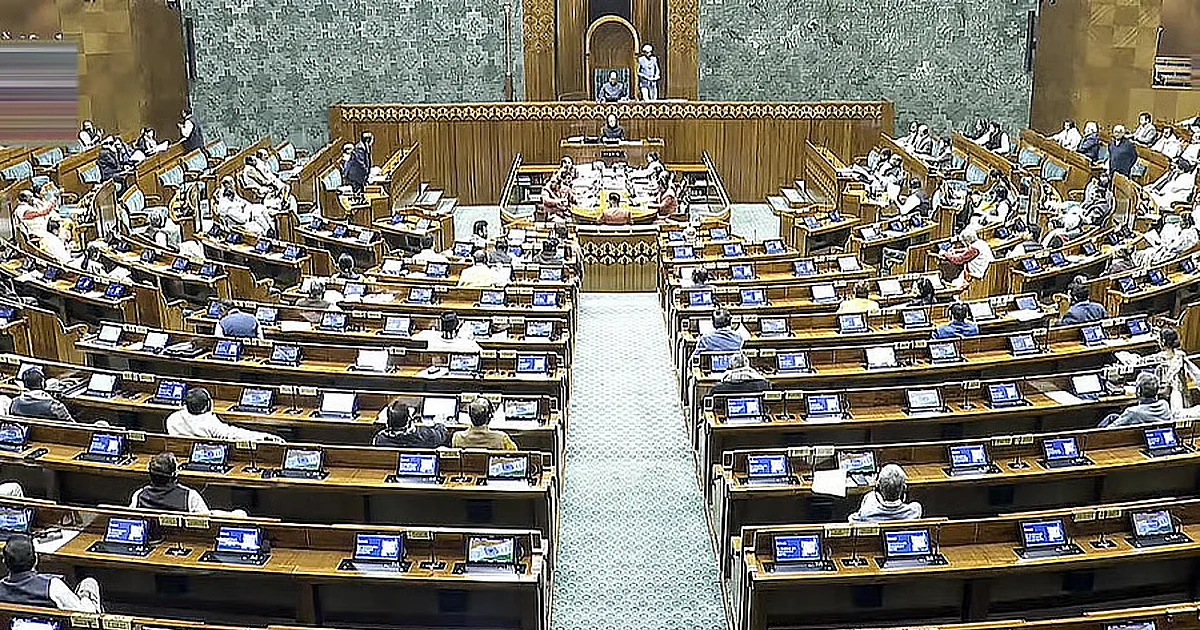
The Indian Parliament has recently passed the Sustainable Harnessing and Advancement of Nuclear Energy for Transforming India Bill 2025, commonly referred to as the SHANTI Bill. This legislation aims to liberalize the nuclear energy sector by facilitating private investment, but it has raised significant concerns among lawmakers regarding its provisions, particularly around supplier liability and safety measures.
Manish Tewari, a senior member of the Congress Party, has been vocal about the bill’s shortcomings. He identified three primary objectives of the SHANTI Bill: first, to open the nuclear sector to private investments; second, to eliminate the supplier liability clause established in 2010; and third, to exempt government-owned nuclear reactors from mandatory insurance coverage. Tewari expressed disbelief at the removal of the supplier liability clause, a safeguard that had garnered bipartisan support in the past. He described this move as granting suppliers a “free pass” at a time when the sector is being opened to private participation.
The financial implications of the bill also raise alarms. Tewari pointed out that the liability limit set at 300 million SDR (approximately USD 417 million) is significantly lower than the compensation awarded by the Supreme Court for the Bhopal gas disaster, which underscores the potential risks involved. He emphasized the need for stringent protocols regarding the storage and safety of spent nuclear fuel, which remains hazardous for thousands of years, and criticized the lack of explicit regulations outlined in the bill.
Concerns Over Regulatory Independence
During the parliamentary debate, several members accused the government of hastily pushing the SHANTI Bill through without adequate consultation. Tewari highlighted the importance of the Atomic Energy Regulatory Board (AERB) maintaining its autonomy, especially as private entities enter the sector. He argued that the independence of the AERB should have been a fundamental requirement, particularly given the potential risks associated with nuclear power plants.
The urgency behind passing the SHANTI Bill has led to speculation about the government’s motivations. Tewari suggested that the government might be yielding to foreign companies uncomfortable with existing liability protections, aiming to align India’s nuclear framework with international business interests. Such adjustments, he noted, could jeopardize the safety of Indian citizens and the communities surrounding nuclear facilities.
The government has countered that the 2010 law has hindered progress in nuclear energy development for the past 15 years. Tewari rebuffed this claim, asserting that rigorous safeguards are essential. He referenced historical nuclear incidents, including those at Three Mile Island and Chernobyl, to illustrate the catastrophic consequences that can arise from even minor oversights.
Future of India’s Nuclear Energy Sector
The SHANTI Bill merges provisions from both the original 1962 Nuclear Act and the Civil Nuclear Liability Act. Tewari criticized this approach, suggesting that updating these existing laws individually would have been more effective in ensuring robust regulatory frameworks.
As India positions itself to expand its nuclear energy capabilities, the implications of the SHANTI Bill will likely resonate across various sectors. The merger of these acts and the removal of key liability protections could shape the landscape of nuclear energy in the country for years to come. The debate surrounding this legislation underscores the delicate balance between fostering investment and ensuring public safety in a sector that carries significant risks.
With the passage of the SHANTI Bill, the future of India’s nuclear energy sector hangs in the balance, prompting calls for careful scrutiny and potential amendments to safeguard both industry interests and community welfare.

Imran Khan Calls for Nationwide Protests After 17-Year Sentence

Stocks Rise as Markets Stabilize; Analysts Recommend Key Buys

Navigating Tax Implications of Under-Construction and Ready Homes

Dinesh Vijan Reflects on Stree’s Success After Initial Rejection

Discover India’s Top 10 Medical Colleges for MBBS in 2026

Discover Stylish Woollen Pants for Women This Winter Season

Jaishankar Highlights India’s Growing Global Influence at Convocation

India Reforms Nuclear Policy with New SHANTI Act to Boost Capacity

Paige Bueckers and Dominique Malonga Team Up for Unrivaled Action

SBI Announces QIP Floor Price at ₹811.05 Per Share

Cept Unveils ₹3.1 Crore Urban Mobility Plan for Sustainable Growth

New Blood Group Discovered in South Indian Woman at Rotary Centre

Torrential Rains Cause Flash Flooding in New York and New Jersey

Konkani Cultural Organisation to Host Pearl Jubilee in Abu Dhabi

Broad Advocates for Bowling Change Ahead of Final Test Against India

Nothing Headphone 1 Review: A Bold Contender in Audio Design

Air India Crash Investigation Highlights Boeing Fuel Switch Concerns

Indian Stock Market Rebounds: Sensex and Nifty Rise After Four-Day Decline
-
 World5 months ago
SBI Announces QIP Floor Price at ₹811.05 Per Share
-
 Lifestyle5 months ago
Cept Unveils ₹3.1 Crore Urban Mobility Plan for Sustainable Growth
-
 Science5 months ago
New Blood Group Discovered in South Indian Woman at Rotary Centre
-
 World5 months ago
Torrential Rains Cause Flash Flooding in New York and New Jersey
-
 Top Stories5 months ago
Konkani Cultural Organisation to Host Pearl Jubilee in Abu Dhabi
-
 Sports5 months ago
Broad Advocates for Bowling Change Ahead of Final Test Against India
-
 Science5 months ago
Nothing Headphone 1 Review: A Bold Contender in Audio Design
-
 Top Stories5 months ago
Air India Crash Investigation Highlights Boeing Fuel Switch Concerns
-
 Business5 months ago
Indian Stock Market Rebounds: Sensex and Nifty Rise After Four-Day Decline
-

 Sports5 months ago
Cristian Totti Retires at 19: Pressure of Fame Takes Toll
-

 Politics5 months ago
Abandoned Doberman Finds New Home After Journey to Prague
-
 Top Stories5 months ago
Patna Bank Manager Abhishek Varun Found Dead in Well