
Top Stories
Examining the Legacy of New Americans in U.S. Foreign Policy

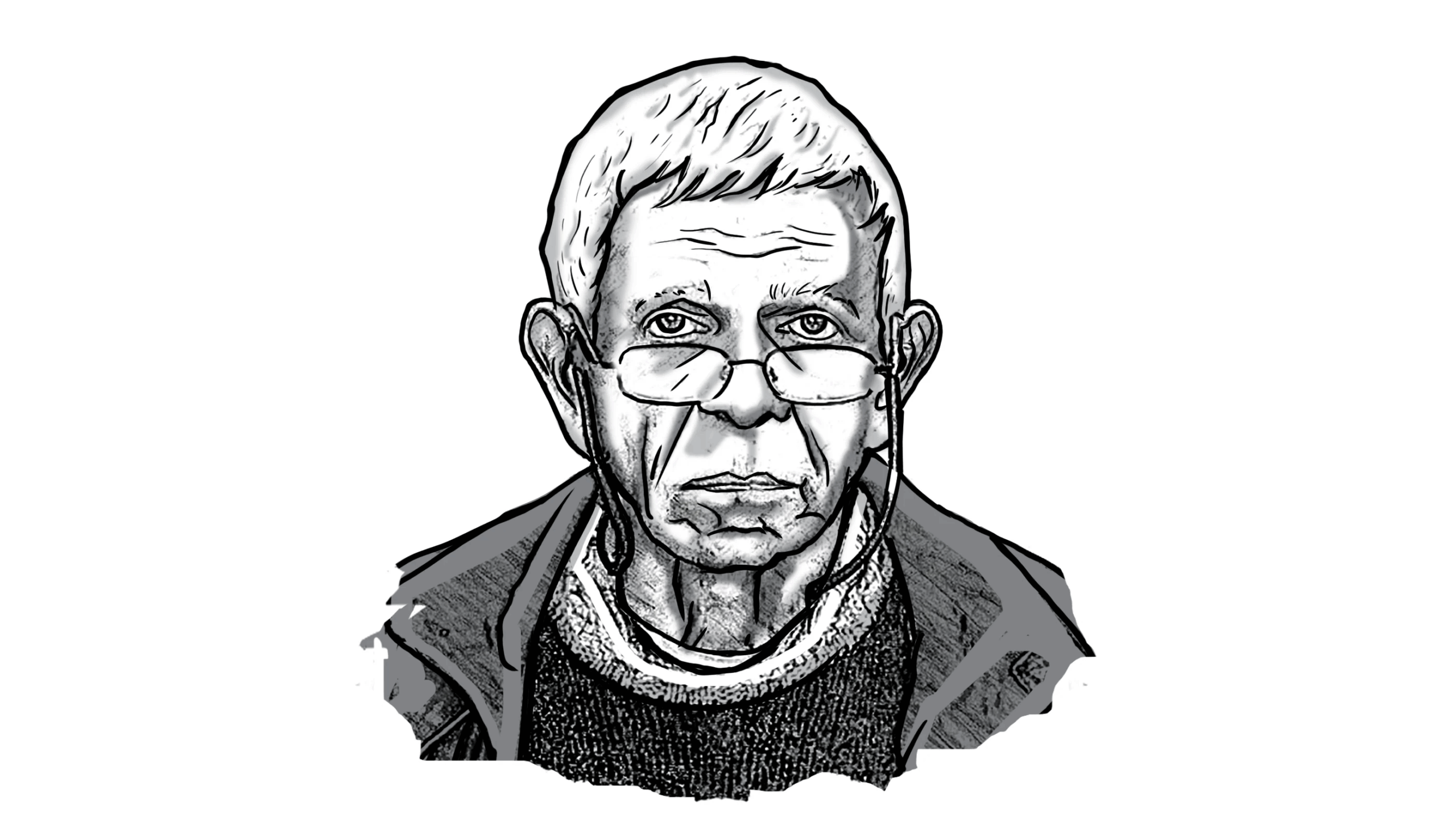
The complex legacy of U.S. foreign policy is significantly shaped by figures often referred to as “new Americans.” This term encompasses a range of influential leaders, including first-generation naturalized citizens and their children, who have played pivotal roles in shaping the nation’s approach to international relations and defense strategies. Their actions and decisions, spanning from military interventions to immigration policies, continue to provoke debate and scrutiny.
High-Profile Decisions and Their Consequences
During his presidency from 2009 to 2017, Barack Obama oversaw the deportation of more than 3 million non-citizens, marking him as the U.S. president with the highest number of deportations in history. His administration expanded drone operations significantly, launching what became known as a “covert war on terror” that dwarfed the previous administration’s efforts. Critics argue that Obama’s administration systematically underreported civilian casualties, treating victims differently based on their nationality. For instance, while he offered apologies for civilian deaths in Western nations, non-Western casualties often went unacknowledged.
This pattern of prioritizing certain lives over others has historical roots, exemplified by figures like Henry Kissinger, who, during the Vietnam War, orchestrated extensive bombing campaigns in Southeast Asia. Kissinger’s legacy includes a controversial stance on supporting authoritarian regimes in Latin America, which led to significant bloodshed and political turmoil.
Other influential leaders, such as Madeleine Albright, have also made headlines for their controversial statements. Albright, who served as U.S. Ambassador to the United Nations and later as Secretary of State, controversially justified the sanctions imposed on Iraq, stating that the deaths of over 500,000 children were a necessary price to pay for American interests. This statement continues to evoke criticism and reflects the moral complexities faced by policymakers.
The Role of Technology Leaders and Emerging Voices
In addition to political leaders, the tech industry has seen significant contributions from individuals who have become emblematic of American innovation. Leaders like Sundar Pichai of Google and Satya Nadella of Microsoft represent a new wave of immigrants who have shaped the digital landscape. While these individuals have been praised for their contributions to the economy, some critics argue that they have remained passive in the face of political upheaval, particularly during the Trump administration.
The actions of Stephen Miller, a senior advisor to Trump, have drawn attention for their harsh immigration policies. Miller’s approach included offering financial incentives to countries to accept deported individuals, raising ethical questions about the treatment of migrants.
As the political landscape continues to evolve, emerging voices like Zohran Mamdani, the newly elected mayor of New York City, may join the ranks of influential figures. Mamdani, whose father was expelled from Uganda during the regime of Idi Amin, could represent a shift towards a more inclusive and conscious leadership.
The discourse surrounding these “new Americans” is not only about their contributions but also about the implications of their policies. A critical examination invites comparisons to historical narratives, such as those found in John F. Kennedy’s “Profiles in Courage,” which celebrated brave political actions. In contrast, a modern sequel might explore what some label as “Profiles in Cowardice,” focusing on how certain leaders have navigated complex moral landscapes.
Critics of American foreign policy often echo sentiments expressed by British author Margaret Drabble, who articulated her deep discontent with U.S. actions globally. Drabble’s reflections on American imperialism and its consequences highlight the ongoing debate over morality in international relations.
The actions and decisions of these influential figures, spanning decades, illustrate a complicated relationship between American identity and its foreign policy. As the U.S. continues to navigate its role on the world stage, the legacy of these leaders will remain a focal point for discussion and analysis.

Charges Filed Against Sushil Kumar in IGP Bribery Case

BSF Foils Four Infiltration Attempts, Neutralizes Eight Terrorists

New Tax Bill Targets Pan Masala, Gutkha to Fund Health and Defence

Samantha Ruth Prabhu Ties the Knot with Raj Nidimoru in Intimate Ceremony

ChatGPT 5 Raises Alarm for Mental Health Guidance Failures

Ayurveda Offers Natural Solutions to Combat Urban Smog Challenges

Voter Roll Overhaul Sparks Crisis as BLOs Face Heavy Strain

India Takes Steps to Boost Rare-Earth Magnet Production Amid Dependency

Washington Sundar Struggles at No. 5 in India’s ODI Loss to South Africa

SBI Announces QIP Floor Price at ₹811.05 Per Share

Cept Unveils ₹3.1 Crore Urban Mobility Plan for Sustainable Growth

New Blood Group Discovered in South Indian Woman at Rotary Centre

Torrential Rains Cause Flash Flooding in New York and New Jersey

Konkani Cultural Organisation to Host Pearl Jubilee in Abu Dhabi

Broad Advocates for Bowling Change Ahead of Final Test Against India

Nothing Headphone 1 Review: A Bold Contender in Audio Design

Air India Crash Investigation Highlights Boeing Fuel Switch Concerns

Indian Stock Market Rebounds: Sensex and Nifty Rise After Four-Day Decline
-
 World5 months ago
SBI Announces QIP Floor Price at ₹811.05 Per Share
-
 Lifestyle5 months ago
Cept Unveils ₹3.1 Crore Urban Mobility Plan for Sustainable Growth
-
 Science4 months ago
New Blood Group Discovered in South Indian Woman at Rotary Centre
-
 World5 months ago
Torrential Rains Cause Flash Flooding in New York and New Jersey
-
 Top Stories5 months ago
Konkani Cultural Organisation to Host Pearl Jubilee in Abu Dhabi
-
 Sports4 months ago
Broad Advocates for Bowling Change Ahead of Final Test Against India
-
 Science5 months ago
Nothing Headphone 1 Review: A Bold Contender in Audio Design
-
 Top Stories5 months ago
Air India Crash Investigation Highlights Boeing Fuel Switch Concerns
-
 Business5 months ago
Indian Stock Market Rebounds: Sensex and Nifty Rise After Four-Day Decline
-

 Sports4 months ago
Cristian Totti Retires at 19: Pressure of Fame Takes Toll
-

 Politics5 months ago
Abandoned Doberman Finds New Home After Journey to Prague
-

 Top Stories5 months ago
Patna Bank Manager Abhishek Varun Found Dead in Well