
Top Stories
Election Commission Faces Backlash Over Stressful Voter Roll Revisions

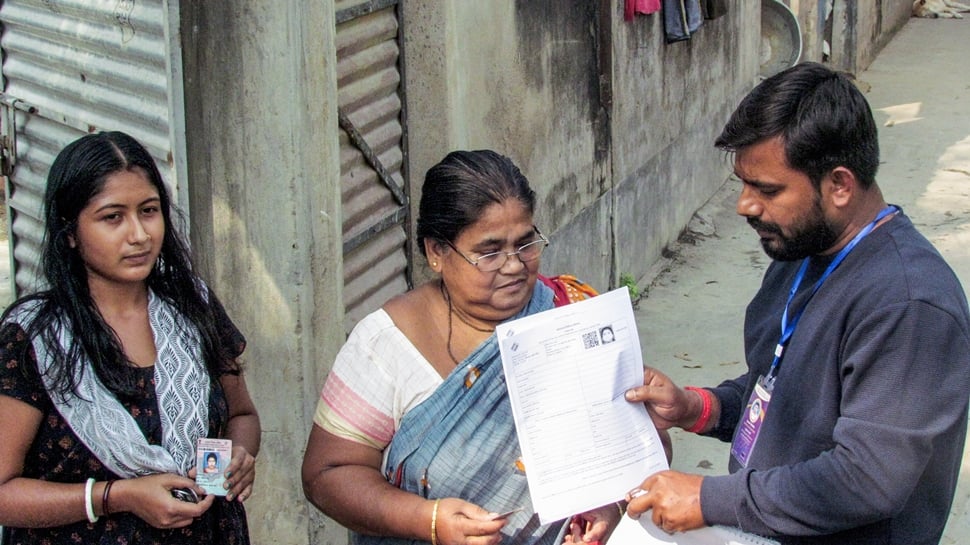
The Election Commission of India (ECI) has initiated a significant overhaul of the voter rolls across 12 states and Union Territories as part of the Special Intensive Revision (SIR) exercise. This ambitious project, launched in 2025, involves over 5.3 lakh Booth Level Officers (BLOs) verifying details for more than 51 crore voters. The primary goal is to eliminate duplicate entries and remove deceased or migrated voters ahead of the upcoming Assembly polls. While the objective of achieving a clean voter list is broadly accepted, the rapid pace and extensive scale of SIR have sparked considerable controversy.
The deadline for this extensive verification process has placed immense pressure on BLOs, who often juggle this responsibility alongside their regular jobs. Many are left feeling undertrained and overwhelmed, leading to tragic consequences. Reports indicate that in a matter of weeks, several BLOs have died, with some cases attributed to suicide and others linked to medical emergencies stemming from extreme stress. In one notable incident, a 46-year-old BLO in Uttar Pradesh’s Moradabad took his own life, citing the immense work pressure and unrealistic targets. Over a span of just 22 days, approximately 25 BLOs reportedly died across seven states, drawing sharp criticism from various quarters.
“The deaths and suicides are the consequence of ECI’s gross mismanagement of manpower during its present exercise,”
stated a BLO in a recent media feature, reflecting a growing sentiment that SIR has morphed into a burdensome task rather than a democratic initiative.
The ECI has responded to these concerns by extending the SIR deadline. On November 30, 2025, the commission announced that house-to-house verification and data collection would continue until December 11, an extension from the initial deadline of December 4. The publication of the draft electoral rolls has also been postponed to December 16, with the final voter list now scheduled for release on February 14, 2026.
Opposition leaders have voiced their outrage regarding the SIR implementation. Mallikarjun Kharge, President of the Indian National Congress, described the fatalities as a “deadly turn” in electoral malpractice, while Rahul Gandhi criticized SIR as “no reform, but an imposed tyranny.” He emphasized that the pressure placed on staff to meet excessive paperwork demands has led to what he termed “collateral damage.” Regional leaders, including Akhilesh Yadav, have accused the authorities of mismanagement and suggested that SIR is being manipulated to influence electoral rolls, particularly in areas with minority or marginalized populations.
In response to the mounting public outcry, the Election Commission has doubled the annual remuneration for BLOs from Rs 6,000 to Rs 12,000. Despite this increase, many feel that it does not adequately compensate for the mental stress and long working hours faced by these officers, who are often already stretched thin by their regular duties.
The ECI maintains that the SIR process is essential for updating voter rolls and eliminating fraudulent entries. Nevertheless, numerous concerns persist. Critics argue that the 30-day deadline for nationwide enumeration is unrealistic and that instructions provided to BLOs have been confusing and insufficient. This atmosphere can lead to human error and increased mental strain among officers tasked with this critical responsibility.
As the SIR process continues and the final voter rolls are expected to be published by early 2026, pressure is mounting on the ECI to reassess its approach. Opposition parties have called for a thorough investigation into the fatalities and an independent inquiry into systemic failures. Some have suggested compensation and government jobs for the families of deceased BLOs.
What began as an initiative to clean up the electoral rolls and bolster democracy now risks undermining public trust in the electoral process. The lives of those overseeing this task have become jeopardized, raising significant ethical questions about the management of elections in India.

Voter Roll Overhaul Sparks Crisis as BLOs Face Heavy Strain

India Takes Steps to Boost Rare-Earth Magnet Production Amid Dependency

Washington Sundar Struggles at No. 5 in India’s ODI Loss to South Africa

Malaysia’s Anwar Ibrahim Rules Out Major Cabinet Shake-Up

Election Commission Faces Backlash Over Stressful Voter Roll Revisions

Elon Musk Envisions Future Where Money Loses Its Power

Nitesh Rane Critiques Eknath Shinde Amid Rival Campaigning

India Can Lead Global HIV Response as New Treatments Emerge

WNBA and Players Association Extend CBA Negotiations Until January 9

SBI Announces QIP Floor Price at ₹811.05 Per Share

Cept Unveils ₹3.1 Crore Urban Mobility Plan for Sustainable Growth

New Blood Group Discovered in South Indian Woman at Rotary Centre

Torrential Rains Cause Flash Flooding in New York and New Jersey

Konkani Cultural Organisation to Host Pearl Jubilee in Abu Dhabi

Broad Advocates for Bowling Change Ahead of Final Test Against India

Nothing Headphone 1 Review: A Bold Contender in Audio Design

Air India Crash Investigation Highlights Boeing Fuel Switch Concerns

Indian Stock Market Rebounds: Sensex and Nifty Rise After Four-Day Decline
-
 World5 months ago
SBI Announces QIP Floor Price at ₹811.05 Per Share
-
 Lifestyle5 months ago
Cept Unveils ₹3.1 Crore Urban Mobility Plan for Sustainable Growth
-
 Science4 months ago
New Blood Group Discovered in South Indian Woman at Rotary Centre
-
 World5 months ago
Torrential Rains Cause Flash Flooding in New York and New Jersey
-
 Top Stories5 months ago
Konkani Cultural Organisation to Host Pearl Jubilee in Abu Dhabi
-
 Sports4 months ago
Broad Advocates for Bowling Change Ahead of Final Test Against India
-
 Science5 months ago
Nothing Headphone 1 Review: A Bold Contender in Audio Design
-
 Top Stories5 months ago
Air India Crash Investigation Highlights Boeing Fuel Switch Concerns
-
 Business5 months ago
Indian Stock Market Rebounds: Sensex and Nifty Rise After Four-Day Decline
-

 Sports4 months ago
Cristian Totti Retires at 19: Pressure of Fame Takes Toll
-

 Politics5 months ago
Abandoned Doberman Finds New Home After Journey to Prague
-
 Top Stories5 months ago
Patna Bank Manager Abhishek Varun Found Dead in Well