
Top Stories
China Revamps Foreign Trade Law to Enhance Global Trade Relations

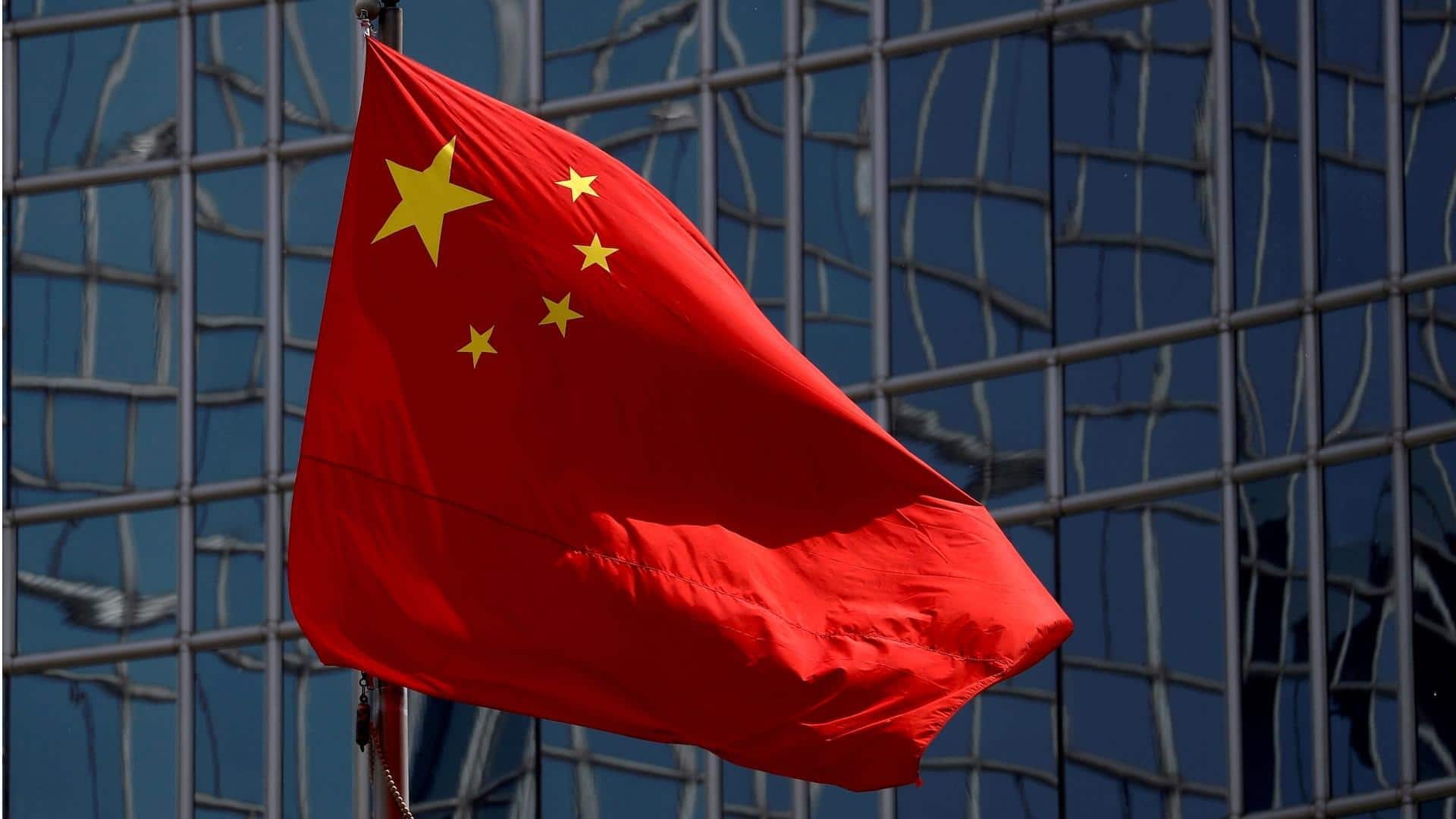
China’s legislative body has approved significant revisions to its Foreign Trade Law, a crucial step aimed at enhancing the nation’s trade capabilities. The updated law will take effect on March 1, 2026, as part of a broader strategy to align with international trade standards and to strengthen China’s position within the global economy.
The revisions come in response to the evolving dynamics of international commerce, particularly as China seeks to demonstrate its compliance with the Comprehensive and Progressive Agreement for Trans-Pacific Partnership (CPTPP). The Foreign Trade Law, initially adopted in 1994 and last amended in 2022, is being overhauled to equip policymakers with more effective tools to retaliate against trading partners that impose restrictions on Chinese exports.
One of the key features of the revised law is the introduction of negative lists, which will allow foreign firms to enter previously restricted sectors of the Chinese market. This mechanism is designed to promote transparency and accessibility for international businesses looking to invest in China. The legislation underscores the principle that foreign trade should contribute to national economic and social development while positioning China as a competitive trading nation.
Furthermore, the updated law expands the legal framework to address external challenges, particularly in sectors such as digital and green trade. It also includes enhanced protections for intellectual property, an area of growing concern as China navigates its trade relations. These improvements are essential for meeting the standards set by the CPTPP, which emphasizes high levels of trade liberalization among member countries.
The revisions reflect China’s response to increasing external pressures and its strategic goal of reducing dependency on the United States. As the global landscape shifts, China is also preparing for potential legal challenges from its burgeoning private sector, which has begun to voice criticisms regarding government policies. A Western trade diplomat, who has decades of experience working with China, noted that ministries are becoming increasingly aware of the need to justify actions taken against private companies, particularly in relation to export shipments.
Overall, the revised Foreign Trade Law represents a significant step in China’s ongoing efforts to modernize its trade policies and enhance its global economic standing. As the law is set to take effect in 2026, it will be closely monitored by international stakeholders looking to understand the implications for trade relations and market access in one of the world’s largest economies.

No Obstacles for BJP-Shiv Sena Alliance Ahead of BMC Elections

Adani Group Launches AI Centre of Excellence in Baramati

Liverpool Secures 2-1 Win Over Wolves, Extends Unbeaten Run

Powerful 7.0 Magnitude Earthquake Shakes Taiwan, Tsunami Alerts Issued

Liverpool Secures 2-1 Victory Over Wolves, Extends Unbeaten Streak

Government Warns SBI Customers About Fraudulent Rewards Messages

Sussex PR Crisis Escalates as Chief Communications Officer Resigns

Daily Habits Heighten Risk of Mouth Cancer: Key Factors to Avoid

Uttar Pradesh Launches Outreach Drive to Boost Employment Awareness

SBI Announces QIP Floor Price at ₹811.05 Per Share

Cept Unveils ₹3.1 Crore Urban Mobility Plan for Sustainable Growth

New Blood Group Discovered in South Indian Woman at Rotary Centre

Torrential Rains Cause Flash Flooding in New York and New Jersey

Konkani Cultural Organisation to Host Pearl Jubilee in Abu Dhabi

Nothing Headphone 1 Review: A Bold Contender in Audio Design

Broad Advocates for Bowling Change Ahead of Final Test Against India

Air India Crash Investigation Highlights Boeing Fuel Switch Concerns

Indian Stock Market Rebounds: Sensex and Nifty Rise After Four-Day Decline
-
 World5 months ago
SBI Announces QIP Floor Price at ₹811.05 Per Share
-
 Lifestyle6 months ago
Cept Unveils ₹3.1 Crore Urban Mobility Plan for Sustainable Growth
-
 Science5 months ago
New Blood Group Discovered in South Indian Woman at Rotary Centre
-
 World6 months ago
Torrential Rains Cause Flash Flooding in New York and New Jersey
-
 Top Stories6 months ago
Konkani Cultural Organisation to Host Pearl Jubilee in Abu Dhabi
-
 Science6 months ago
Nothing Headphone 1 Review: A Bold Contender in Audio Design
-
 Sports5 months ago
Broad Advocates for Bowling Change Ahead of Final Test Against India
-
 Top Stories6 months ago
Air India Crash Investigation Highlights Boeing Fuel Switch Concerns
-
 Business6 months ago
Indian Stock Market Rebounds: Sensex and Nifty Rise After Four-Day Decline
-

 Sports5 months ago
Cristian Totti Retires at 19: Pressure of Fame Takes Toll
-

 Politics5 months ago
Abandoned Doberman Finds New Home After Journey to Prague
-

 Top Stories6 months ago
Patna Bank Manager Abhishek Varun Found Dead in Well