
Sports
Washington Sundar Struggles at No. 5 in India’s ODI Loss to South Africa

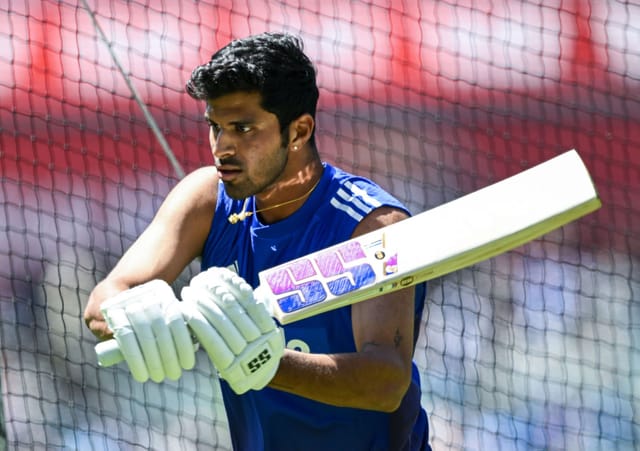
In the first One Day International against South Africa on November 30, 2025, at the JSCA International Stadium in Ranchi, Indian all-rounder Washington Sundar batted at No. 5 but struggled significantly. He managed to score only 13 runs from 19 balls, with a strike rate of 68.42, contributing to India’s difficulties during the match. Sundar was brought into the batting order due to the absence of Axar Patel, but his performance raised questions about the decision to promote him in a crucial position.
Challenges Faced by Sundar in the Middle Overs
When Sundar came to the crease, India was already facing pressure with the fall of their third wicket. The team needed stability to avoid a collapse, especially with a settled Virat Kohli at the other end. As the innings progressed, Sundar’s inability to rotate the strike became evident. He faced six balls without scoring before hitting a six, yet he continued to struggle against South African bowlers, particularly against pace.
During his brief innings, Sundar faced a total of 18 deliveries, of which seven were dot balls, and he only managed to score three singles. This performance was concerning, especially since Kohli was effectively rotating the strike on his end. The pressure was mounting, and Sundar’s inability to find form left India in a precarious position.
Analysis of Batting Order Decisions
Team India would typically benefit from having KL Rahul bat at No. 5, a position where he has proven his effectiveness. However, the decision to promote Sundar was influenced by the lack of left-handed batters to combat South Africa’s spinners. Although this strategy has previously worked well with Axar Patel, who has been effective against wrist and left-arm spinners, the Proteas fielded only one spinner in Prenelan Subrayen during this match.
In fact, Sundar’s record against pace bowling in the middle overs does not support his promotion to No. 5. He holds a strike rate of just 59.37 against pace in that phase, with a high dot ball percentage of 64.84. In his last two appearances at No. 4 in ODIs, he scored a mere 16 runs off 23 balls, averaging 8.00.
Although Sundar’s capabilities as a left-handed batter and spin bowler are notable, they do not necessarily translate to the role needed at No. 5. His recent batting form may be commendable, but Axar Patel’s experience and ability to rotate the strike are crucial in that position. Sundar’s ongoing development as a white-ball batter highlights the importance of placing players in roles that suit their strengths.
As the match unfolded, Sundar’s performance became a focal point for discussion among fans and analysts alike. The decision to promote him at a pivotal moment in the game did not yield the desired results, and it raises important questions about India’s batting strategy in future matches.

Voter Roll Overhaul Sparks Crisis as BLOs Face Heavy Strain

India Takes Steps to Boost Rare-Earth Magnet Production Amid Dependency

Washington Sundar Struggles at No. 5 in India’s ODI Loss to South Africa

Malaysia’s Anwar Ibrahim Rules Out Major Cabinet Shake-Up

Election Commission Faces Backlash Over Stressful Voter Roll Revisions

Elon Musk Envisions Future Where Money Loses Its Power

Nitesh Rane Critiques Eknath Shinde Amid Rival Campaigning

India Can Lead Global HIV Response as New Treatments Emerge

WNBA and Players Association Extend CBA Negotiations Until January 9

SBI Announces QIP Floor Price at ₹811.05 Per Share

Cept Unveils ₹3.1 Crore Urban Mobility Plan for Sustainable Growth

New Blood Group Discovered in South Indian Woman at Rotary Centre

Torrential Rains Cause Flash Flooding in New York and New Jersey

Konkani Cultural Organisation to Host Pearl Jubilee in Abu Dhabi

Broad Advocates for Bowling Change Ahead of Final Test Against India

Nothing Headphone 1 Review: A Bold Contender in Audio Design

Air India Crash Investigation Highlights Boeing Fuel Switch Concerns

Indian Stock Market Rebounds: Sensex and Nifty Rise After Four-Day Decline
-
 World5 months ago
SBI Announces QIP Floor Price at ₹811.05 Per Share
-
 Lifestyle5 months ago
Cept Unveils ₹3.1 Crore Urban Mobility Plan for Sustainable Growth
-
 Science4 months ago
New Blood Group Discovered in South Indian Woman at Rotary Centre
-
 World5 months ago
Torrential Rains Cause Flash Flooding in New York and New Jersey
-
 Top Stories5 months ago
Konkani Cultural Organisation to Host Pearl Jubilee in Abu Dhabi
-
 Sports4 months ago
Broad Advocates for Bowling Change Ahead of Final Test Against India
-
 Science5 months ago
Nothing Headphone 1 Review: A Bold Contender in Audio Design
-
 Top Stories5 months ago
Air India Crash Investigation Highlights Boeing Fuel Switch Concerns
-
 Business5 months ago
Indian Stock Market Rebounds: Sensex and Nifty Rise After Four-Day Decline
-

 Sports4 months ago
Cristian Totti Retires at 19: Pressure of Fame Takes Toll
-

 Politics5 months ago
Abandoned Doberman Finds New Home After Journey to Prague
-

 Top Stories5 months ago
Patna Bank Manager Abhishek Varun Found Dead in Well