
Science
Satellite Study Unveils Alarming PM2.5 Pollution Across India

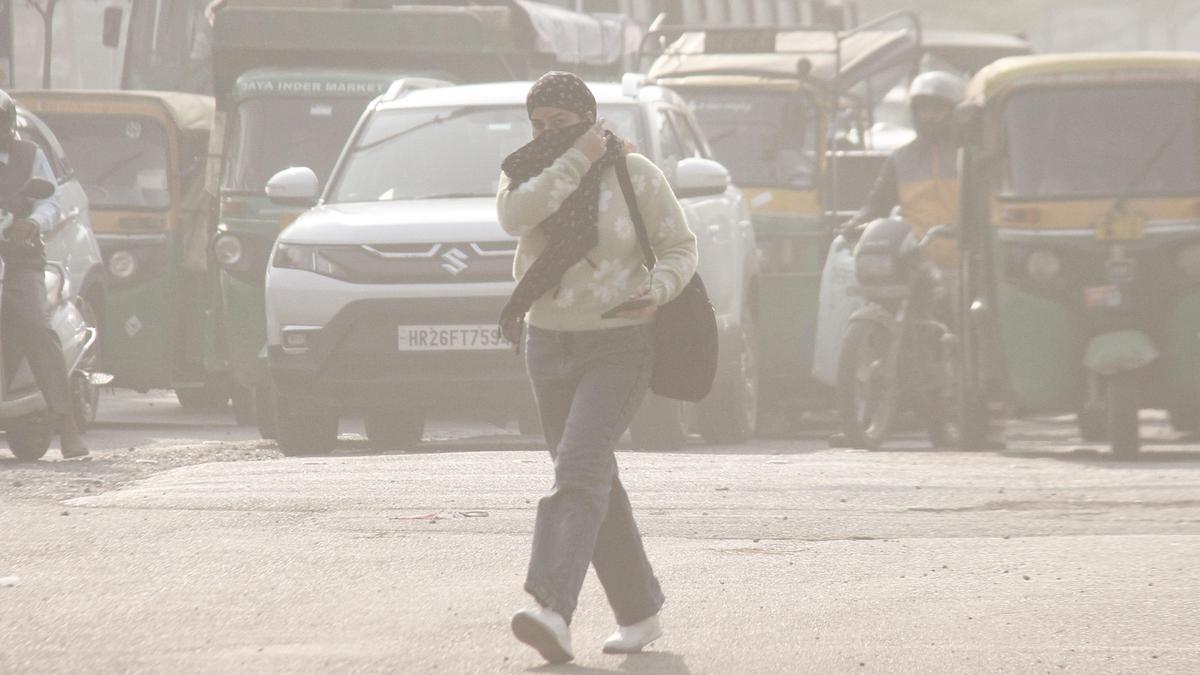
A comprehensive satellite assessment by the Centre for Research on Energy and Clean Air (CREA) has revealed extensive PM2.5 pollution across India’s districts, states, and airsheds. The report, titled “Beyond City Limits: A Satellite-Based PM2.5 Assessment Across India’s Airsheds, States, and Districts,” highlights that a staggering 60% of India’s districts exceed the annual National Ambient Air Quality Standard (NAAQS) for PM2.5, set at 40 micrograms per cubic meter (μg/m3). Alarmingly, none meet the World Health Organisation (WHO) guideline of 5 μg/m3.
The authors of the report, including Manoj Kumar, Monish Raj, Panda Rushwood, and Rosa Gierens, utilized population-weighted PM2.5 estimates derived from satellite data and ground measurements to assess annual and seasonal exposure levels. PM2.5 refers to fine particulate matter measuring 2.5 micrometres or less in diameter, serving as a critical indicator of air quality.
A striking aspect of the findings is the disparity in PM2.5 exposure among various regions. For instance, while Tiruppur in Tamil Nadu recorded an annual mean of 21 μg/m3, the Northwest districts of Delhi reported an alarming 112 μg/m3. The report identifies several states and union territories, including Delhi, Assam, and Punjab, as having universal non-compliance with air quality standards.
Key Findings and Regional Disparities
The analysis indicates that 28 out of 33 states and union territories assessed have at least one district exceeding the NAAQS. Notably, Delhi ranks as the most polluted area, with a population-weighted annual PM2.5 of 101 μg/m3, which is 2.5 times the NAAQS and 20 times the WHO guideline. States located in the Indo-Gangetic Plain, including Chandigarh and Haryana, consistently show averages above the NAAQS.
The report also reveals that the top 50 most polluted districts are primarily concentrated in Delhi and Assam, each contributing 11 districts to the list. Other contributors include Haryana and Bihar, each with seven districts. The seasonal analysis highlights significant variations, with 82% of districts exceeding the NAAQS during winter months, primarily due to stagnant weather and increased emissions.
During the monsoon season, conditions improve, with only 10% of districts exceeding the standards. However, this improvement is not uniform; some regions, such as Assam and Tripura, continue to face elevated PM2.5 levels even during this period.
Addressing the Pollution Challenge
The report emphasizes the need for comprehensive air quality management beyond city boundaries. It advocates for the establishment of governance frameworks based on airsheds—regions where air moves and mixes in common patterns. This approach aims to enhance coordination among neighboring jurisdictions to tackle pollution collectively.
According to the study, without integrating satellite monitoring into the National Clean Air Programme (NCAP) and establishing sectoral emission targets, millions of people in non-metropolitan areas will remain vulnerable to chronic pollution exposure. To address these challenges, CREA is developing near real-time tools, including daily PM2.5 concentration maps for India, which will soon be made publicly available. These tools aim to support policymakers, researchers, and citizens in tracking pollution patterns and fostering data-driven air quality management.
The report also points out potential biases in ground monitoring, particularly in underrepresented industrial areas. It highlights that while Delhi’s dense monitoring aligns well with satellite-derived PM2.5 data, many states with fewer monitoring stations risk missing crucial local variations.
In light of these findings, CREA recommends several policy actions, including the development of district-level clean air action plans and the formal integration of satellite-derived data into existing frameworks. The report underscores the importance of targeting regional emission sources such as power generation and transportation, particularly in the Indo-Gangetic Plain and northeastern states.
As India grapples with its air quality crisis, the findings from CREA’s satellite assessment could serve as a crucial benchmark for improving air quality management, ultimately striving for cleaner air for millions of residents.

Charges Filed Against Sushil Kumar in IGP Bribery Case

BSF Foils Four Infiltration Attempts, Neutralizes Eight Terrorists

New Tax Bill Targets Pan Masala, Gutkha to Fund Health and Defence

Samantha Ruth Prabhu Ties the Knot with Raj Nidimoru in Intimate Ceremony

ChatGPT 5 Raises Alarm for Mental Health Guidance Failures

Ayurveda Offers Natural Solutions to Combat Urban Smog Challenges

Voter Roll Overhaul Sparks Crisis as BLOs Face Heavy Strain

India Takes Steps to Boost Rare-Earth Magnet Production Amid Dependency

Washington Sundar Struggles at No. 5 in India’s ODI Loss to South Africa

SBI Announces QIP Floor Price at ₹811.05 Per Share

Cept Unveils ₹3.1 Crore Urban Mobility Plan for Sustainable Growth

New Blood Group Discovered in South Indian Woman at Rotary Centre

Torrential Rains Cause Flash Flooding in New York and New Jersey

Konkani Cultural Organisation to Host Pearl Jubilee in Abu Dhabi

Broad Advocates for Bowling Change Ahead of Final Test Against India

Nothing Headphone 1 Review: A Bold Contender in Audio Design

Air India Crash Investigation Highlights Boeing Fuel Switch Concerns

Indian Stock Market Rebounds: Sensex and Nifty Rise After Four-Day Decline
-
 World5 months ago
SBI Announces QIP Floor Price at ₹811.05 Per Share
-
 Lifestyle5 months ago
Cept Unveils ₹3.1 Crore Urban Mobility Plan for Sustainable Growth
-
 Science4 months ago
New Blood Group Discovered in South Indian Woman at Rotary Centre
-
 World5 months ago
Torrential Rains Cause Flash Flooding in New York and New Jersey
-
 Top Stories5 months ago
Konkani Cultural Organisation to Host Pearl Jubilee in Abu Dhabi
-
 Sports4 months ago
Broad Advocates for Bowling Change Ahead of Final Test Against India
-
 Science5 months ago
Nothing Headphone 1 Review: A Bold Contender in Audio Design
-
 Top Stories5 months ago
Air India Crash Investigation Highlights Boeing Fuel Switch Concerns
-
 Business5 months ago
Indian Stock Market Rebounds: Sensex and Nifty Rise After Four-Day Decline
-

 Sports4 months ago
Cristian Totti Retires at 19: Pressure of Fame Takes Toll
-

 Politics5 months ago
Abandoned Doberman Finds New Home After Journey to Prague
-

 Top Stories5 months ago
Patna Bank Manager Abhishek Varun Found Dead in Well