
Science
Astronomy Breakthroughs in 2025: New Comets and Life Signs on Mars

The year 2025 marked a pivotal moment in astronomy, yielding significant discoveries that expanded our understanding of the universe. Notably, scientists successfully tracked Comet 3I/ATLAS, which is only the third known hyperbolic comet to visit our solar system. This remarkable event raised excitement among astronomers and space enthusiasts alike, showcasing advancements in tracking celestial bodies.
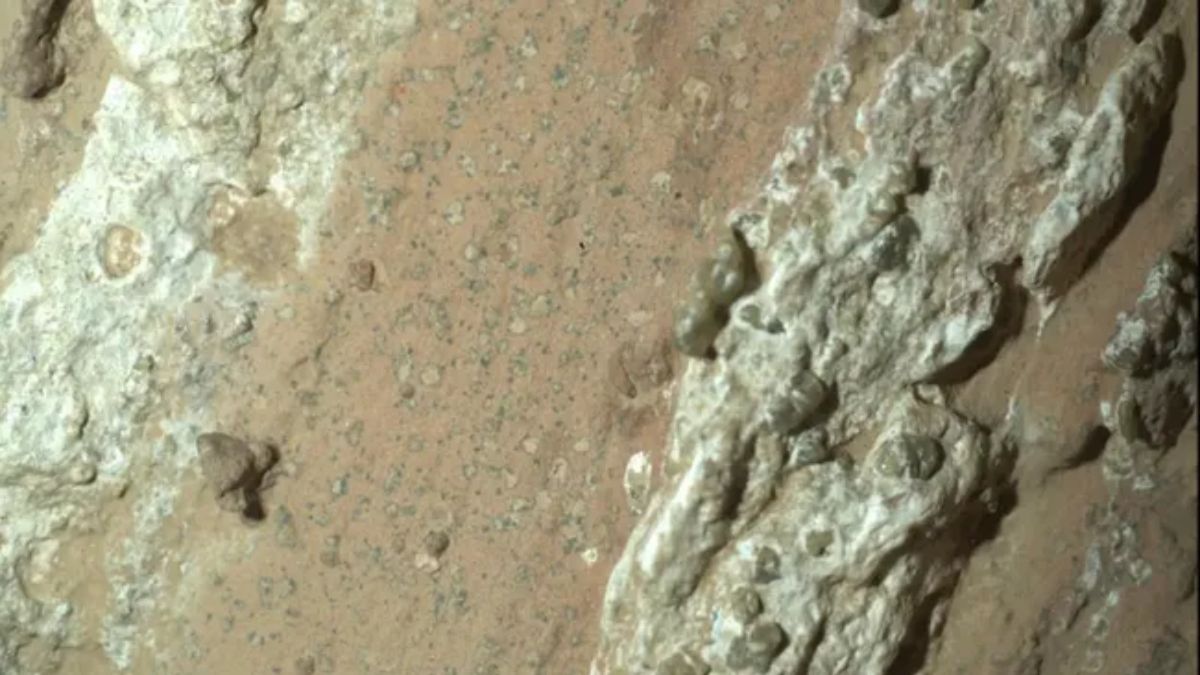
In addition to the comet, researchers made groundbreaking discoveries on Mars. The Perseverance Rover detected possible signs of ancient microbial life in sediment samples. This evidence, combined with data from the James Webb Space Telescope and the Hubble Space Telescope, suggests that Mars may have once harbored conditions suitable for life. These findings have profound implications for our understanding of life beyond Earth.
Comet 3I/ATLAS: A Celestial Marvel
Discovered in early 2025, Comet 3I/ATLAS captured the attention of scientists and the public. Its trajectory indicated that it originated from outside our solar system, making it a hyperbolic comet. Tracking its path required advanced techniques and global collaboration, with numerous observatories contributing to the effort.
The comet’s closest approach to Earth occurred in May, bringing it within approximately 100 million kilometers. Astronomers utilized various telescopes, including those operated by the European Space Agency (ESA) and NASA, to gather data and study its composition. Observations revealed a complex structure, with a bright coma and a long tail, further fueling interest in its origins and journey.
Life on Mars: A Glimpse into the Past
The search for extraterrestrial life took a significant leap forward with findings from Perseverance Rover. An analysis of rock samples collected from the Jezero Crater revealed organic compounds that, while not definitive proof of life, indicate that the planet may have supported microbial organisms in its ancient past.
According to NASA scientists, these compounds could be remnants of biological activity, dating back billions of years when Mars had a warmer and wetter climate. The rover’s mission has been crucial in gathering evidence about the planet’s geological history and potential habitability.
The implications of these discoveries are vast. They not only enhance our understanding of Mars but also raise questions about the potential for life on other planets. As scientists continue to analyze data from the Kepler Space Telescope and other missions, the pursuit of knowledge about life beyond Earth remains at the forefront of astronomical research.
In summary, 2025 has been a landmark year for astronomy, with the tracking of Comet 3I/ATLAS and the promising signs of life on Mars. These developments reflect the relentless curiosity of scientists and the advancements in technology that allow us to explore our universe in unprecedented ways. The discoveries made this year not only deepen our understanding of our cosmic surroundings but also inspire future generations to continue the exploration of space.

Australia, US, and UK Warn of Fake Rabies Vaccine from India

CIET-NCERT Unveils New Nano Course to Enhance Digital Education

Baltimore Orioles Secure Zach Eflin with $10M Deal Ahead of 2026 Season

Amit Shah Accuses Congress of Exploiting Bangladeshi Migrants

Anthony Joshua Involved in Fatal Car Accident in Nigeria

Gold and Silver Prices Drop as Investors Book Profits

Karan Johar Praises ‘Dhurandhar’ for Inspiring Filmmaking Reflection

India Introduces National Security Cess Bill 2025 for Health Funding

INSV Kaundinya Sets Sail on Historic Voyage to Oman

SBI Announces QIP Floor Price at ₹811.05 Per Share

Cept Unveils ₹3.1 Crore Urban Mobility Plan for Sustainable Growth

New Blood Group Discovered in South Indian Woman at Rotary Centre

Torrential Rains Cause Flash Flooding in New York and New Jersey

Konkani Cultural Organisation to Host Pearl Jubilee in Abu Dhabi

Nothing Headphone 1 Review: A Bold Contender in Audio Design

Broad Advocates for Bowling Change Ahead of Final Test Against India

Air India Crash Investigation Highlights Boeing Fuel Switch Concerns

Indian Stock Market Rebounds: Sensex and Nifty Rise After Four-Day Decline
-
 World6 months ago
SBI Announces QIP Floor Price at ₹811.05 Per Share
-
 Lifestyle6 months ago
Cept Unveils ₹3.1 Crore Urban Mobility Plan for Sustainable Growth
-
 Science5 months ago
New Blood Group Discovered in South Indian Woman at Rotary Centre
-
 World6 months ago
Torrential Rains Cause Flash Flooding in New York and New Jersey
-
 Top Stories6 months ago
Konkani Cultural Organisation to Host Pearl Jubilee in Abu Dhabi
-
 Science6 months ago
Nothing Headphone 1 Review: A Bold Contender in Audio Design
-
 Sports5 months ago
Broad Advocates for Bowling Change Ahead of Final Test Against India
-
 Top Stories6 months ago
Air India Crash Investigation Highlights Boeing Fuel Switch Concerns
-
 Business6 months ago
Indian Stock Market Rebounds: Sensex and Nifty Rise After Four-Day Decline
-

 Sports5 months ago
Cristian Totti Retires at 19: Pressure of Fame Takes Toll
-

 Politics6 months ago
Abandoned Doberman Finds New Home After Journey to Prague
-

 Top Stories6 months ago
Patna Bank Manager Abhishek Varun Found Dead in Well