
Lifestyle
Chief Justice Gavai Retires, Emphasizes Consultation Over Government Roles

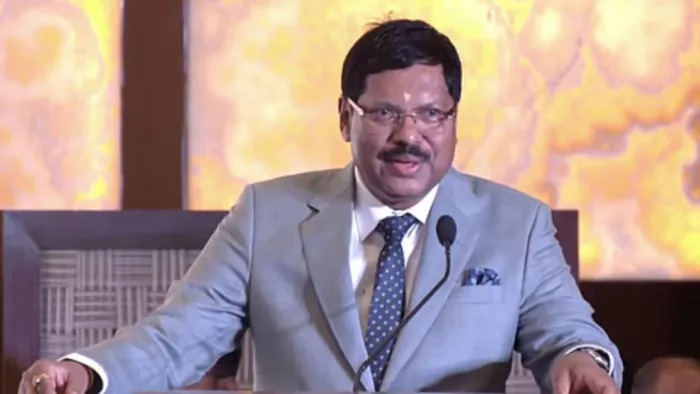
Chief Justice of India B.R. Gavai announced his retirement plans during a farewell address to the Supreme Court Bar Association, stating he will pursue opportunities in consultation and arbitration while declining any government positions. Gavai expressed his intention to spend more time in his home regions of Darapur, Amravati, and Nagpur, aligning with a commitment he made with fellow justices to maintain judicial integrity by not accepting post-retirement government roles.
Reflecting on his judicial career, Gavai described his approach as a continuous effort to balance fundamental rights with directive principles. He credited the teachings of Dr. B.R. Ambedkar and the influence of his father, Ramkrishna Suryabhan Gavai, for shaping his understanding of constitutional values. Gavai defended key judgments that he believed were pivotal in the legal landscape, including those concerning “bulldozer justice” and the controversial concept of a “creamy layer” within Scheduled Castes for reservation benefits.
In his remarks, Gavai emphasized that the right to shelter, as outlined in Article 21 of the Indian Constitution, extends beyond the individual to include family members, even in cases where a person has been convicted. He discussed the “creamy layer” issue, underscoring the necessity of addressing disparities among Scheduled Castes to foster true equality.
During his farewell speech, Gavai shared personal anecdotes that highlighted his values and experiences. He fondly remembered his father, who was associated with Dr. Ambedkar, and mentioned his son, Shreyas Gavai, in the context of discussing equitable competition among individuals from different backgrounds. Gavai recounted the story of a law clerk from the Scheduled Caste community who chose not to utilize reservation benefits due to his privileged upbringing.
Members of the legal community praised Gavai for his contributions to the profession, particularly for restoring dignity and maintaining accessibility within the judiciary. Vikas Singh, President of the Supreme Court Bar Association, noted Gavai’s belief that the bar and the bench are intrinsically connected, reflecting a commitment to justice and a deeply rooted sense of “Indianness” in his judicial philosophy.
As Gavai concludes his distinguished 40-year career, he remarked that he entered the legal profession as a “student of law” and retires as a “student of justice,” underscoring his lifelong dedication to the principles of fairness and equity in the judiciary.

Swiss Voters Reject Hefty Inheritance Tax Amid Public Opposition

Archaeologists Uncover 2,000-Year-Old Papyrus in Egyptian Coffin

Bijan Robinson Dominates Week 13, Davante Adams Sets New Record

Stockton Mass Shooting Claims Four Lives; Mayor Issues Stark Warning

Health Insights for December 1, 2025: Wellness Predictions for All Signs

Indian Government Supports Air Passengers in ₹50,000 Crore Suit

Shehbaz Badesha Eliminated from Bigg Boss 19; Amaal Mallik Reacts

India to Introduce New Cess on Tobacco and Pan Masala Products

Ram Kamal Mukherjee Celebrates Cinema at IFFI 2025

SBI Announces QIP Floor Price at ₹811.05 Per Share

Cept Unveils ₹3.1 Crore Urban Mobility Plan for Sustainable Growth

New Blood Group Discovered in South Indian Woman at Rotary Centre

Torrential Rains Cause Flash Flooding in New York and New Jersey

Konkani Cultural Organisation to Host Pearl Jubilee in Abu Dhabi

Broad Advocates for Bowling Change Ahead of Final Test Against India

Nothing Headphone 1 Review: A Bold Contender in Audio Design

Air India Crash Investigation Highlights Boeing Fuel Switch Concerns

Indian Stock Market Rebounds: Sensex and Nifty Rise After Four-Day Decline
-
 World5 months ago
SBI Announces QIP Floor Price at ₹811.05 Per Share
-
 Lifestyle5 months ago
Cept Unveils ₹3.1 Crore Urban Mobility Plan for Sustainable Growth
-
 Science4 months ago
New Blood Group Discovered in South Indian Woman at Rotary Centre
-
 World5 months ago
Torrential Rains Cause Flash Flooding in New York and New Jersey
-
 Top Stories5 months ago
Konkani Cultural Organisation to Host Pearl Jubilee in Abu Dhabi
-
 Sports4 months ago
Broad Advocates for Bowling Change Ahead of Final Test Against India
-
 Science5 months ago
Nothing Headphone 1 Review: A Bold Contender in Audio Design
-
 Top Stories5 months ago
Air India Crash Investigation Highlights Boeing Fuel Switch Concerns
-
 Business5 months ago
Indian Stock Market Rebounds: Sensex and Nifty Rise After Four-Day Decline
-

 Sports4 months ago
Cristian Totti Retires at 19: Pressure of Fame Takes Toll
-

 Politics5 months ago
Abandoned Doberman Finds New Home After Journey to Prague
-
 Top Stories5 months ago
Patna Bank Manager Abhishek Varun Found Dead in Well