
Health
Rethinking India’s Diet: Addressing the Diabetes Epidemic

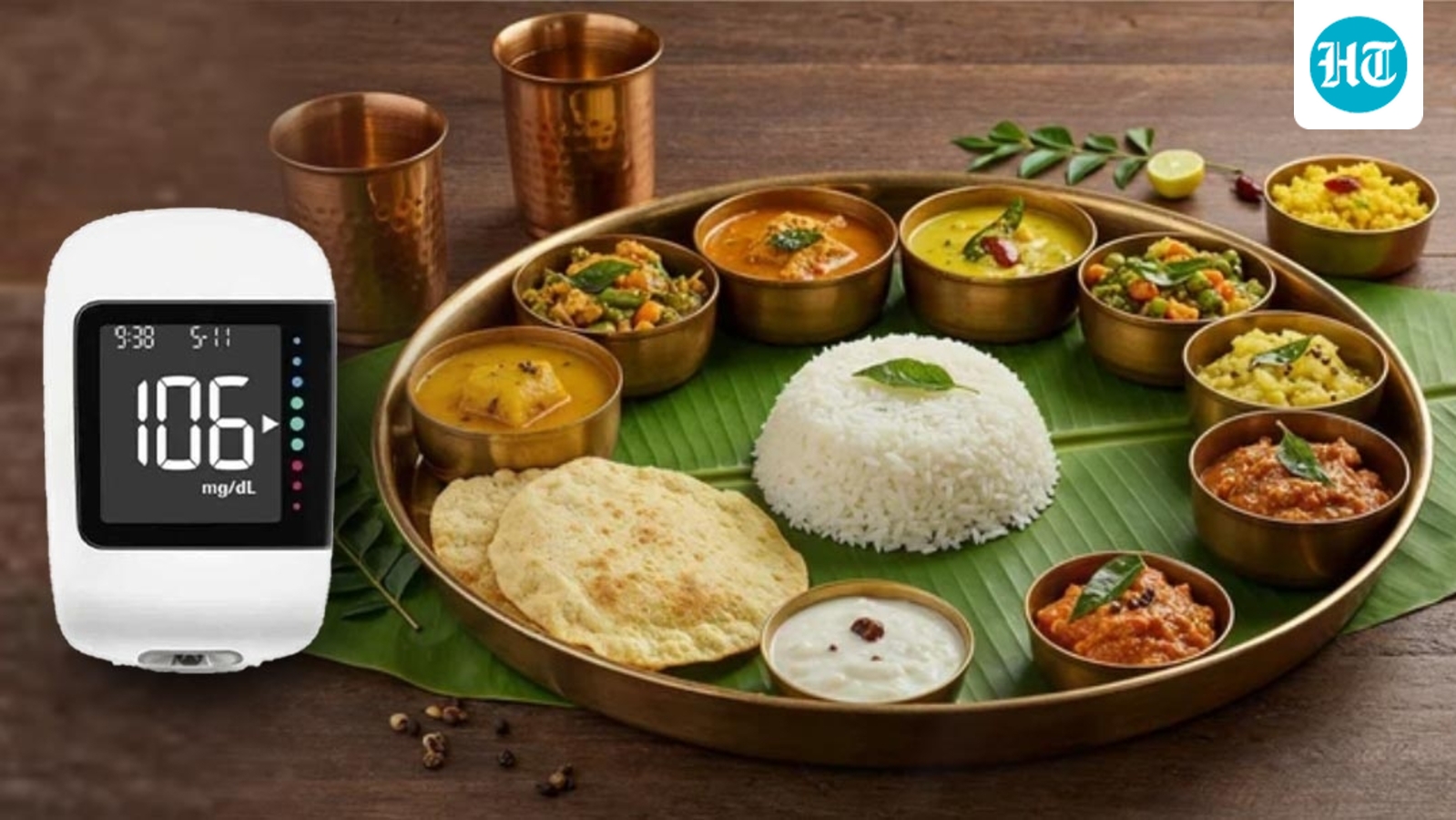
India is facing a significant public health challenge as dietary shifts contribute to a rising incidence of type 2 diabetes. Over the past few generations, traditional diets centered around whole grains and pulses have increasingly given way to refined, calorie-dense foods. This transformation in eating habits has sparked concern among health professionals, who suggest that the nation’s changing food landscape may be reshaping its overall health.
The evolution of India’s diet reflects broader societal changes. Following the Green Revolution of the 1960s, which made rice and wheat staples more accessible, the country transitioned from the ration queues of the post-independence era to the abundance found in modern supermarkets. As a result, while hunger has diminished, a new imbalance has emerged. This phenomenon, often termed a “nutrition transition,” suggests that dietary changes have outpaced the body’s metabolic adaptations.
Shifts in Food Consumption Patterns
Traditional Indian meals typically featured millets, pulses, and fresh vegetables sourced from local markets. However, contemporary diets have shifted dramatically. Data shows that millets, which once accounted for nearly 25% of rural calorie intake, plummeted to about 6% by 2011. Urban diets experienced an even steeper decline in the consumption of these nutrient-dense foods.
On average, urban adults now consume approximately 289 grams of carbohydrates daily, with rural populations exceeding 350 grams. A staggering 73% of urban and 80% of rural carbohydrate intake derives from refined foods like white rice and polished wheat flour. This trend has led to a significant decline in dietary fibre, proteins, and micronutrients, resulting in meals that are high in starch and low in essential nutrients.
Research indicates that high carbohydrate consumption is linked to an increased risk of developing type 2 diabetes. While this study does not establish a direct causal relationship, it highlights the strain that refined carbohydrates place on the body’s ability to regulate blood sugar, particularly when combined with sedentary lifestyles.
The Role of Refined Grains and Nutritional Deficiencies
Rice, a staple food in India, holds cultural significance beyond mere sustenance. The highly polished white rice commonly consumed today is known to elevate blood glucose levels more rapidly than its less processed counterparts. Studies suggest that substituting white rice with brown rice or combining it with lentils can improve blood sugar and cholesterol levels, particularly for individuals with obesity or metabolic syndrome. Yet, brown rice remains a rarity on Indian dining tables.
Despite being one of the largest producers of pulses globally, India faces a significant protein gap. Economic factors and taste preferences hinder many families from incorporating sufficient pulses and dairy into their diets. More than half of total protein intake continues to come from cereals, which lack essential amino acids. Estimates suggest that one in three rural Indians may not meet their daily protein requirements, highlighting the need for a diet richer in legumes and dairy products, which have been linked to improved metabolic health.
Additionally, the increase in fat consumption is concerning, with urban populations deriving about 25% of daily calories from fats. The type of fat consumed is equally important; reliance on refined vegetable oils may not provide the necessary balance of fatty acids. Research from Chennai indicates that individuals who exclusively use sunflower oil may exhibit higher rates of metabolic syndrome compared to those who use a variety of cooking oils.
As the consumption of processed foods has risen, the nutritional quality of diets has declined. National surveys reveal that while the recommended intake of vegetables and fruits is 350 grams and 150 grams per day, respectively, average consumption is only 265 grams. This discrepancy suggests that while calorie intake has increased, the quality of nutrition has diminished, contributing to rising diabetes rates across the nation.
Addressing Lifestyle and Accessibility Challenges
Lifestyle factors play a crucial role in the diabetes epidemic. Urbanization and sedentary jobs have reduced physical activity, amplifying dietary risks. Even moderate exercise can mitigate the effects of high-carbohydrate diets, but many individuals struggle to incorporate physical activity into their daily routines.
Government initiatives, such as the National Programme for Prevention and Control of Cancer, Diabetes, Cardiovascular Diseases and Stroke (NPCDCS), aim to tackle these challenges, targeting a 25% reduction in premature deaths from lifestyle-related diseases by 2025. Additionally, the Food Safety and Standards Authority of India (FSSAI) is advocating for clearer food labeling and restrictions on trans fats.
Nonetheless, affordability remains a significant barrier to accessing nutritious foods. Approximately 63% of rural households may be unable to afford a balanced diet, even if they dedicate their entire income to food. This underscores the intertwined nature of access and awareness in addressing dietary challenges.
Efforts to improve dietary habits in India do not require radical changes but rather a return to traditional practices. Researchers suggest reintroducing millets, increasing the intake of pulses and vegetables, reducing reliance on refined grains, and diversifying cooking oils. These incremental adjustments could help restore balance to dietary patterns.
Moreover, addressing gender disparities in food consumption within households is essential. Cultural norms often dictate that women eat last, potentially compromising their nutritional intake. Changing this practice could have a profound impact on overall family health.
The rise of type 2 diabetes in India cannot be attributed to a single factor but is the culmination of various dietary and lifestyle shifts. To combat this growing public health concern, a collective effort involving families, communities, policymakers, and the food industry is necessary. Expanding access to affordable, nutrient-rich foods may be one of the most effective strategies to mitigate the diabetes epidemic.
In summary, India’s dietary evolution mirrors its economic growth, characterized by rapid changes and uneven distribution. The abundance that once symbolized progress now poses challenges to health. By embracing small yet significant dietary adjustments—such as returning to whole grains, incorporating pulses into meals, and prioritizing seasonal vegetables—India can work towards restoring the balance between nourishment and abundance. The time to act is now, not through deprivation, but through a rediscovery of the dietary practices that once supported the nation’s health.

Salman Khan’s E-Bike Adventure Goes Viral After Birthday Bash

Clascoterone Emerges as Promising Treatment for Hair Loss

Reliance Foundation Awards 5,100 Scholarships for 2025-26 Cycle

Father-in-Law Allegedly Stabs Wife and Daughter-in-Law in Punjab

Cutting-Edge SVF Therapy Revolutionizes Hair Regrowth Solutions

Magnus Carlsen’s Frustration Boils Over After Loss to Artemiev

Swadeshi Festival 2025 Celebrates Culture, Health, and Sports

Commuter Safety at Risk on NH-44 Due to Poor Road Conditions

Influencer Melissa Mae Carlton Mourns Loss of Daughter Molly

SBI Announces QIP Floor Price at ₹811.05 Per Share

Cept Unveils ₹3.1 Crore Urban Mobility Plan for Sustainable Growth

New Blood Group Discovered in South Indian Woman at Rotary Centre

Torrential Rains Cause Flash Flooding in New York and New Jersey

Konkani Cultural Organisation to Host Pearl Jubilee in Abu Dhabi

Nothing Headphone 1 Review: A Bold Contender in Audio Design

Broad Advocates for Bowling Change Ahead of Final Test Against India

Air India Crash Investigation Highlights Boeing Fuel Switch Concerns

Indian Stock Market Rebounds: Sensex and Nifty Rise After Four-Day Decline
-
 World5 months ago
SBI Announces QIP Floor Price at ₹811.05 Per Share
-
 Lifestyle6 months ago
Cept Unveils ₹3.1 Crore Urban Mobility Plan for Sustainable Growth
-
 Science5 months ago
New Blood Group Discovered in South Indian Woman at Rotary Centre
-
 World6 months ago
Torrential Rains Cause Flash Flooding in New York and New Jersey
-
 Top Stories6 months ago
Konkani Cultural Organisation to Host Pearl Jubilee in Abu Dhabi
-
 Science6 months ago
Nothing Headphone 1 Review: A Bold Contender in Audio Design
-
 Sports5 months ago
Broad Advocates for Bowling Change Ahead of Final Test Against India
-
 Top Stories6 months ago
Air India Crash Investigation Highlights Boeing Fuel Switch Concerns
-
 Business6 months ago
Indian Stock Market Rebounds: Sensex and Nifty Rise After Four-Day Decline
-

 Sports5 months ago
Cristian Totti Retires at 19: Pressure of Fame Takes Toll
-

 Politics5 months ago
Abandoned Doberman Finds New Home After Journey to Prague
-

 Top Stories6 months ago
Patna Bank Manager Abhishek Varun Found Dead in Well