
Health
Discover 7 Yoga Poses to Enhance Lung Capacity and Breathing

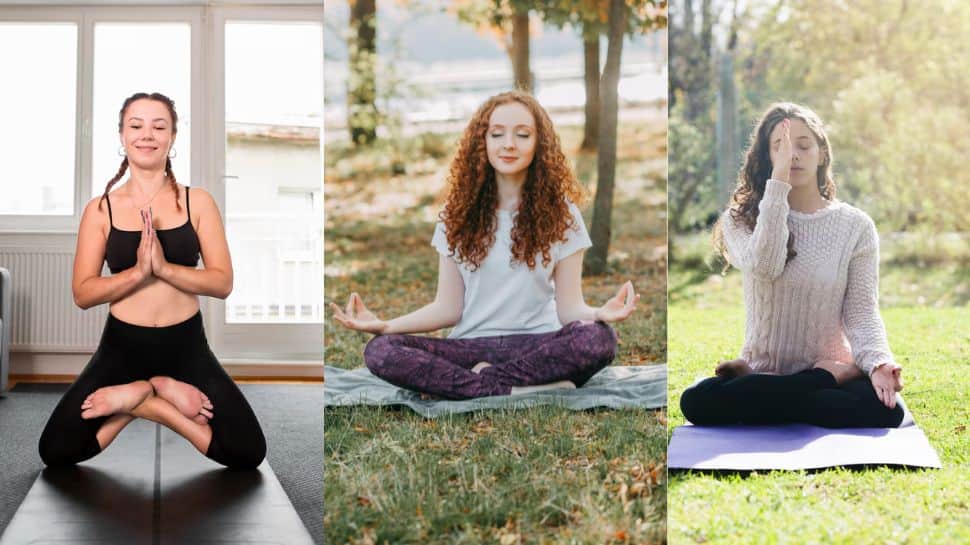
Breathing difficulties can significantly affect daily life, making it essential to find effective strategies for relief. A series of gentle yoga poses can improve lung capacity and facilitate better airflow. These asanas not only promote relaxation but also strengthen the respiratory system, providing a natural approach to enhance breathing.
Seven Effective Yoga Poses for Better Breathing
Integrating specific yoga poses into your daily routine can alleviate symptoms related to shallow breathing, allergies, or stress. Here are seven recommended asanas that can support respiratory health:
1. Sukhasana (Easy Pose)
This simple seated posture encourages relaxation and deep breathing. It helps expand the lungs and enhances oxygen flow. To practice, sit cross-legged with a straight spine, relax your shoulders, and breathe slowly and deeply.
2. Bhujangasana (Cobra Pose)
Cobra Pose is beneficial for opening the chest and stretching the lungs. It helps counteract tightness from shallow breathing. To perform this pose, lie on your stomach, place your palms under your shoulders, and gently lift your chest while keeping your elbows close to your body.
3. Setu Bandhasana (Bridge Pose)
This pose expands the chest area and promotes better oxygen intake. Additionally, it helps reduce stress, a contributor to breathing difficulties. To practice, lie on your back, bend your knees, and lift your hips upward while pressing your feet into the ground.
4. Ardha Matsyendrasana (Half Spinal Twist)
This twisting pose facilitates detoxification and enhances airflow by easing tension around the rib cage. To perform it, sit with your legs extended, bend one knee, place it outside the opposite leg, and gently twist your torso.
5. Matsyasana (Fish Pose)
Fish Pose provides a deep stretch for the chest, throat, and lungs, helping to clear nasal congestion. It also strengthens the respiratory system. To practice, lie on your back, arch your upper body, and let the top of your head rest on the floor while lifting your chest.
6. Anulom Vilom (Alternate Nostril Breathing)
Although a pranayama technique rather than a traditional pose, Anulom Vilom is effective for clearing blocked nasal passages and improving focus. To perform this, alternate blocking each nostril while inhaling and exhaling slowly.
7. Ustrasana (Camel Pose)
Camel Pose stretches the front of the body and expands the chest and lungs. It alleviates chest tightness and enhances overall respiratory capacity. To practice, kneel on the floor, arch your back, and reach your hands toward your heels while lifting your chest.
Incorporating these yoga poses into a daily practice, even for just 10 to 15 minutes, can greatly improve breathing efficiency and overall wellness. It is important to approach these exercises slowly and with mindful breathing to maximize their benefits.
As always, individuals experiencing serious breathing issues should consult a qualified medical professional before starting any new exercise regimen. This information is intended for educational purposes only and should not replace professional medical advice.

Swiss Voters Reject Hefty Inheritance Tax Amid Public Opposition

Archaeologists Uncover 2,000-Year-Old Papyrus in Egyptian Coffin

Bijan Robinson Dominates Week 13, Davante Adams Sets New Record

Stockton Mass Shooting Claims Four Lives; Mayor Issues Stark Warning

Health Insights for December 1, 2025: Wellness Predictions for All Signs

Indian Government Supports Air Passengers in ₹50,000 Crore Suit

Shehbaz Badesha Eliminated from Bigg Boss 19; Amaal Mallik Reacts

India to Introduce New Cess on Tobacco and Pan Masala Products

Ram Kamal Mukherjee Celebrates Cinema at IFFI 2025

SBI Announces QIP Floor Price at ₹811.05 Per Share

Cept Unveils ₹3.1 Crore Urban Mobility Plan for Sustainable Growth

New Blood Group Discovered in South Indian Woman at Rotary Centre

Torrential Rains Cause Flash Flooding in New York and New Jersey

Konkani Cultural Organisation to Host Pearl Jubilee in Abu Dhabi

Broad Advocates for Bowling Change Ahead of Final Test Against India

Nothing Headphone 1 Review: A Bold Contender in Audio Design

Air India Crash Investigation Highlights Boeing Fuel Switch Concerns

Indian Stock Market Rebounds: Sensex and Nifty Rise After Four-Day Decline
-
 World5 months ago
SBI Announces QIP Floor Price at ₹811.05 Per Share
-
 Lifestyle5 months ago
Cept Unveils ₹3.1 Crore Urban Mobility Plan for Sustainable Growth
-
 Science4 months ago
New Blood Group Discovered in South Indian Woman at Rotary Centre
-
 World5 months ago
Torrential Rains Cause Flash Flooding in New York and New Jersey
-
 Top Stories5 months ago
Konkani Cultural Organisation to Host Pearl Jubilee in Abu Dhabi
-
 Sports4 months ago
Broad Advocates for Bowling Change Ahead of Final Test Against India
-
 Science5 months ago
Nothing Headphone 1 Review: A Bold Contender in Audio Design
-
 Top Stories5 months ago
Air India Crash Investigation Highlights Boeing Fuel Switch Concerns
-
 Business5 months ago
Indian Stock Market Rebounds: Sensex and Nifty Rise After Four-Day Decline
-

 Sports4 months ago
Cristian Totti Retires at 19: Pressure of Fame Takes Toll
-

 Politics5 months ago
Abandoned Doberman Finds New Home After Journey to Prague
-
 Top Stories5 months ago
Patna Bank Manager Abhishek Varun Found Dead in Well