
Health
Debunking Seasonal Eating Myths: Benefits for Your Health

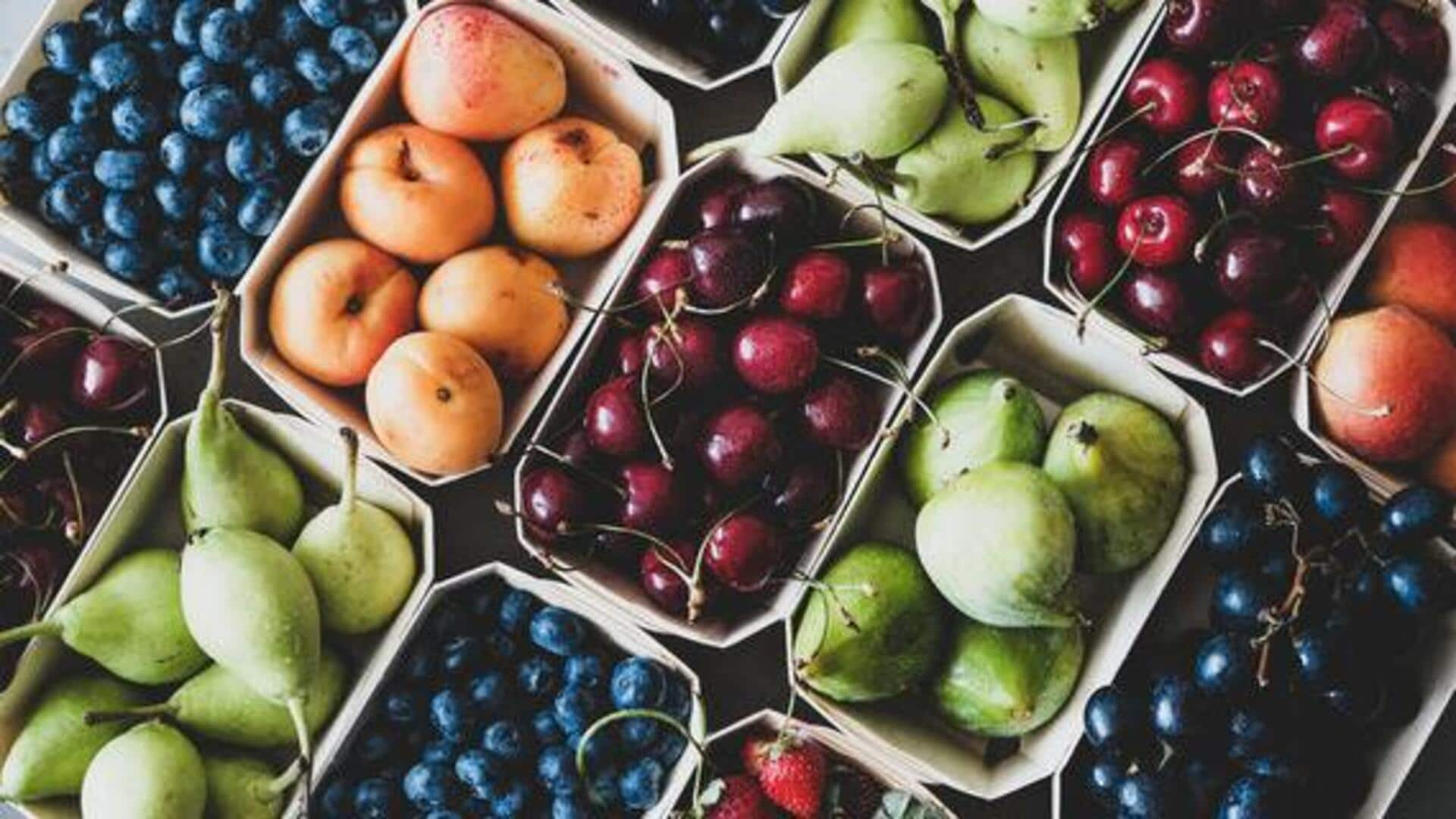
Seasonal eating has gained attention for its potential benefits, yet misconceptions continue to cloud its advantages. Many individuals are unsure about what seasonal eating entails and how it can positively impact their health and lifestyle. This article aims to clarify these misconceptions and present a clearer picture of seasonal eating.
Understanding Seasonal Eating
A common myth surrounding seasonal eating is that it incurs higher costs compared to consuming out-of-season produce. In reality, seasonal fruits and vegetables are often more affordable. Local produce is typically available at a lower price during its peak season, reducing the need for imports from distant regions. By purchasing these items when they are in season, consumers can enjoy significant savings on their grocery bills.
Another prevalent misconception is that seasonal eating limits dietary choices. Contrary to this belief, embracing seasonal produce fosters culinary exploration. Each season introduces a diverse array of fruits and vegetables, allowing individuals to experiment with new recipes and flavors throughout the year. This not only enhances the enjoyment of meals but also ensures a wider variety of nutrients in the diet.
The Importance of Timing in Food Choices
Some people mistakenly believe that all fruits and vegetables are available year-round, regardless of their natural growing seasons. In truth, many produce items have specific times when they flourish in terms of flavor and nutritional content. Eating in harmony with these natural cycles guarantees access to the freshest and most nutritious options available. By aligning food choices with seasonal availability, individuals can maximize both taste and health benefits.
The notion that adopting a seasonal diet requires excessive effort or meticulous planning is another common myth. In fact, accessing seasonal produce can be quite straightforward. Visiting farmers’ markets or participating in community-supported agriculture (CSA) programs often provides convenient opportunities for obtaining fresh, local produce. These initiatives simplify the process, making seasonal eating accessible without necessitating extensive preparation.
It is also essential to differentiate between organic produce and seasonal availability. While organic farming emphasizes sustainable growing practices, it does not always align with the concept of eating seasonally. Non-organic fruits and vegetables can still be sourced locally during their peak seasons, offering an economical alternative that does not compromise quality.
In conclusion, understanding the realities of seasonal eating can enhance both dietary habits and overall well-being. By dispelling misconceptions and recognizing the benefits of consuming locally grown, seasonal produce, individuals can enjoy a more varied and nutritious diet. As people become more aware of these advantages, seasonal eating could play a pivotal role in promoting healthier lifestyles worldwide.

Salman Khan’s E-Bike Adventure Goes Viral After Birthday Bash

Clascoterone Emerges as Promising Treatment for Hair Loss

Reliance Foundation Awards 5,100 Scholarships for 2025-26 Cycle

Father-in-Law Allegedly Stabs Wife and Daughter-in-Law in Punjab

Cutting-Edge SVF Therapy Revolutionizes Hair Regrowth Solutions

Magnus Carlsen’s Frustration Boils Over After Loss to Artemiev

Swadeshi Festival 2025 Celebrates Culture, Health, and Sports

Commuter Safety at Risk on NH-44 Due to Poor Road Conditions

Influencer Melissa Mae Carlton Mourns Loss of Daughter Molly

SBI Announces QIP Floor Price at ₹811.05 Per Share

Cept Unveils ₹3.1 Crore Urban Mobility Plan for Sustainable Growth

New Blood Group Discovered in South Indian Woman at Rotary Centre

Torrential Rains Cause Flash Flooding in New York and New Jersey

Konkani Cultural Organisation to Host Pearl Jubilee in Abu Dhabi

Nothing Headphone 1 Review: A Bold Contender in Audio Design

Broad Advocates for Bowling Change Ahead of Final Test Against India

Air India Crash Investigation Highlights Boeing Fuel Switch Concerns

Indian Stock Market Rebounds: Sensex and Nifty Rise After Four-Day Decline
-
 World5 months ago
SBI Announces QIP Floor Price at ₹811.05 Per Share
-
 Lifestyle6 months ago
Cept Unveils ₹3.1 Crore Urban Mobility Plan for Sustainable Growth
-
 Science5 months ago
New Blood Group Discovered in South Indian Woman at Rotary Centre
-
 World6 months ago
Torrential Rains Cause Flash Flooding in New York and New Jersey
-
 Top Stories6 months ago
Konkani Cultural Organisation to Host Pearl Jubilee in Abu Dhabi
-
 Science6 months ago
Nothing Headphone 1 Review: A Bold Contender in Audio Design
-
 Sports5 months ago
Broad Advocates for Bowling Change Ahead of Final Test Against India
-
 Top Stories6 months ago
Air India Crash Investigation Highlights Boeing Fuel Switch Concerns
-
 Business6 months ago
Indian Stock Market Rebounds: Sensex and Nifty Rise After Four-Day Decline
-

 Sports5 months ago
Cristian Totti Retires at 19: Pressure of Fame Takes Toll
-

 Politics5 months ago
Abandoned Doberman Finds New Home After Journey to Prague
-

 Top Stories6 months ago
Patna Bank Manager Abhishek Varun Found Dead in Well