
Business
SEBI Considers Capping Broker Commissions for Mutual Funds

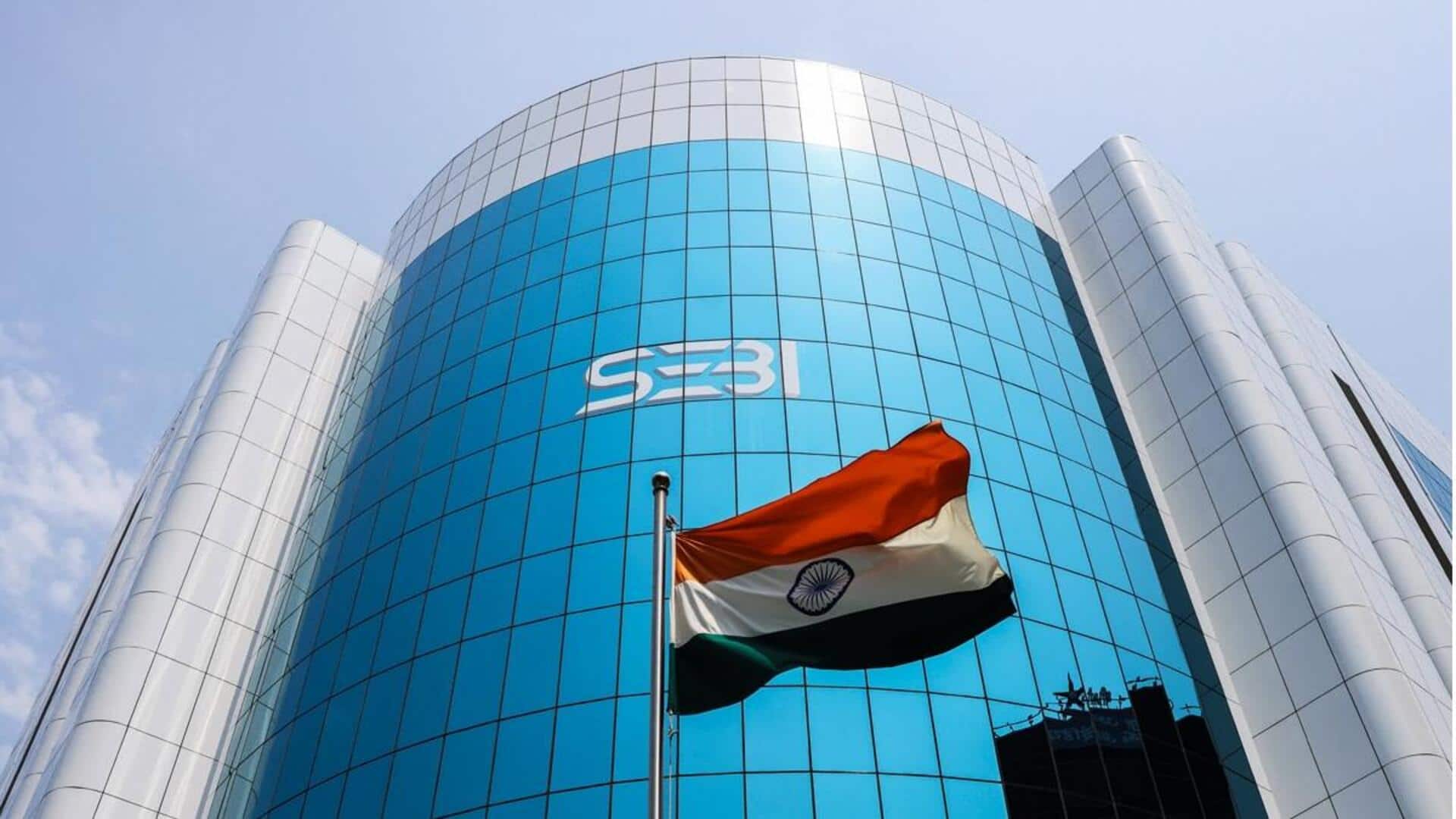
The Securities and Exchange Board of India (SEBI) is scheduled to meet with senior executives from various asset management companies (AMCs) tomorrow to discuss a proposed cap on brokerage commissions for mutual funds. Central to this meeting is the contentious plan to limit the commissions paid by fund houses to brokers for executing trades, which currently can reach as high as 12 basis points (bps).
This proposal suggests a significant reduction, capping broker commissions at just 2 bps for cash market trades and 1 bps for derivatives. The meeting will feature notable figures such as Venkat Chalasani, CEO of the Association of Mutual Funds in India (AMFI), alongside leaders from major firms including SBI Mutual Fund, HDFC Mutual Fund, ICICI Prudential Mutual Fund, and Aditya Birla Sun Life Mutual Fund.
In addition to the commission cap, the discussions will encompass broader topics related to market development, compliance issues, and the challenges currently faced by the mutual fund industry. SEBI’s chairperson, Tuhin Kanta Pandey, will lead the discussion, marking the first meeting of its kind under his leadership.
The proposal for capping broker commissions forms part of a larger initiative by SEBI to reform the way mutual funds calculate their total expense ratio (TER). According to a consultation paper released on October 28, 2023, SEBI aims to enhance transparency by excluding statutory levies, such as securities transaction tax (STT) and stamp duty, from the TER.
Resistance to the proposed changes has emerged from sell-side brokers who argue that reduced commissions could adversely affect their revenue streams. These brokers often provide essential research services to mutual funds and execute trades on their behalf. Critics of the cap argue that it could hinder mutual funds’ ability to invest in quality research, potentially leading to increased costs for these firms as they strive to build their own research teams.
SEBI’s move to limit broker commissions is primarily aimed at ensuring that investors are not charged twice for research services—once through brokerage fees and again through the asset management companies’ own charges. If implemented, this cap could reshape the compensation structure within the mutual fund industry, prompting a reevaluation of how asset managers allocate their resources.
As the meeting approaches, industry stakeholders are keenly watching for developments that could impact the future of mutual fund operations in India. The outcome of these discussions may set a precedent for how broker commissions are structured in the years to come, potentially influencing investor costs and the overall market landscape.

Airbus Discovers Quality Issue Affecting A320 Family Aircraft

Awami League Condemns Dhaka Court Ruling Against Sheikh Hasina

Supreme Court Denies Extension for Waqf Property Registration

Samantha Ruth Prabhu Weds Raj Nidimoru in Intimate Ceremony

Discover Engaging Ways to Stay Active Outside the Gym

Delhi High Court Sets Deadline for Government, CCI on Apple Fine

Charges Filed Against Sushil Kumar in IGP Bribery Case

BSF Foils Four Infiltration Attempts, Neutralizes Eight Terrorists

New Tax Bill Targets Pan Masala, Gutkha to Fund Health and Defence

SBI Announces QIP Floor Price at ₹811.05 Per Share

Cept Unveils ₹3.1 Crore Urban Mobility Plan for Sustainable Growth

New Blood Group Discovered in South Indian Woman at Rotary Centre

Torrential Rains Cause Flash Flooding in New York and New Jersey

Konkani Cultural Organisation to Host Pearl Jubilee in Abu Dhabi

Broad Advocates for Bowling Change Ahead of Final Test Against India

Nothing Headphone 1 Review: A Bold Contender in Audio Design

Air India Crash Investigation Highlights Boeing Fuel Switch Concerns

Indian Stock Market Rebounds: Sensex and Nifty Rise After Four-Day Decline
-
 World5 months ago
SBI Announces QIP Floor Price at ₹811.05 Per Share
-
 Lifestyle5 months ago
Cept Unveils ₹3.1 Crore Urban Mobility Plan for Sustainable Growth
-
 Science4 months ago
New Blood Group Discovered in South Indian Woman at Rotary Centre
-
 World5 months ago
Torrential Rains Cause Flash Flooding in New York and New Jersey
-
 Top Stories5 months ago
Konkani Cultural Organisation to Host Pearl Jubilee in Abu Dhabi
-
 Sports4 months ago
Broad Advocates for Bowling Change Ahead of Final Test Against India
-
 Science5 months ago
Nothing Headphone 1 Review: A Bold Contender in Audio Design
-
 Top Stories5 months ago
Air India Crash Investigation Highlights Boeing Fuel Switch Concerns
-
 Business5 months ago
Indian Stock Market Rebounds: Sensex and Nifty Rise After Four-Day Decline
-

 Sports4 months ago
Cristian Totti Retires at 19: Pressure of Fame Takes Toll
-

 Politics5 months ago
Abandoned Doberman Finds New Home After Journey to Prague
-

 Top Stories5 months ago
Patna Bank Manager Abhishek Varun Found Dead in Well