
Politics
RBI Holds Rates Steady as External Risks Prompt Caution

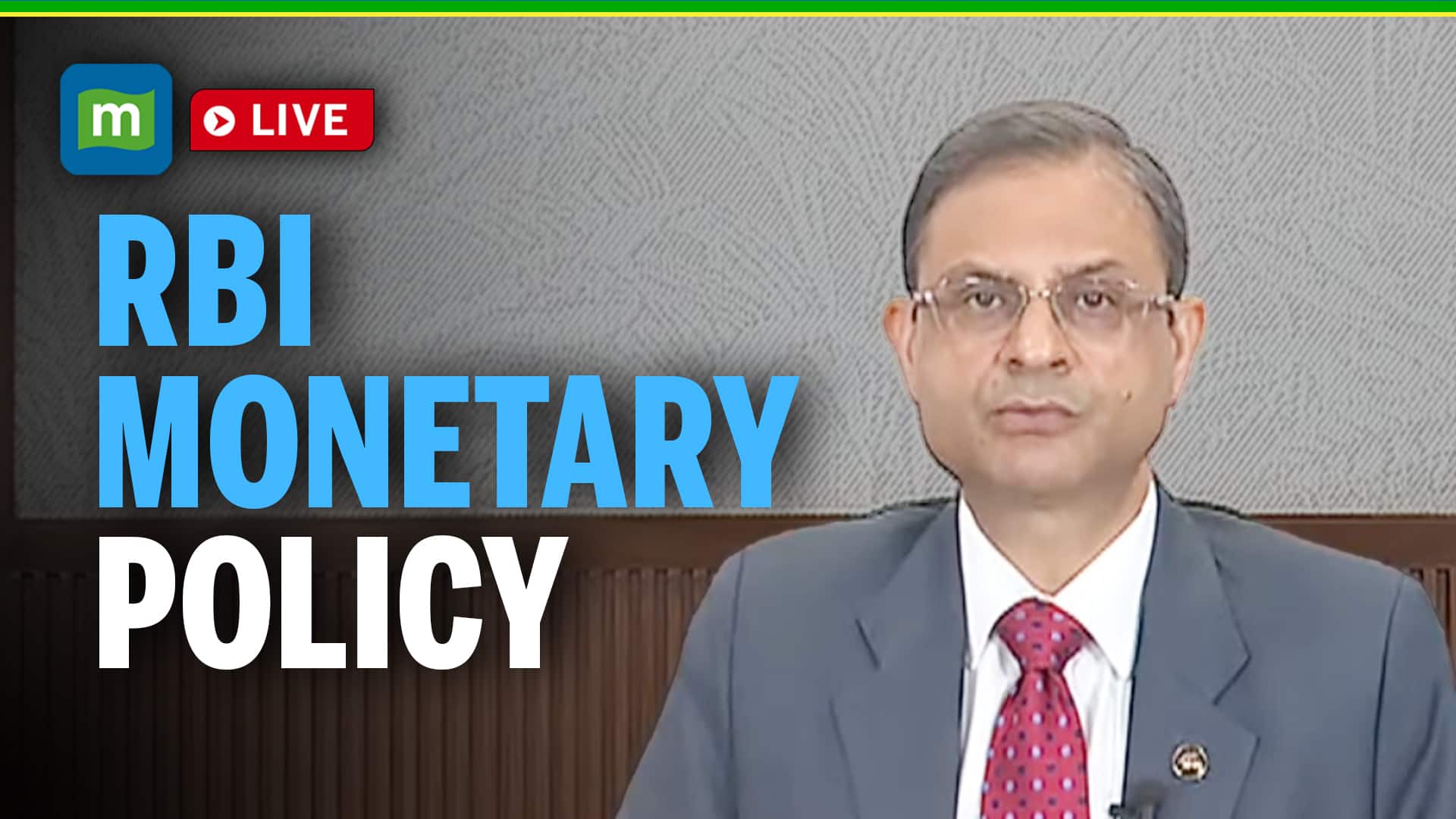
The Reserve Bank of India (RBI) has opted to maintain its current interest rates, a decision reflecting the need for caution in light of escalating external risks. On September 29, 2023, the Monetary Policy Committee (MPC) convened and decided to keep the benchmark interest rate unchanged at 6.50%. This move comes as India navigates ongoing trade tensions with the United States and other global economic uncertainties.
The RBI’s decision underscores a careful approach as officials monitor the evolving situation regarding international trade relations. The MPC expressed the importance of assessing how these tensions might influence India’s economic landscape. According to the central bank’s statement, the current economic indicators suggest that inflation remains a significant concern, necessitating a steady hand on monetary policy.
Global Context Influencing Local Decisions
The impact of external factors on India’s economy cannot be understated. Trade tensions, particularly with the US, could lead to volatility in market conditions. The RBI’s stance reflects a broader recognition of these risks, as officials are aware that any escalation could affect the country’s growth trajectory.
Inflationary pressures have persisted, driven by various factors including fluctuating commodity prices and supply chain disruptions. The RBI has consistently emphasized its commitment to maintaining price stability while also supporting economic growth. As such, the decision to hold rates steady is seen as a balancing act in a complex global environment.
In the statement released by the RBI, officials indicated that they will continue to monitor inflation trends closely. The MPC remains vigilant regarding potential shifts in domestic and international economic conditions that might influence future policy adjustments.
Future Implications for India’s Economy
The RBI’s cautious approach may have implications for consumers and businesses alike. With interest rates remaining stable, borrowers may find relief in not facing immediate changes in loan costs. However, the ongoing uncertainty regarding external economic factors could affect investment decisions and overall market confidence.
As the RBI navigates these challenges, analysts are keeping a close watch on the developments in trade negotiations. The committee’s future meetings will likely reflect any significant changes in the economic landscape, particularly if tensions escalate or if new data emerges that could necessitate a shift in policy.
In conclusion, the RBI’s decision to maintain the status quo highlights its commitment to a careful and measured response to both domestic and international challenges. As India continues to manage its economic policy amidst external pressures, the central bank’s actions will be pivotal in shaping the country’s financial future.

Charges Filed Against Sushil Kumar in IGP Bribery Case

BSF Foils Four Infiltration Attempts, Neutralizes Eight Terrorists

New Tax Bill Targets Pan Masala, Gutkha to Fund Health and Defence

Samantha Ruth Prabhu Ties the Knot with Raj Nidimoru in Intimate Ceremony

ChatGPT 5 Raises Alarm for Mental Health Guidance Failures

Ayurveda Offers Natural Solutions to Combat Urban Smog Challenges

Voter Roll Overhaul Sparks Crisis as BLOs Face Heavy Strain

India Takes Steps to Boost Rare-Earth Magnet Production Amid Dependency

Washington Sundar Struggles at No. 5 in India’s ODI Loss to South Africa

SBI Announces QIP Floor Price at ₹811.05 Per Share

Cept Unveils ₹3.1 Crore Urban Mobility Plan for Sustainable Growth

New Blood Group Discovered in South Indian Woman at Rotary Centre

Torrential Rains Cause Flash Flooding in New York and New Jersey

Konkani Cultural Organisation to Host Pearl Jubilee in Abu Dhabi

Broad Advocates for Bowling Change Ahead of Final Test Against India

Nothing Headphone 1 Review: A Bold Contender in Audio Design

Air India Crash Investigation Highlights Boeing Fuel Switch Concerns

Indian Stock Market Rebounds: Sensex and Nifty Rise After Four-Day Decline
-
 World5 months ago
SBI Announces QIP Floor Price at ₹811.05 Per Share
-
 Lifestyle5 months ago
Cept Unveils ₹3.1 Crore Urban Mobility Plan for Sustainable Growth
-
 Science4 months ago
New Blood Group Discovered in South Indian Woman at Rotary Centre
-
 World5 months ago
Torrential Rains Cause Flash Flooding in New York and New Jersey
-
 Top Stories5 months ago
Konkani Cultural Organisation to Host Pearl Jubilee in Abu Dhabi
-
 Sports4 months ago
Broad Advocates for Bowling Change Ahead of Final Test Against India
-
 Science5 months ago
Nothing Headphone 1 Review: A Bold Contender in Audio Design
-
 Top Stories5 months ago
Air India Crash Investigation Highlights Boeing Fuel Switch Concerns
-
 Business5 months ago
Indian Stock Market Rebounds: Sensex and Nifty Rise After Four-Day Decline
-

 Sports4 months ago
Cristian Totti Retires at 19: Pressure of Fame Takes Toll
-

 Politics5 months ago
Abandoned Doberman Finds New Home After Journey to Prague
-

 Top Stories5 months ago
Patna Bank Manager Abhishek Varun Found Dead in Well