
Science
Revolutionizing Blood Handling: Mudd and Flosdorf’s Key Breakthrough

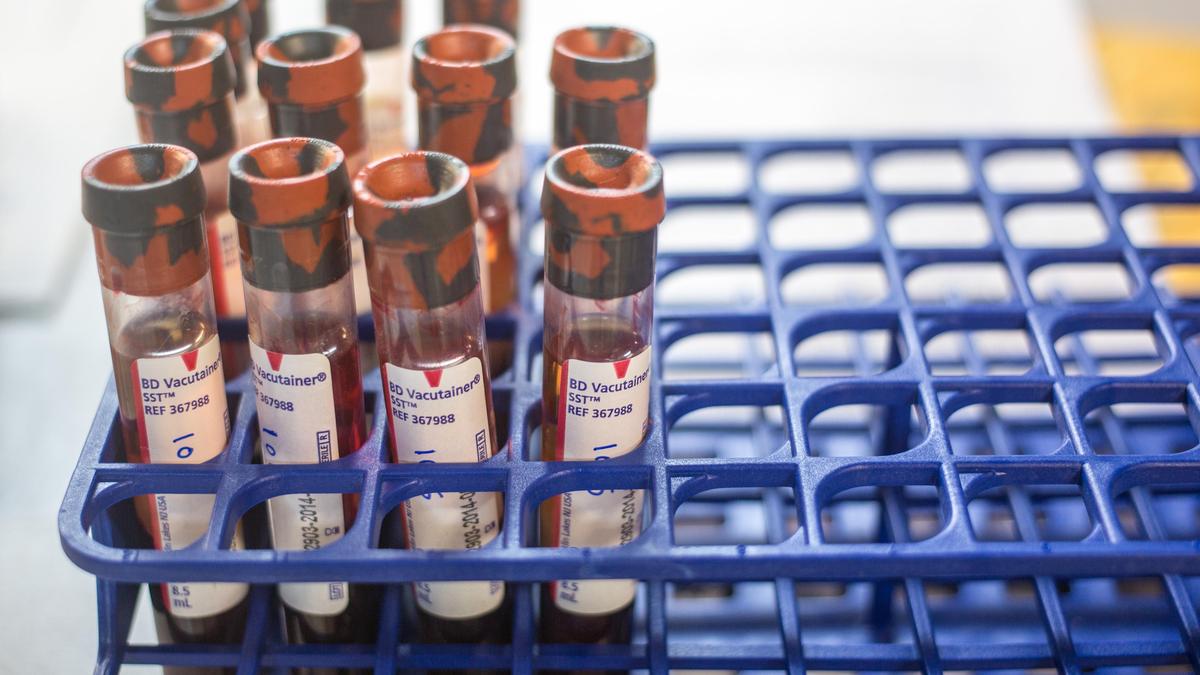
The pioneering work of Stuart Mudd and Earl Flosdorf transformed the handling of blood for medical purposes, particularly during critical times like World War II. Their groundbreaking technique for producing dried human blood serum has had lasting implications for blood transfusions and medical treatments worldwide.
Human blood plays several vital roles, including transporting oxygen and nutrients and defending against infections. An average adult carries approximately 5 to 6 litres of blood, which constitutes about 7-8% of their body weight. Blood consists of four primary components: plasma, red blood cells, white blood cells, and platelets. The separation of these components can be visually observed when blood is processed in a centrifuge.
The shelf life of blood components varies significantly. While red blood cells can be stored for up to 42 days under refrigeration, plasma can last up to a year. However, platelets, which are critical for clotting, can only be stored at room temperature for 5 to 7 days, necessitating frequent donations.
Mudd and Flosdorf’s collaboration emerged from the pressing challenges of blood handling in the early 20th century. Prior to the 1930s, ineffective commercial drying methods often resulted in the destruction of essential proteins found in blood. Their innovative approach involved removing nearly 99.9% of the water content in blood, utilizing a process that included high-speed vertical spin freezing followed by sublimation and secondary desiccation. This method enabled the preservation of blood proteins, minimizing degradation.
On December 21, 1933, Mudd and Flosdorf successfully prepared dried human blood serum at the University of Pennsylvania. Their findings were shared with the American Chemical Society on March 28, 1934. This method allowed for the easy reconstitution of serum by simply adding sterile water, making it ready for medical use.
Despite the significance of their findings, the technique remained largely underutilized until the onset of World War II. As the war escalated in 1939, the need for effective blood transfusion methods became critical. The limitations of whole blood, which required refrigeration and had a limited shelf life, highlighted the advantages of Mudd and Flosdorf’s dried serum. Their process was refined to allow for high vacuum drying, which became vital in military medical practices.
In parallel, Ronald Greaves was also conducting research on blood drying techniques in the UK. Although his methods were similar, he utilized an alcohol bath for cooling instead of dry ice. Greaves’ focus on centrifugal vacuum spin-freezing laid the groundwork for standard practices still in use today, particularly in Canada and the UK.
The techniques developed by Mudd, Flosdorf, and Greaves not only improved blood handling but also advanced the understanding of blood compatibility in transfusions. Research stemming from their work led to identifying blood types and compatibility issues, further enhancing the safety and effectiveness of blood transfusions.
The impact of their breakthroughs extends beyond emergency medical care. The methods developed for drying blood have facilitated the preservation of various biological products, including live viruses used in vaccines, hormones, and therapeutic drugs. Additionally, techniques for blood preservation are applied in the food industry, enhancing the shelf life of products such as fruits and vegetables.
In summary, the collaborative efforts of Mudd and Flosdorf have left an indelible mark on medical science and beyond. Their innovations in blood handling not only addressed immediate wartime needs but have also contributed to ongoing advancements in both medical and industrial applications.

Imran Khan Calls for Nationwide Protests After 17-Year Sentence

Stocks Rise as Markets Stabilize; Analysts Recommend Key Buys

Navigating Tax Implications of Under-Construction and Ready Homes

Dinesh Vijan Reflects on Stree’s Success After Initial Rejection

Discover India’s Top 10 Medical Colleges for MBBS in 2026

Discover Stylish Woollen Pants for Women This Winter Season

Jaishankar Highlights India’s Growing Global Influence at Convocation

India Reforms Nuclear Policy with New SHANTI Act to Boost Capacity

Paige Bueckers and Dominique Malonga Team Up for Unrivaled Action

SBI Announces QIP Floor Price at ₹811.05 Per Share

Cept Unveils ₹3.1 Crore Urban Mobility Plan for Sustainable Growth

New Blood Group Discovered in South Indian Woman at Rotary Centre

Torrential Rains Cause Flash Flooding in New York and New Jersey

Konkani Cultural Organisation to Host Pearl Jubilee in Abu Dhabi

Broad Advocates for Bowling Change Ahead of Final Test Against India

Nothing Headphone 1 Review: A Bold Contender in Audio Design

Air India Crash Investigation Highlights Boeing Fuel Switch Concerns

Indian Stock Market Rebounds: Sensex and Nifty Rise After Four-Day Decline
-
 World5 months ago
SBI Announces QIP Floor Price at ₹811.05 Per Share
-
 Lifestyle5 months ago
Cept Unveils ₹3.1 Crore Urban Mobility Plan for Sustainable Growth
-
 Science5 months ago
New Blood Group Discovered in South Indian Woman at Rotary Centre
-
 World5 months ago
Torrential Rains Cause Flash Flooding in New York and New Jersey
-
 Top Stories5 months ago
Konkani Cultural Organisation to Host Pearl Jubilee in Abu Dhabi
-
 Sports5 months ago
Broad Advocates for Bowling Change Ahead of Final Test Against India
-
 Science5 months ago
Nothing Headphone 1 Review: A Bold Contender in Audio Design
-
 Top Stories5 months ago
Air India Crash Investigation Highlights Boeing Fuel Switch Concerns
-
 Business5 months ago
Indian Stock Market Rebounds: Sensex and Nifty Rise After Four-Day Decline
-

 Sports5 months ago
Cristian Totti Retires at 19: Pressure of Fame Takes Toll
-

 Politics5 months ago
Abandoned Doberman Finds New Home After Journey to Prague
-

 Top Stories5 months ago
Patna Bank Manager Abhishek Varun Found Dead in Well