
Politics
Supreme Court Agrees to Urgent Hearing on Waqf Registration Deadline

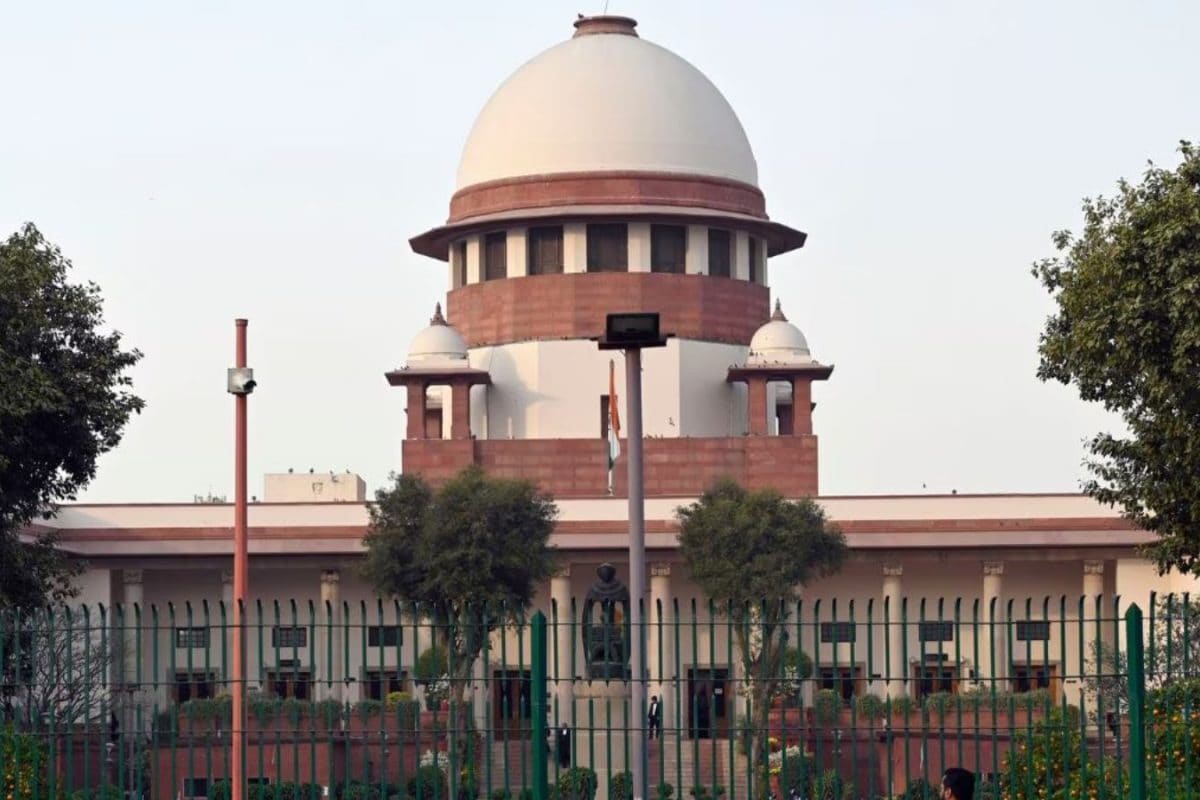
The Supreme Court of India has scheduled an urgent hearing for December 1, 2023, regarding pleas for an extension of the registration deadline for waqf properties on the newly launched UMEED portal. The application, led by the All India Muslim Personal Law Board (AIMPLB), aims to address significant challenges faced by property caretakers in meeting the registration requirements within the mandated six-month period.
The UMEED portal, introduced on June 6, 2023, as part of the Waqf (Amendment) Act, 2025, requires comprehensive details of all waqf properties across India to be uploaded. As the deadline approaches, petitioners have raised concerns about technical difficulties, inadequate documentation, and the overwhelming number of properties that must be registered, arguing that these factors hinder timely compliance.
Challenges in Registration Process
The pleas put forth not only seek an extension for the registration of properties but also emphasize the inclusion of those categorized as “waqf by user.” This term refers to properties deemed as religious or charitable endowments based on long-term usage, despite lacking formal written deeds. The amendment has sparked debate, as the new law effectively removes this classification for future waqfs. While the Supreme Court has not fully stayed the amended law, it did pause certain provisions in an interim ruling issued on September 15, 2023.
Key figures, including AIMIM leader Asaduddin Owaisi, have also joined the call for more time, underscoring the urgency of the situation. Maulana Khalid Rasheed Farangi Mahali, a member of the AIMPLB’s Executive Committee, has pointed out the significant administrative and demographic challenges faced by mutawallis (caretakers) and state waqf boards. They are tasked with digitizing and uploading centuries-old, often handwritten documents within a tight timeframe.
Implications of the Hearing
The bench, consisting of Justices Dipankar Datta and Augustine George Masih, acknowledged the critical importance of the deadline for waqf institutions nationwide. The outcome of the December 1 hearing will determine if the Ministry of Minority Affairs will be instructed to extend the submission deadline, allowing for a more manageable process for those involved in waqf property management.
The urgency of this matter reflects broader implications for the management and preservation of waqf properties in India, which have been a significant part of the country’s socio-religious landscape. As stakeholders await the court’s decision, the challenges of digitization and compliance continue to loom large.

Voter Roll Overhaul Sparks Crisis as BLOs Face Heavy Strain

India Takes Steps to Boost Rare-Earth Magnet Production Amid Dependency

Washington Sundar Struggles at No. 5 in India’s ODI Loss to South Africa

Malaysia’s Anwar Ibrahim Rules Out Major Cabinet Shake-Up

Election Commission Faces Backlash Over Stressful Voter Roll Revisions

Elon Musk Envisions Future Where Money Loses Its Power

Nitesh Rane Critiques Eknath Shinde Amid Rival Campaigning

India Can Lead Global HIV Response as New Treatments Emerge

WNBA and Players Association Extend CBA Negotiations Until January 9

SBI Announces QIP Floor Price at ₹811.05 Per Share

Cept Unveils ₹3.1 Crore Urban Mobility Plan for Sustainable Growth

New Blood Group Discovered in South Indian Woman at Rotary Centre

Torrential Rains Cause Flash Flooding in New York and New Jersey

Konkani Cultural Organisation to Host Pearl Jubilee in Abu Dhabi

Broad Advocates for Bowling Change Ahead of Final Test Against India

Nothing Headphone 1 Review: A Bold Contender in Audio Design

Air India Crash Investigation Highlights Boeing Fuel Switch Concerns

Indian Stock Market Rebounds: Sensex and Nifty Rise After Four-Day Decline
-
 World5 months ago
SBI Announces QIP Floor Price at ₹811.05 Per Share
-
 Lifestyle5 months ago
Cept Unveils ₹3.1 Crore Urban Mobility Plan for Sustainable Growth
-
 Science4 months ago
New Blood Group Discovered in South Indian Woman at Rotary Centre
-
 World5 months ago
Torrential Rains Cause Flash Flooding in New York and New Jersey
-
 Top Stories5 months ago
Konkani Cultural Organisation to Host Pearl Jubilee in Abu Dhabi
-
 Sports4 months ago
Broad Advocates for Bowling Change Ahead of Final Test Against India
-
 Science5 months ago
Nothing Headphone 1 Review: A Bold Contender in Audio Design
-
 Top Stories5 months ago
Air India Crash Investigation Highlights Boeing Fuel Switch Concerns
-
 Business5 months ago
Indian Stock Market Rebounds: Sensex and Nifty Rise After Four-Day Decline
-

 Sports4 months ago
Cristian Totti Retires at 19: Pressure of Fame Takes Toll
-

 Politics5 months ago
Abandoned Doberman Finds New Home After Journey to Prague
-

 Top Stories5 months ago
Patna Bank Manager Abhishek Varun Found Dead in Well