
World
UPS Plane Crash in Louisville Linked to Engine Mount Fatigue Cracks

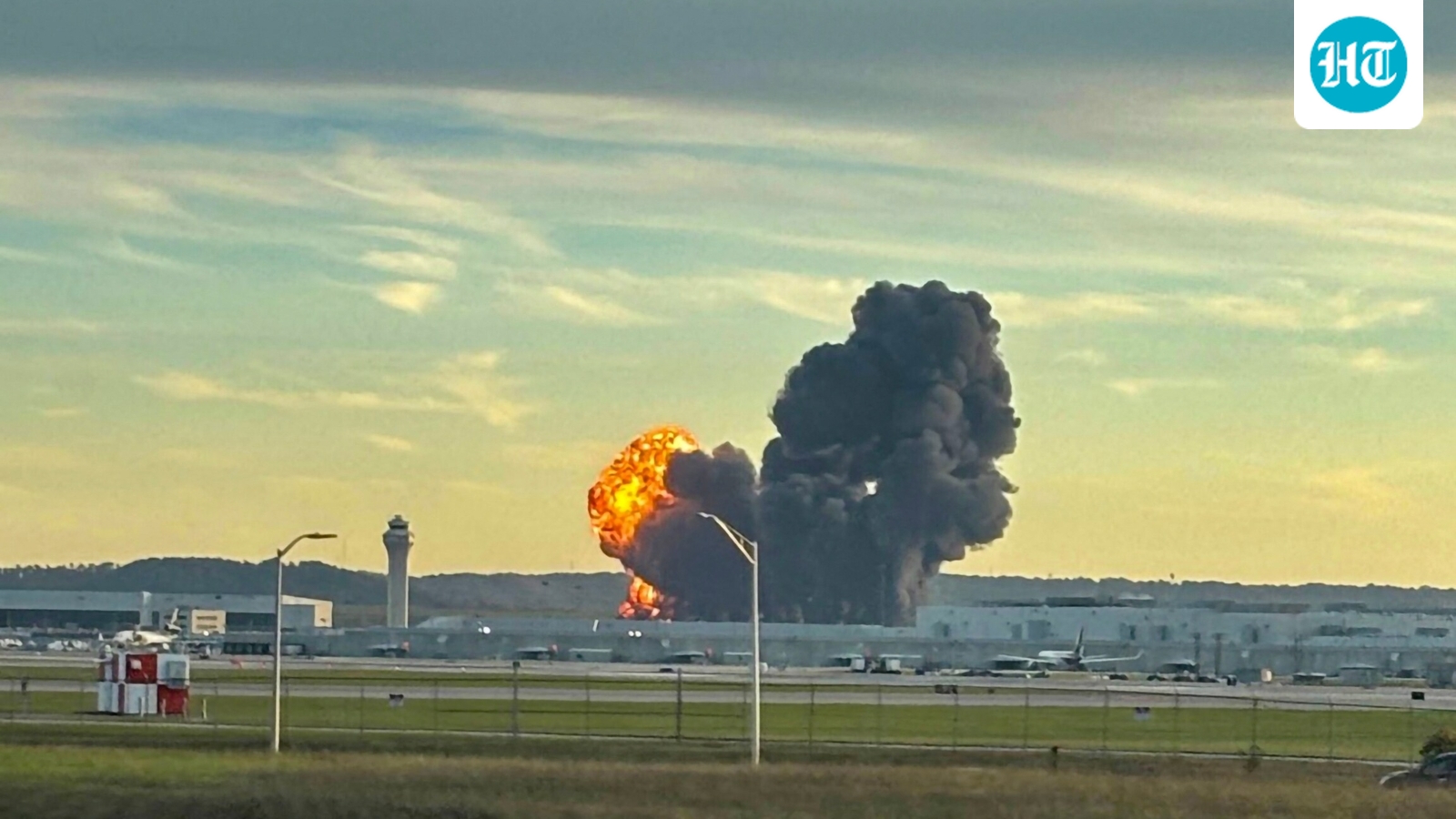
A recent preliminary report into the tragic crash of a United Parcel Service Inc. (UPS) cargo plane reveals that the aircraft had significant fatigue cracks in its engine mount. The McDonnell Douglas MD-11F lost its left engine shortly after takeoff from UPS’s primary hub in Louisville, Kentucky, on November 4, 2023. The plane failed to ascend beyond 30 feet before crashing, resulting in the loss of 14 lives, including both crew members and individuals on the ground.
The investigation, conducted by the National Transportation Safety Board (NTSB), found “evidence of fatigue cracks in addition to areas of overstress failure” in the sections securing the turbine. These findings were disclosed in a report released on Thursday, providing crucial insights into the factors contributing to the accident.
The dramatic imagery included in the report shows the engine and its pylon detaching from the aircraft and erupting into a fireball almost immediately after the plane took off. This is the first detailed account of the incident, shedding light on the catastrophic failure that took place.
In response to the crash, the Federal Aviation Administration (FAA) temporarily grounded all MD-11F cargo jets while it conducted inspections and mandated corrective actions for operators. The grounding order affects approximately 9% of UPS’s fleet and around 4% of rival FedEx Corp.’s fleet, highlighting the widespread impact of the accident on air cargo operations.
UPS issued a statement on Thursday, emphasizing that it had proactively grounded its MD-11 fleet prior to the FAA directive, acting “out of an abundance of caution.” Both UPS and Boeing Co., which acquired McDonnell Douglas in 1997, have pledged their cooperation with ongoing investigations.
NTSB investigators are currently examining various factors related to the incident, including the maintenance performed on the aircraft in the weeks leading up to the crash. While the preliminary report provides essential clues, the final conclusions regarding the cause of the crash could take one to two years to finalize.
The plane involved in the accident was originally constructed for Thai Airways International in the early 1990s before being converted into a freighter approximately 20 years ago. It was equipped with three General Electric Co. CF6 engines. The MD-11 model is no longer in production and is exclusively used for cargo transport, with the last passenger flight occurring over a decade ago.
As investigations continue, the aviation industry and the families of those affected await definitive answers to prevent future tragedies.

Swiss Voters Reject Hefty Inheritance Tax Amid Public Opposition

Archaeologists Uncover 2,000-Year-Old Papyrus in Egyptian Coffin

Bijan Robinson Dominates Week 13, Davante Adams Sets New Record

Stockton Mass Shooting Claims Four Lives; Mayor Issues Stark Warning

Health Insights for December 1, 2025: Wellness Predictions for All Signs

Indian Government Supports Air Passengers in ₹50,000 Crore Suit

Shehbaz Badesha Eliminated from Bigg Boss 19; Amaal Mallik Reacts

India to Introduce New Cess on Tobacco and Pan Masala Products

Ram Kamal Mukherjee Celebrates Cinema at IFFI 2025

SBI Announces QIP Floor Price at ₹811.05 Per Share

Cept Unveils ₹3.1 Crore Urban Mobility Plan for Sustainable Growth

New Blood Group Discovered in South Indian Woman at Rotary Centre

Torrential Rains Cause Flash Flooding in New York and New Jersey

Konkani Cultural Organisation to Host Pearl Jubilee in Abu Dhabi

Broad Advocates for Bowling Change Ahead of Final Test Against India

Nothing Headphone 1 Review: A Bold Contender in Audio Design

Air India Crash Investigation Highlights Boeing Fuel Switch Concerns

Indian Stock Market Rebounds: Sensex and Nifty Rise After Four-Day Decline
-
 World5 months ago
SBI Announces QIP Floor Price at ₹811.05 Per Share
-
 Lifestyle5 months ago
Cept Unveils ₹3.1 Crore Urban Mobility Plan for Sustainable Growth
-
 Science4 months ago
New Blood Group Discovered in South Indian Woman at Rotary Centre
-
 World5 months ago
Torrential Rains Cause Flash Flooding in New York and New Jersey
-
 Top Stories5 months ago
Konkani Cultural Organisation to Host Pearl Jubilee in Abu Dhabi
-
 Sports4 months ago
Broad Advocates for Bowling Change Ahead of Final Test Against India
-
 Science5 months ago
Nothing Headphone 1 Review: A Bold Contender in Audio Design
-
 Top Stories5 months ago
Air India Crash Investigation Highlights Boeing Fuel Switch Concerns
-
 Business5 months ago
Indian Stock Market Rebounds: Sensex and Nifty Rise After Four-Day Decline
-

 Sports4 months ago
Cristian Totti Retires at 19: Pressure of Fame Takes Toll
-

 Politics5 months ago
Abandoned Doberman Finds New Home After Journey to Prague
-

 Top Stories5 months ago
Patna Bank Manager Abhishek Varun Found Dead in Well