
Lifestyle
Rethink Your Milk: Why Boiling Packaged Milk Is Unnecessary

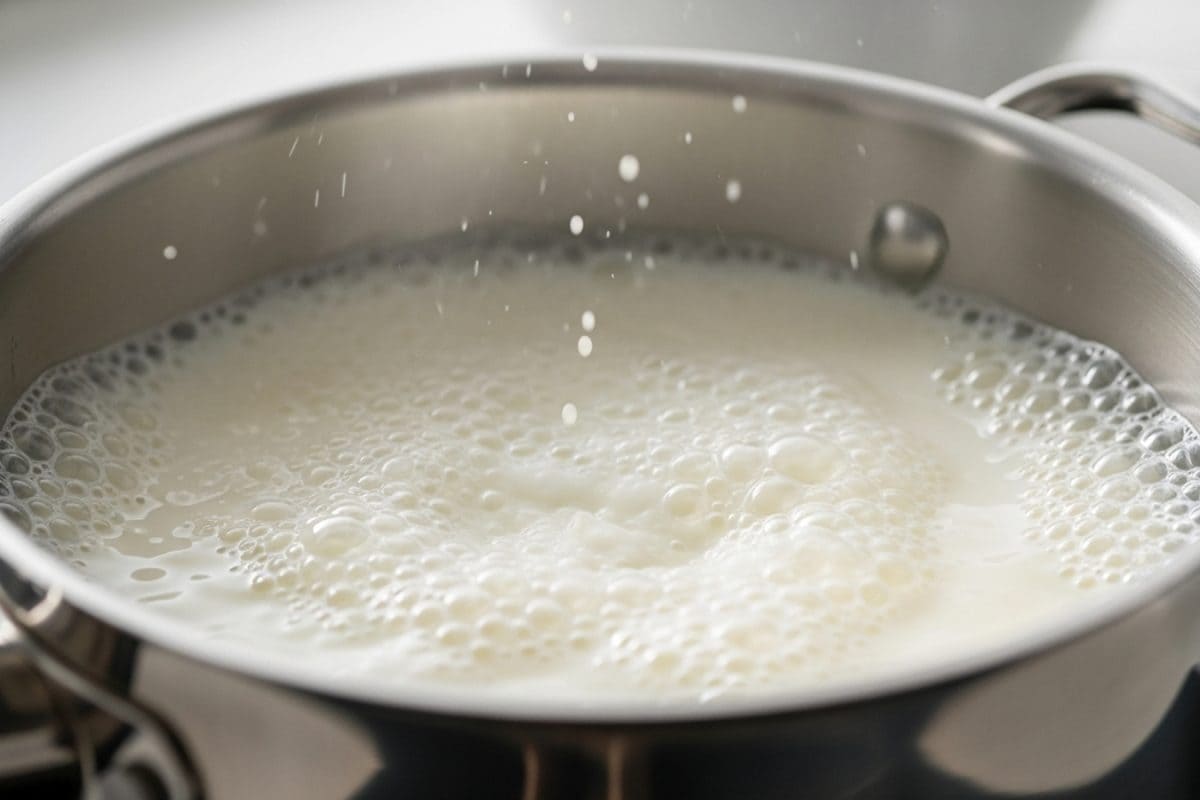
The practice of boiling packaged milk persists in many households, despite scientific evidence suggesting it is unnecessary and potentially harmful. Packaged milk, widely consumed in regions like Delhi-NCR, is already treated through processes such as pasteurisation or ultra-high temperature (UHT) processing, ensuring it is safe for consumption without the need for additional boiling.
In Delhi-NCR, daily milk consumption reaches between **60,000 and 70,000 tonnes**, with companies like **Mother Dairy** selling **3.5 million litres** of packaged milk each day. Despite the convenience and safety of packaged options, many families continue to boil this milk before use. Experts, including scientists, doctors, and dairy technologists, advise against this practice, highlighting the nutritional drawbacks and unnecessary effort involved.
Understanding Packaged Milk Safety
Packaged milk undergoes rigorous treatment methods to eliminate harmful bacteria. **Pasteurised milk**, for instance, is heated to between **72°C and 85°C** for a brief period of **15 to 30 seconds** before being cooled rapidly. This process destroys **99.9%** of harmful germs like **E. coli**, **Salmonella**, and **Listeria**, while preserving essential nutrients and enzymes. With a shelf life of **4 to 7 days** when kept at **4°C**, this milk is safe and nutritious right out of the package.
**Ultra-high temperature (UHT) milk** takes safety a step further, reaching temperatures of **135°C to 150°C** for **2 to 5 seconds**. This treatment kills all microorganisms and allows the milk to be stored without refrigeration for **3 to 6 months** if unopened. Given these processes, the need for boiling packaged milk is called into question.
The Nutritional Impact of Boiling Milk
Boiling packaged milk can lead to significant nutritional and chemical changes. Heat-sensitive vitamins, including B1, B2, B6, B12, and C, may decrease by **10% to 30%** upon boiling. Additionally, milk proteins can denature, which reduces their bioavailability. Beneficial enzymes, such as lactase and phosphatase, are also destroyed through boiling.
Chemical reactions can occur when boiling milk, resulting in a change of colour to light brown and an alteration in taste. The emulsion may break down, causing a separation of cream, and some calcium and phosphate compounds may settle at the bottom of the container.
In certain situations, such as when milk has been left out of the refrigerator for several hours or when consumers prefer hot milk, slight heating may be acceptable. Heating to **70°C to 80°C** is sufficient in these cases. After opening, it is crucial to refrigerate packaged milk and consume it within **2 to 3 days** for optimal safety and quality.
The Case for Boiling Raw Milk
Raw milk, often sourced from local dairies or milkmen, presents a different safety narrative. Unlike packaged milk, raw milk is unprocessed and potentially carries harmful microorganisms, viruses, or parasites. This poses health risks, particularly to vulnerable populations, such as children, pregnant women, the elderly, and those with compromised immune systems.
The risk of contamination can arise from various sources, including infected udders, unsanitary milking practices, and adulteration with substances like water. To ensure safety, boiling raw milk at **100°C** for **10 to 15 minutes** is essential. This process effectively kills harmful microorganisms and inactivates the lipase enzyme, which can enhance the milk’s taste.
The ongoing debate surrounding the necessity of boiling packaged milk underscores the importance of understanding dairy safety. By relying on scientifically processed milk, consumers can enjoy the nutritional benefits without the drawbacks of unnecessary boiling. Educating households on these practices can lead to healthier choices and improved understanding of food safety in dairy consumption.

Hardik Pandya Eyes T20I Double Milestone Against South Africa

EU’s Costa Urges U.S. to Respect Europe’s Sovereignty

AAP’s Raghav Chadha Critiques Toll Plaza Operations in Rajya Sabha

Evaluating the Value of PPF Accounts for Children in 2025

Madhuri Dixit Hosts Star-Studded Dinner with Subhash Ghai

Sydney Sweeney Denies Cosmetic Surgery Rumors in Candid Interview

Swami Shailashanand Giri Maharaj’s Transformative Spiritual Journey

Gogoi Challenges Modi’s Remarks in Intense Lok Sabha Debate

Sports Minister Confirms Over 1,000 Vacancies in SAI, Recruitment Underway

SBI Announces QIP Floor Price at ₹811.05 Per Share

Cept Unveils ₹3.1 Crore Urban Mobility Plan for Sustainable Growth

New Blood Group Discovered in South Indian Woman at Rotary Centre

Torrential Rains Cause Flash Flooding in New York and New Jersey

Konkani Cultural Organisation to Host Pearl Jubilee in Abu Dhabi

Broad Advocates for Bowling Change Ahead of Final Test Against India

Nothing Headphone 1 Review: A Bold Contender in Audio Design

Air India Crash Investigation Highlights Boeing Fuel Switch Concerns

Indian Stock Market Rebounds: Sensex and Nifty Rise After Four-Day Decline
-
 World5 months ago
SBI Announces QIP Floor Price at ₹811.05 Per Share
-
 Lifestyle5 months ago
Cept Unveils ₹3.1 Crore Urban Mobility Plan for Sustainable Growth
-
 Science4 months ago
New Blood Group Discovered in South Indian Woman at Rotary Centre
-
 World5 months ago
Torrential Rains Cause Flash Flooding in New York and New Jersey
-
 Top Stories5 months ago
Konkani Cultural Organisation to Host Pearl Jubilee in Abu Dhabi
-
 Sports4 months ago
Broad Advocates for Bowling Change Ahead of Final Test Against India
-
 Science5 months ago
Nothing Headphone 1 Review: A Bold Contender in Audio Design
-
 Top Stories5 months ago
Air India Crash Investigation Highlights Boeing Fuel Switch Concerns
-
 Business5 months ago
Indian Stock Market Rebounds: Sensex and Nifty Rise After Four-Day Decline
-

 Sports4 months ago
Cristian Totti Retires at 19: Pressure of Fame Takes Toll
-

 Politics5 months ago
Abandoned Doberman Finds New Home After Journey to Prague
-

 Top Stories5 months ago
Patna Bank Manager Abhishek Varun Found Dead in Well