
Science
Pioneering Medical Breakthrough: First Artificial Heart Activated

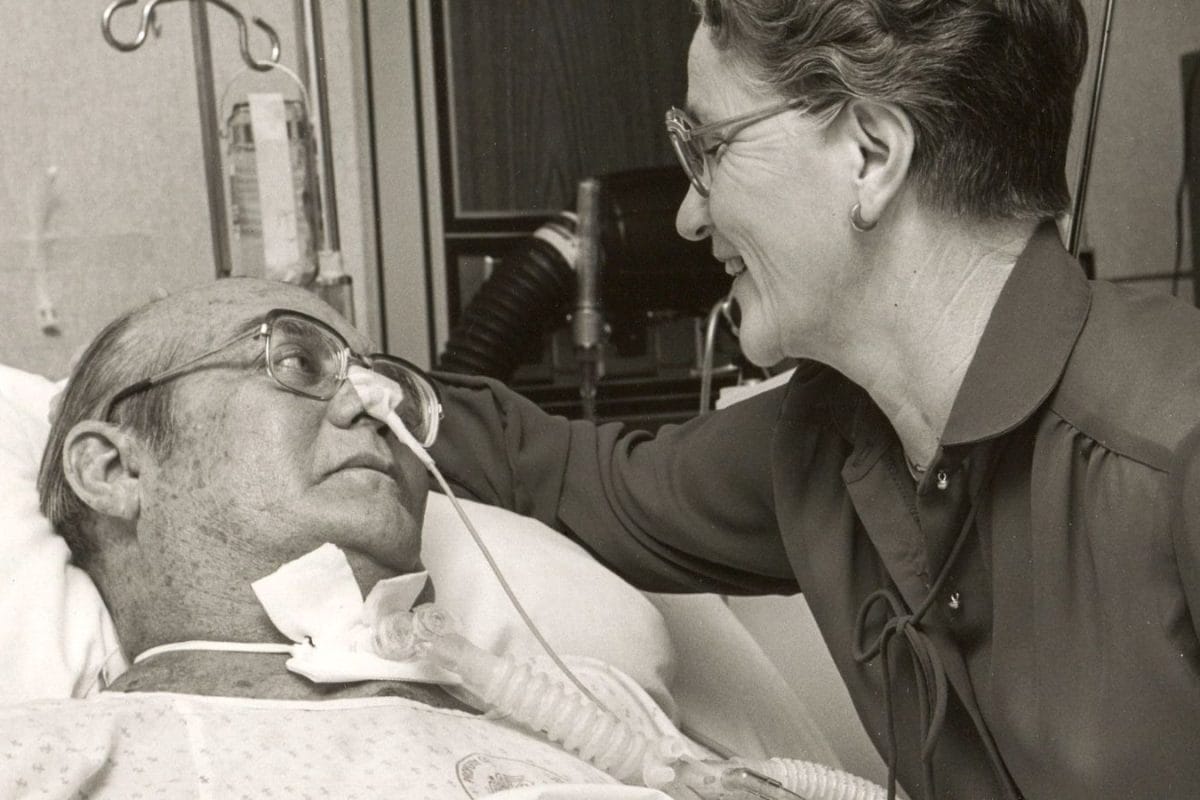
On December 2, 1982, medical history was made when Barney Clark became the first recipient of the Jarvik-7 artificial heart. This significant event marked a turning point in cardiac technology, paving the way for future innovations in heart surgery and treatment for patients with severe heart conditions.
Developed by Dr. Robert Jarvik and a team at the University of Utah, the Jarvik-7 was designed to replace a failing human heart. Clark, a 61-year-old dentist who had suffered from heart disease, underwent the surgery that lasted over six hours. Following the operation, he became a groundbreaking figure in the medical community and a symbol of hope for patients facing similar health challenges.
Living with an artificial heart presented Clark with both opportunities and challenges. He spent 112 days at the University of Utah hospital, where doctors and nurses monitored his condition closely. During this time, Clark experienced both the joys and difficulties of adapting to life with the Jarvik-7, including limitations on activity and the necessity of a portable power supply.
The Jarvik-7 itself was a remarkable engineering feat, weighing approximately 1.4 kilograms and constructed from durable materials. It utilized a pneumatic system to pump blood, effectively mimicking the function of a natural heart. This innovation not only extended Clark’s life but also provided valuable insights into the needs of patients reliant on artificial devices.
Clark’s journey was closely followed by media and the public, sparking widespread interest in the possibilities of artificial organs. According to the American Heart Association, more than 40 million people worldwide suffer from heart disease, making advancements in artificial hearts particularly crucial.
Despite the initial success, Clark faced significant health complications. He developed infections and suffered a stroke, leading to his passing on March 23, 1983. While his life was tragically cut short, Clark’s experience with the Jarvik-7 opened doors to further research and development in artificial hearts.
Over the years, advancements in cardiac technology have continued to evolve. Modern innovations now include devices that are less invasive and more effective, demonstrating the profound impact of Clark’s pioneering experience. His legacy remains a testament to the resilience of the human spirit and the continual drive for medical progress.
In conclusion, the activation of the Jarvik-7 on December 2, 1982, marked a significant leap in medical science, illustrating the potential of artificial hearts to extend life and improve health outcomes. As technology advances, the story of Barney Clark serves as a reminder of the human stories behind medical breakthroughs and the importance of innovation in healthcare.

Rajnath Singh Lauds Modi’s Efforts to Uphold Patel’s Anti-Corruption Legacy

Pioneering Medical Breakthrough: First Artificial Heart Activated

Chennai Marathon 2026 Unveils T-Shirt and Medal Ahead of Event

Jaishankar Calls for Urgent Update to Biological Weapons Treaty

Kashmir Endures Severe Cold Wave as Temperatures Plummet

Understanding Travel Insurance: Coverage Beyond Visa Dates

New Bengali Film ‘Deri Hoye Geche’ Unveils Official Teaser

Surge in Childhood Pre-Diabetes Sparks Health Concerns

21,000 Children Unite for Global Gita Recitation in Kurukshetra

SBI Announces QIP Floor Price at ₹811.05 Per Share

Cept Unveils ₹3.1 Crore Urban Mobility Plan for Sustainable Growth

New Blood Group Discovered in South Indian Woman at Rotary Centre

Torrential Rains Cause Flash Flooding in New York and New Jersey

Konkani Cultural Organisation to Host Pearl Jubilee in Abu Dhabi

Broad Advocates for Bowling Change Ahead of Final Test Against India

Nothing Headphone 1 Review: A Bold Contender in Audio Design

Air India Crash Investigation Highlights Boeing Fuel Switch Concerns

Indian Stock Market Rebounds: Sensex and Nifty Rise After Four-Day Decline
-
 World5 months ago
SBI Announces QIP Floor Price at ₹811.05 Per Share
-
 Lifestyle5 months ago
Cept Unveils ₹3.1 Crore Urban Mobility Plan for Sustainable Growth
-
 Science4 months ago
New Blood Group Discovered in South Indian Woman at Rotary Centre
-
 World5 months ago
Torrential Rains Cause Flash Flooding in New York and New Jersey
-
 Top Stories5 months ago
Konkani Cultural Organisation to Host Pearl Jubilee in Abu Dhabi
-
 Sports4 months ago
Broad Advocates for Bowling Change Ahead of Final Test Against India
-
 Science5 months ago
Nothing Headphone 1 Review: A Bold Contender in Audio Design
-
 Top Stories5 months ago
Air India Crash Investigation Highlights Boeing Fuel Switch Concerns
-
 Business5 months ago
Indian Stock Market Rebounds: Sensex and Nifty Rise After Four-Day Decline
-

 Sports4 months ago
Cristian Totti Retires at 19: Pressure of Fame Takes Toll
-

 Politics5 months ago
Abandoned Doberman Finds New Home After Journey to Prague
-

 Top Stories5 months ago
Patna Bank Manager Abhishek Varun Found Dead in Well