
Science
India to Launch Next-Gen Nuclear Reactors by 2033 in Tarapur

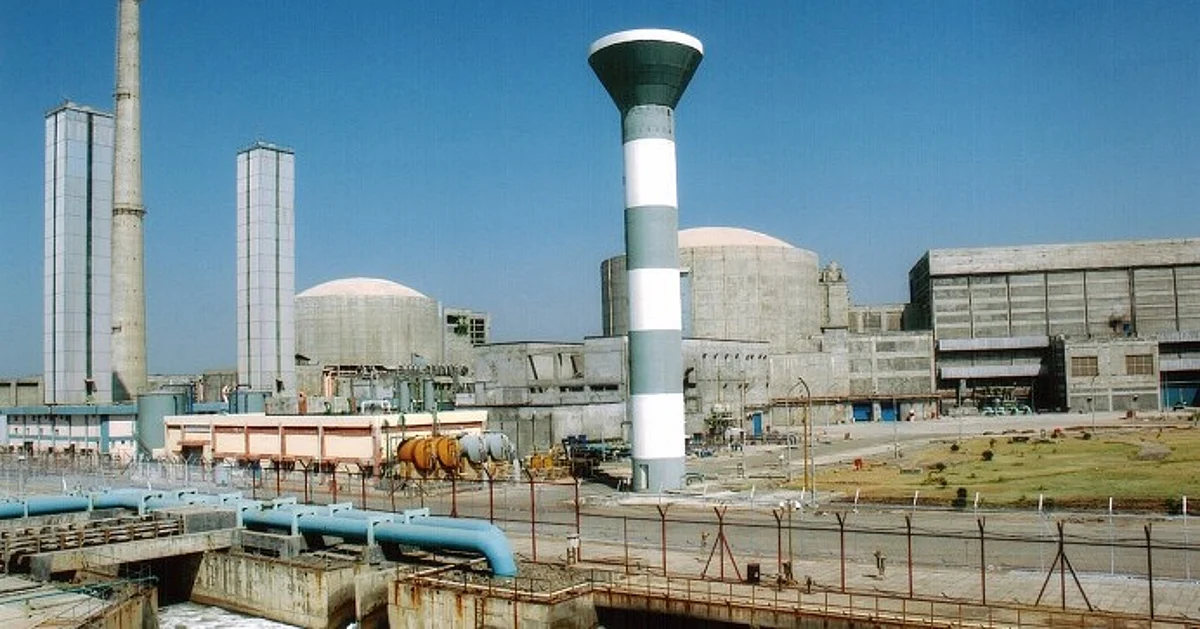
India is set to establish its first two next-generation nuclear reactors, the Bharat Small Modular Reactor (BSMR-200) and the Small Modular Reactor (SMR-55), at Tarapur in Maharashtra by 2033. This site is historically significant as it hosts the country’s first nuclear power plant, which began operations over fifty years ago. The initiative is part of India’s broader Nuclear Energy Mission, spearheaded by the Bhabha Atomic Research Centre (BARC) in Mumbai.
The two reactors, with capacities of 200 MW and 55 MW respectively, will serve as critical energy sources for industries that require substantial power, including aluminium and steel manufacturing. Additionally, they are designed to support the transition from retiring fossil fuel-based power plants and provide energy to remote areas.
Future Developments in Nuclear Technology
In parallel to the BSMR-200 and SMR-55, a third reactor—a 5 MW high-temperature gas-cooled reactor—is under design, intended for hydrogen production. This reactor will be constructed at the BARC campus in Visakhapatnam. The hydrogen generated can be utilized across various sectors, particularly transport and industrial processes. Experts note that small modular reactors (SMRs) are positioned to play a pivotal role in the decarbonisation efforts of both the energy sector and heavy industries.
According to a roadmap prepared by the Department of Atomic Energy, the demonstration reactors are expected to be operational within 60 to 72 months following the necessary approvals. The Indian government aims to deploy five indigenous SMRs by 2033, with funding allocations totaling ₹5,960 crore for the BSMR-200 and ₹7,000 crore for two units of the SMR-55. An additional amount of ₹320 crore is earmarked for the development of the high-temperature gas-cooled reactor, while ₹800 crore is allocated for common design and engineering tasks.
Public-Private Partnerships in Nuclear Energy
The Indian government plans to collaborate with private sector entities to enhance the deployment of the BSMR-220 and SMR-55 reactors. The Nuclear Power Corporation of India Limited has issued a Request for Proposal, inviting Indian companies to engage in setting up BSMRs for captive power generation. This initiative comes as the government considers amending the Atomic Energy Act of 1962 to facilitate greater private sector involvement in the nuclear energy domain.
Nuclear energy is a cornerstone of India’s strategy to achieve net-zero emissions by 2070. In the Union Budget for 2025-26, the government allocated ₹20,000 crore for the design, development, and deployment of small modular reactors, reinforcing the commitment to operationalize domestically developed SMRs by the target year.
The upcoming reactors at Tarapur mark a significant advancement in India’s nuclear capabilities, reflecting a concerted effort to modernize the energy landscape while addressing the pressing need for sustainable power solutions.

Activists Aid Flood-Affected Farmers in Punjab’s Border Villages

Fire at Arpora Restaurant Claims 23 Lives, Investigation Launched

Indian Government Caps Domestic Airfares to Ensure Accessibility

“Kill Bill”: A Bold Challenge to Female Stereotypes in Action Cinema

Health Insights for December 7, 2025: Zodiac Predictions Unveiled

Trump Honors Sylvester Stallone, Gloria Gaynor, and Others at Kennedy Center Ceremony

Bethlehem Celebrates Christmas with Hopeful Tree Lighting

Protests Erupt in Washington Over U.S. Strikes on Venezuelan Boats

India’s Richest States Revealed: GDP and Income Rankings for 2025

SBI Announces QIP Floor Price at ₹811.05 Per Share

Cept Unveils ₹3.1 Crore Urban Mobility Plan for Sustainable Growth

New Blood Group Discovered in South Indian Woman at Rotary Centre

Torrential Rains Cause Flash Flooding in New York and New Jersey

Konkani Cultural Organisation to Host Pearl Jubilee in Abu Dhabi

Broad Advocates for Bowling Change Ahead of Final Test Against India

Nothing Headphone 1 Review: A Bold Contender in Audio Design

Air India Crash Investigation Highlights Boeing Fuel Switch Concerns

Indian Stock Market Rebounds: Sensex and Nifty Rise After Four-Day Decline
-
 World5 months ago
SBI Announces QIP Floor Price at ₹811.05 Per Share
-
 Lifestyle5 months ago
Cept Unveils ₹3.1 Crore Urban Mobility Plan for Sustainable Growth
-
 Science4 months ago
New Blood Group Discovered in South Indian Woman at Rotary Centre
-
 World5 months ago
Torrential Rains Cause Flash Flooding in New York and New Jersey
-
 Top Stories5 months ago
Konkani Cultural Organisation to Host Pearl Jubilee in Abu Dhabi
-
 Sports4 months ago
Broad Advocates for Bowling Change Ahead of Final Test Against India
-
 Science5 months ago
Nothing Headphone 1 Review: A Bold Contender in Audio Design
-
 Top Stories5 months ago
Air India Crash Investigation Highlights Boeing Fuel Switch Concerns
-
 Business5 months ago
Indian Stock Market Rebounds: Sensex and Nifty Rise After Four-Day Decline
-

 Sports4 months ago
Cristian Totti Retires at 19: Pressure of Fame Takes Toll
-

 Politics5 months ago
Abandoned Doberman Finds New Home After Journey to Prague
-

 Top Stories5 months ago
Patna Bank Manager Abhishek Varun Found Dead in Well