
Science
India-Japan Science Forum Drives Innovation for Global Resilience

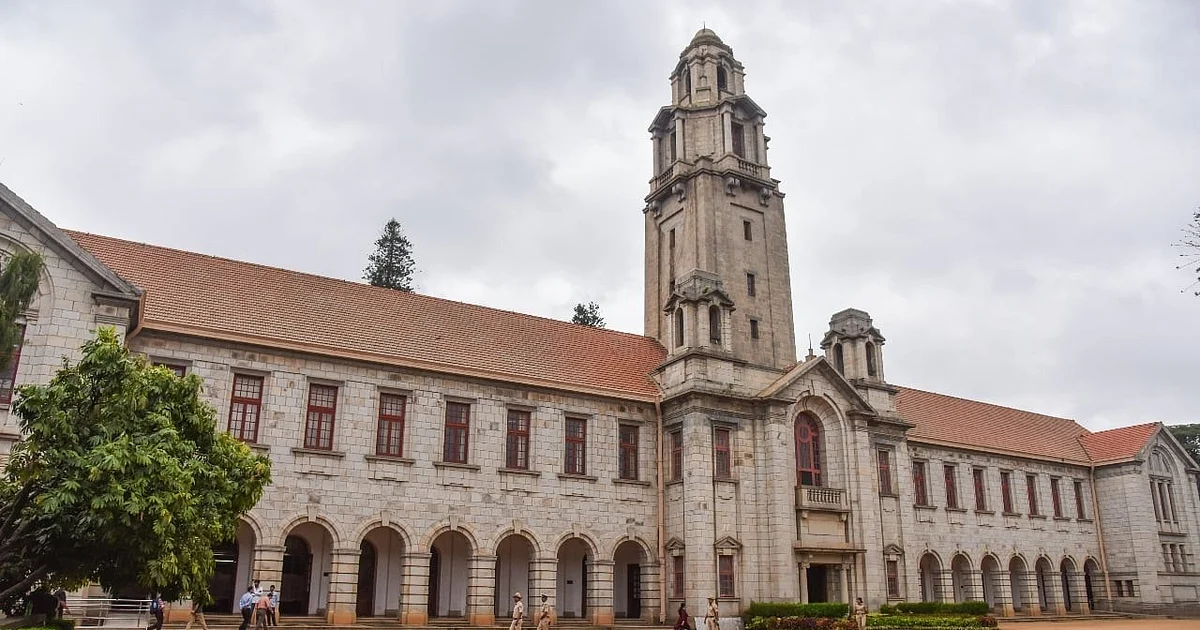
The Indian Institute of Science (IISc) in Bengaluru hosted a two-day conference focused on fostering innovation to enhance collaboration between India and Japan. The event, titled the India-Japan Science Technology Innovation Forum, gathered prominent thought leaders, industry experts, and innovators from both nations to explore how partnerships in science and technology can tackle global challenges and promote a sustainable future.
Exploring Synergies in Science and Technology
Organized in collaboration with Keio University from Japan, the conference aimed to deepen ties between the two countries, particularly in areas such as artificial intelligence (AI) and deep technology. During the event, Raj Kumar Srivastava, India’s Ambassador to Japan, emphasized the importance of strengthening bilateral relations, especially through collaborative research initiatives in AI, quantum computing, and dialogues around the semiconductor supply chain.
Ambassador Srivastava highlighted the necessity of transitioning from bilateral projects to a more expansive multilateral leadership approach. He urged India to adopt aspects of Japanese culture that promote self-reliance and effective problem-solving. “The Indian concept of ‘jugaad’ has even made it to Harvard Business School,” he noted. “While ‘jugaad’ is beneficial for survival, it is not sustainable. We need to enhance our focus on problem-solving and innovation, especially with our thriving startup ecosystem.”
Panel Discussions on Sustainable Solutions
The first day of the conference featured three engaging panel discussions: “Enabling Technologies and Sectors,” “Economic Partnership to Shape Strategic Growth,” and “Codesigning a Sustainable Future.” In a notable contribution, Masafumi Senda, the country head of the New Energy and Industrial Technology Development Organisation, discussed the potential of biogas as a replacement for compressed natural gas (CNG) vehicles, outlining various sustainable solutions that could benefit both nations.
On the second day, a session titled “Skilling for Resilience and Innovation” addressed the need for developing a skilled workforce capable of driving future innovations. This discussion underscored the role of education and training in ensuring that both countries can meet the demands of evolving industries.
The conference showcased a commitment to exploring innovative solutions that can enhance the resilience of societies in the face of global challenges. By fostering collaboration and sharing knowledge, India and Japan aim to set a precedent for international cooperation in science and technology.

Activists Aid Flood-Affected Farmers in Punjab’s Border Villages

Fire at Arpora Restaurant Claims 23 Lives, Investigation Launched

Indian Government Caps Domestic Airfares to Ensure Accessibility

“Kill Bill”: A Bold Challenge to Female Stereotypes in Action Cinema

Health Insights for December 7, 2025: Zodiac Predictions Unveiled

Trump Honors Sylvester Stallone, Gloria Gaynor, and Others at Kennedy Center Ceremony

Bethlehem Celebrates Christmas with Hopeful Tree Lighting

Protests Erupt in Washington Over U.S. Strikes on Venezuelan Boats

India’s Richest States Revealed: GDP and Income Rankings for 2025

SBI Announces QIP Floor Price at ₹811.05 Per Share

Cept Unveils ₹3.1 Crore Urban Mobility Plan for Sustainable Growth

New Blood Group Discovered in South Indian Woman at Rotary Centre

Torrential Rains Cause Flash Flooding in New York and New Jersey

Konkani Cultural Organisation to Host Pearl Jubilee in Abu Dhabi

Broad Advocates for Bowling Change Ahead of Final Test Against India

Nothing Headphone 1 Review: A Bold Contender in Audio Design

Air India Crash Investigation Highlights Boeing Fuel Switch Concerns

Indian Stock Market Rebounds: Sensex and Nifty Rise After Four-Day Decline
-
 World5 months ago
SBI Announces QIP Floor Price at ₹811.05 Per Share
-
 Lifestyle5 months ago
Cept Unveils ₹3.1 Crore Urban Mobility Plan for Sustainable Growth
-
 Science4 months ago
New Blood Group Discovered in South Indian Woman at Rotary Centre
-
 World5 months ago
Torrential Rains Cause Flash Flooding in New York and New Jersey
-
 Top Stories5 months ago
Konkani Cultural Organisation to Host Pearl Jubilee in Abu Dhabi
-
 Sports4 months ago
Broad Advocates for Bowling Change Ahead of Final Test Against India
-
 Science5 months ago
Nothing Headphone 1 Review: A Bold Contender in Audio Design
-
 Top Stories5 months ago
Air India Crash Investigation Highlights Boeing Fuel Switch Concerns
-
 Business5 months ago
Indian Stock Market Rebounds: Sensex and Nifty Rise After Four-Day Decline
-

 Sports4 months ago
Cristian Totti Retires at 19: Pressure of Fame Takes Toll
-

 Politics5 months ago
Abandoned Doberman Finds New Home After Journey to Prague
-

 Top Stories5 months ago
Patna Bank Manager Abhishek Varun Found Dead in Well