
Science
Forensic Science Faces Crisis: 15 Key Steps for Reform

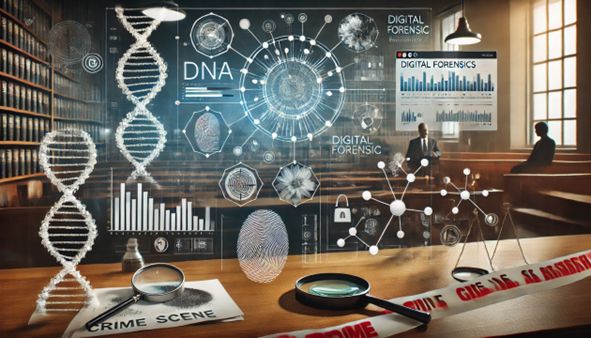
The integrity of forensic science is under significant threat due to compromised practices that jeopardize the justice system. In a recent examination, Dr Sami Ullah, a forensic practitioner and anthropologist, outlines a comprehensive 15-point blueprint aimed at restoring forensic science as a cornerstone of truth. This initiative seeks to address critical issues such as broken chains of custody and lab reports that prioritize convenience over accuracy.
Forensic science is vital in societies that uphold the rule of law. It serves as the bridge connecting investigative processes to judicial determinations, relying heavily on evidence—material, biological, digital, or testimonial. This evidence must withstand rigorous scrutiny, holding the power to affirm or disprove claims. However, practices that undermine its reliability have emerged, leading to investigations that do not adhere to the highest ethical or scientific standards.
Dr Ullah emphasizes that evidence, the foundation of justice, must be concrete and verifiable. Allegations cannot rely on conjecture or procedural shortcuts; they require objective links between suspects and crimes. When forensic science becomes a tool for validating predetermined narratives, it compromises its core mission and erodes public trust.
Identifying Systemic Weaknesses
The challenges facing forensic science are multifaceted. Investigative agencies often grapple with overburdened workloads and pressures that can lead to the compromise of evidence integrity. Issues such as truncated samples, questionable chains of custody, and selective submissions are prevalent. Such practices not only distort the truth but also place innocent individuals at risk while shielding the guilty.
Dr Ullah notes that forensic analysis is often leveraged to support biased investigative conclusions. When investigators forward incomplete or improperly collected evidence, they not only undermine the scientific process but also expose the justice system to significant risks. Forensic professionals must be positioned to challenge such lapses and assert their ethical obligations.
The judiciary has increasingly recognized these problems, with courts scrutinizing investigative processes. Instances where officers have shielded actual perpetrators while implicating innocents have raised alarms about the integrity of the justice system. Dr Ullah argues that forensic reports crafted to appease investigations rather than uphold scientific rigor represent breaches of professional standards.
Blueprint for Reform
To reclaim forensic science’s role as an independent arbiter of truth, Dr Ullah proposes a series of reforms aimed at enhancing its credibility and effectiveness. Key recommendations include:
1. **Legally Enforceable Chain-of-Custody Protocols**: Evidence collection must follow strict documentation standards that are auditable and resistant to manipulation.
2. **Statutory Independence of Forensic Laboratories**: Forensic institutions should operate independently from police and investigative agencies to uphold scientific integrity.
3. **Independent Forensic Authority**: Establishing a statutory body with the power to demand proper samples and flag investigative lapses would enhance oversight.
4. **Mandatory Forensic Audits**: Serious crimes should undergo periodic audits to identify potential contamination or bias prior to trial.
5. **Accountability Framework for Investigators**: Investigating officers must face legal consequences for submitting compromised evidence.
6. **Protection for Forensic Whistle-blowers**: Professionals should receive legal safeguards to report coercion or pressure without fear of repercussions.
7. **Direct Judicial Interface**: Forensic experts should have the autonomy to communicate findings directly to courts, ensuring unfiltered scientific insights.
8. **Accreditation of Laboratories**: All forensic labs, public and private, must meet stringent accreditation standards to guarantee quality and impartiality.
9. **Digital Evidence Tracking Systems**: Implementing real-time tracking of evidence from seizure to analysis can prevent tampering.
10. **Ethics and Integrity Training**: Training programs on evidentiary ethics and scientific neutrality should be mandatory for all stakeholders in the justice system.
Dr Ullah’s vision for reform emphasizes a cultural shift towards unwavering scientific integrity and ethical responsibility. This transformation is not merely procedural; it is essential for restoring public trust and ensuring that forensic science fulfills its foundational role in the pursuit of justice.
In conclusion, the future of forensic science hinges on accountability and transparency. The questions posed by Dr Ullah are critical: Will society allow compromised evidence to dictate the fate of its citizens, or will it uphold forensic truth as a fundamental pillar of justice? The answers to these questions will resonate far beyond individual cases, impacting the credibility of investigations and the integrity of democratic institutions globally.

Raj Nidimoru and Samantha Ruth Prabhu Celebrate Emotional Wedding

Authorities Partner with Google to Enhance 2026 Magh Mela Experience

Erling Haaland Shatters Premier League Record with 100 Goals

Congress and NCP Workers Clash Amid Polling in Akola District

Forensic Science Faces Crisis: 15 Key Steps for Reform

Steelers Sign WR Thielen, Release CB Slay in Roster Shakeup

Second Lady Sparks Speculation After Public Appearance Without Ring

FIR Filed Against NCP Candidate for Ritual at Polling Station

Gujarat’s Harsh Sanghavi Urges Banks to Combat Cyber Fraud Swiftly

SBI Announces QIP Floor Price at ₹811.05 Per Share

Cept Unveils ₹3.1 Crore Urban Mobility Plan for Sustainable Growth

New Blood Group Discovered in South Indian Woman at Rotary Centre

Torrential Rains Cause Flash Flooding in New York and New Jersey

Konkani Cultural Organisation to Host Pearl Jubilee in Abu Dhabi

Broad Advocates for Bowling Change Ahead of Final Test Against India

Nothing Headphone 1 Review: A Bold Contender in Audio Design

Air India Crash Investigation Highlights Boeing Fuel Switch Concerns

Indian Stock Market Rebounds: Sensex and Nifty Rise After Four-Day Decline
-
 World5 months ago
SBI Announces QIP Floor Price at ₹811.05 Per Share
-
 Lifestyle5 months ago
Cept Unveils ₹3.1 Crore Urban Mobility Plan for Sustainable Growth
-
 Science4 months ago
New Blood Group Discovered in South Indian Woman at Rotary Centre
-
 World5 months ago
Torrential Rains Cause Flash Flooding in New York and New Jersey
-
 Top Stories5 months ago
Konkani Cultural Organisation to Host Pearl Jubilee in Abu Dhabi
-
 Sports4 months ago
Broad Advocates for Bowling Change Ahead of Final Test Against India
-
 Science5 months ago
Nothing Headphone 1 Review: A Bold Contender in Audio Design
-
 Top Stories5 months ago
Air India Crash Investigation Highlights Boeing Fuel Switch Concerns
-
 Business5 months ago
Indian Stock Market Rebounds: Sensex and Nifty Rise After Four-Day Decline
-

 Sports4 months ago
Cristian Totti Retires at 19: Pressure of Fame Takes Toll
-

 Politics5 months ago
Abandoned Doberman Finds New Home After Journey to Prague
-
 Top Stories5 months ago
Patna Bank Manager Abhishek Varun Found Dead in Well