
Science
Ancient Humans in Southern Africa Lived in Isolation for Millennia

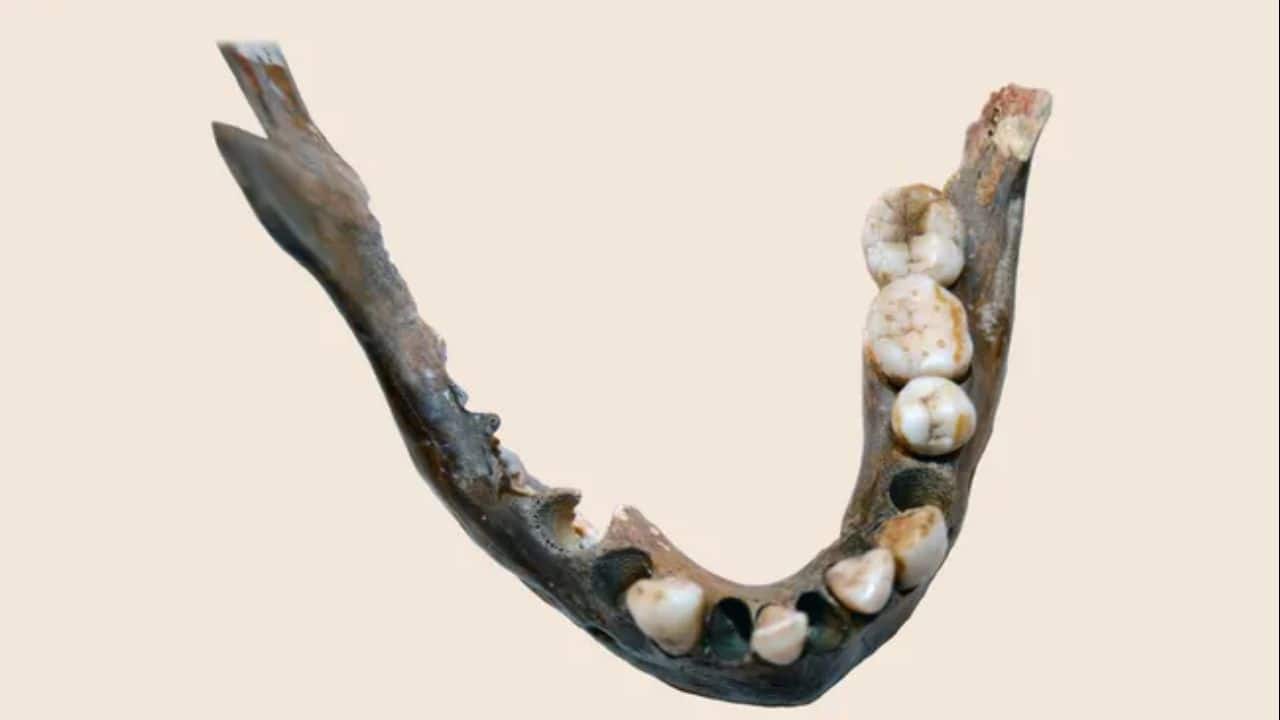
A recent study published in Nature reveals that early humans in southern Africa experienced a prolonged period of isolation, remaining genetically distinct from other populations for nearly 100,000 years. Researchers sequenced the genomes of 28 individuals whose remains were dated between 225 and 10,275 years old, all sourced from areas south of the Limpopo River. This groundbreaking research suggests that the genetic traits of these ancient populations lie outside the range observed in modern humans.
The study’s findings indicate that humans living in southern Africa prior to approximately 1,400 years ago exhibited markedly different genetic profiles. This genetic isolation implies that the region maintained a separation from larger human movements that occurred elsewhere. Study co-author Mattias Jakobsson from Uppsala University noted that geographical distance alone could not account for this lack of interaction, as humans are known to traverse significant distances. He suggested that adverse conditions in areas surrounding the Zambezi River may have hindered early human communities from migrating and mixing with other populations.
The research highlights that many individuals from the time period of 10,200 to 1,400 years ago displayed genetic characteristics that fell outside the spectrum of modern human variation. This led researchers to identify a unique genetic makeup termed the “ancient southern African ancestry component.” Notably, there is little evidence of genetic mixing with external populations until around A.D. 550, which contrasts with previous theories that suggested ongoing contact among different African regions.
Statistical modeling indicates that the southern population remained significant in size until approximately 200,000 years ago, with evidence suggesting that some individuals may have migrated north during favorable climatic periods. However, the population began to decline around 50,000 years ago. Subsequently, farmers from the north interacted and mixed with southern foragers roughly 1,300 years ago.
Jakobsson emphasized that this ancient group contributes to half of all human genetic diversity, with the remainder found across the rest of the world. The genomes studied provided insights into essential human traits, revealing several genetic variants associated with kidney function and brain neuron growth. These adaptations may have been critical for early humans in managing water supplies and enhancing cognitive capabilities.
The implications of this research extend beyond understanding ancient populations. The presence of unique human-specific variants among ancient southern Africans supports a combinatorial evolution model, suggesting that various genetic combinations played a role in shaping modern humans. Jakobsson remarked that while humans likely evolved in multiple regions, the influence of these environments on human traits continues to be a compelling area of study.
The results of this research shed light on the complex history of human evolution and the significant genetic diversity that still exists today. As scientists continue to explore the genetic legacy of ancient communities, they uncover vital information about how Homo sapiens developed over millennia.

Activists Aid Flood-Affected Farmers in Punjab’s Border Villages

Fire at Arpora Restaurant Claims 23 Lives, Investigation Launched

Indian Government Caps Domestic Airfares to Ensure Accessibility

“Kill Bill”: A Bold Challenge to Female Stereotypes in Action Cinema

Health Insights for December 7, 2025: Zodiac Predictions Unveiled

Trump Honors Sylvester Stallone, Gloria Gaynor, and Others at Kennedy Center Ceremony

Bethlehem Celebrates Christmas with Hopeful Tree Lighting

Protests Erupt in Washington Over U.S. Strikes on Venezuelan Boats

India’s Richest States Revealed: GDP and Income Rankings for 2025

SBI Announces QIP Floor Price at ₹811.05 Per Share

Cept Unveils ₹3.1 Crore Urban Mobility Plan for Sustainable Growth

New Blood Group Discovered in South Indian Woman at Rotary Centre

Torrential Rains Cause Flash Flooding in New York and New Jersey

Konkani Cultural Organisation to Host Pearl Jubilee in Abu Dhabi

Broad Advocates for Bowling Change Ahead of Final Test Against India

Nothing Headphone 1 Review: A Bold Contender in Audio Design

Air India Crash Investigation Highlights Boeing Fuel Switch Concerns

Indian Stock Market Rebounds: Sensex and Nifty Rise After Four-Day Decline
-
 World5 months ago
SBI Announces QIP Floor Price at ₹811.05 Per Share
-
 Lifestyle5 months ago
Cept Unveils ₹3.1 Crore Urban Mobility Plan for Sustainable Growth
-
 Science4 months ago
New Blood Group Discovered in South Indian Woman at Rotary Centre
-
 World5 months ago
Torrential Rains Cause Flash Flooding in New York and New Jersey
-
 Top Stories5 months ago
Konkani Cultural Organisation to Host Pearl Jubilee in Abu Dhabi
-
 Sports4 months ago
Broad Advocates for Bowling Change Ahead of Final Test Against India
-
 Science5 months ago
Nothing Headphone 1 Review: A Bold Contender in Audio Design
-
 Top Stories5 months ago
Air India Crash Investigation Highlights Boeing Fuel Switch Concerns
-
 Business5 months ago
Indian Stock Market Rebounds: Sensex and Nifty Rise After Four-Day Decline
-

 Sports4 months ago
Cristian Totti Retires at 19: Pressure of Fame Takes Toll
-

 Politics5 months ago
Abandoned Doberman Finds New Home After Journey to Prague
-

 Top Stories5 months ago
Patna Bank Manager Abhishek Varun Found Dead in Well