
Health
Karnataka Government Rejects Liquor Revenue Proposal for Health

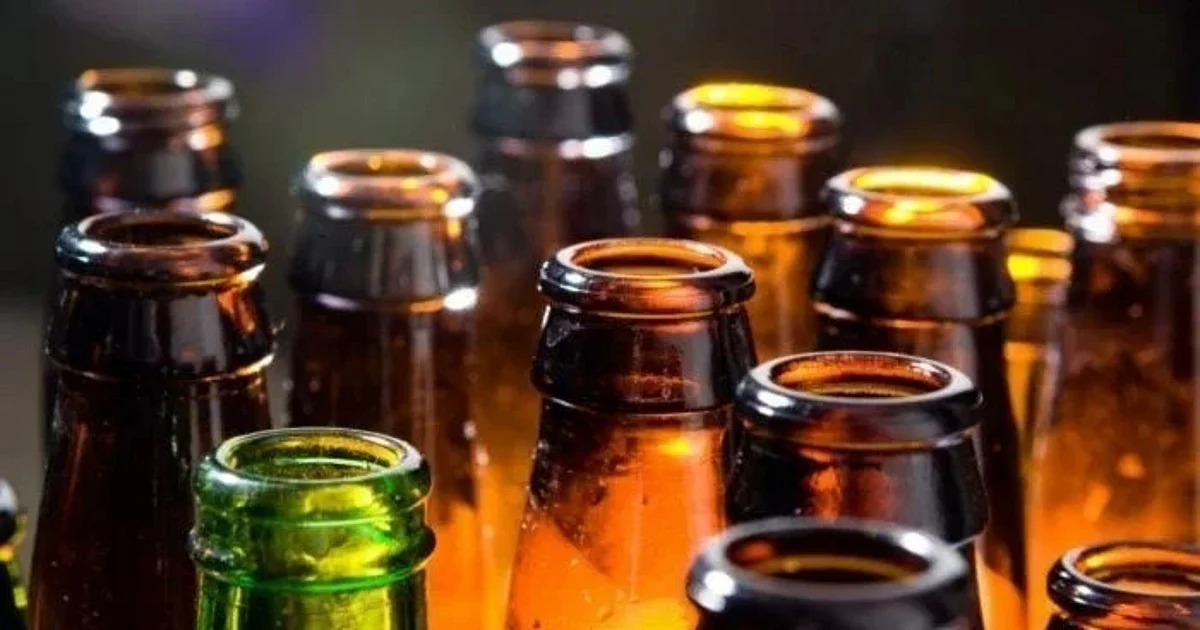
The Karnataka Government has declined a request from the Opposition BJP to allocate 20 percent of its revenue from liquor sales for the treatment of liver diseases, particularly cirrhosis and jaundice. This decision, announced on Monday, highlights the government’s stance on alcohol consumption and its efforts to combat related health issues.
During a session in the Council, N S Boseraju, Leader of the House, emphasized that the government is not promoting alcohol use. He pointed out that measures have been implemented to discourage consumption, including increased prices on liquor and initiatives aimed at raising awareness about the dangers associated with alcohol.
In a related context, even in the prohibition state of Gujarat, the government reportedly generated Rs 94 lakh from liquor sales at GIFT City. Boseraju explained that revenue estimates are part of efforts to monitor and regulate illegal sales rather than encourage consumption.
The minister stated, “There should be reforms in society. On humanitarian grounds, help is extended for treatment under the CM’s relief fund. Treatments are available under PM Jana Arogya Yojana, National Health Mission, and superspecialty hospitals.” He clarified that the health and excise departments operate independently, with their budgetary allocations derived from total revenue collected.
Opposition Chief Whip N Ravikumar raised concerns about the increasing prevalence of liver diseases linked to rising alcohol consumption. He cited the government’s ambitious liquor sales target of Rs 43,000 crore for the fiscal year 2025-26, arguing that this goal contributes to both legal and illegal alcohol sales, exacerbating public health issues.
Ravikumar stated, “Poor people suffer from liver diseases for which treatment is expensive. If the government helps such people to get cured, they may bring a little more revenue to the government.” He highlighted that 2.2 percent of deaths in Karnataka are attributed to liver diseases, underscoring the urgency of addressing this health crisis.
The discussion also revealed that Karnataka recorded 6.88 crore cases of liquor sold, despite being the ninth most populous state in India. K S Naveen of the BJP pointed out the inadequate health infrastructure, noting that the state has only one government institute to treat liver cirrhosis and just 30 gastroenterologists. He called for the appointment of a gastroenterologist in each district and stricter enforcement of excise regulations to combat illegal liquor sales.
Within the debate, B K Hariprasad from the Congress party remarked that alcohol consumption has become ingrained in culture, while others suggested that it is not solely responsible for liver diseases. Ramesh Babu of Congress urged the central government to take action against tobacco sales, which he identified as a significant health risk leading to cancer.
As discussions continue, leaders like C T Ravi, Bharati Shetty, and Hemalata Naik from the BJP have stressed the importance of addressing youth addiction to alcohol. The contrasting perspectives reflect a complex interplay between health, policy, and societal norms regarding alcohol consumption in Karnataka.

New Episode of The Mighty Nein Premieres December 10, 2025

Patients Embrace Digital Records, Leaving Paper Behind

Bhavnagar Cybercrime Gang Launders Rs 719 Crore to Dubai, Ten Arrested

India Develops Sea-Based Missile Defence to Counter Threats

AI Model Achieves 99% Accuracy in Predicting Kidney Disease

Magnus Carlsen Triumphs in Unconventional Showdown Against Frode Elsness

Punjab Court Responds to Amritpal Singh’s Challenge Against Detention

Government Launches Inquiry into IndiGo Flight Disruptions

Karnataka Government Faces Fiscal Crisis Amid GST Revisions

SBI Announces QIP Floor Price at ₹811.05 Per Share

Cept Unveils ₹3.1 Crore Urban Mobility Plan for Sustainable Growth

New Blood Group Discovered in South Indian Woman at Rotary Centre

Torrential Rains Cause Flash Flooding in New York and New Jersey

Konkani Cultural Organisation to Host Pearl Jubilee in Abu Dhabi

Broad Advocates for Bowling Change Ahead of Final Test Against India

Nothing Headphone 1 Review: A Bold Contender in Audio Design

Air India Crash Investigation Highlights Boeing Fuel Switch Concerns

Indian Stock Market Rebounds: Sensex and Nifty Rise After Four-Day Decline
-
 World5 months ago
SBI Announces QIP Floor Price at ₹811.05 Per Share
-
 Lifestyle5 months ago
Cept Unveils ₹3.1 Crore Urban Mobility Plan for Sustainable Growth
-
 Science4 months ago
New Blood Group Discovered in South Indian Woman at Rotary Centre
-
 World5 months ago
Torrential Rains Cause Flash Flooding in New York and New Jersey
-
 Top Stories5 months ago
Konkani Cultural Organisation to Host Pearl Jubilee in Abu Dhabi
-
 Sports4 months ago
Broad Advocates for Bowling Change Ahead of Final Test Against India
-
 Science5 months ago
Nothing Headphone 1 Review: A Bold Contender in Audio Design
-
 Top Stories5 months ago
Air India Crash Investigation Highlights Boeing Fuel Switch Concerns
-
 Business5 months ago
Indian Stock Market Rebounds: Sensex and Nifty Rise After Four-Day Decline
-

 Sports4 months ago
Cristian Totti Retires at 19: Pressure of Fame Takes Toll
-
 Politics5 months ago
Abandoned Doberman Finds New Home After Journey to Prague
-
 Top Stories5 months ago
Patna Bank Manager Abhishek Varun Found Dead in Well