
Business
Karnataka Government Faces Fiscal Crisis Amid GST Revisions

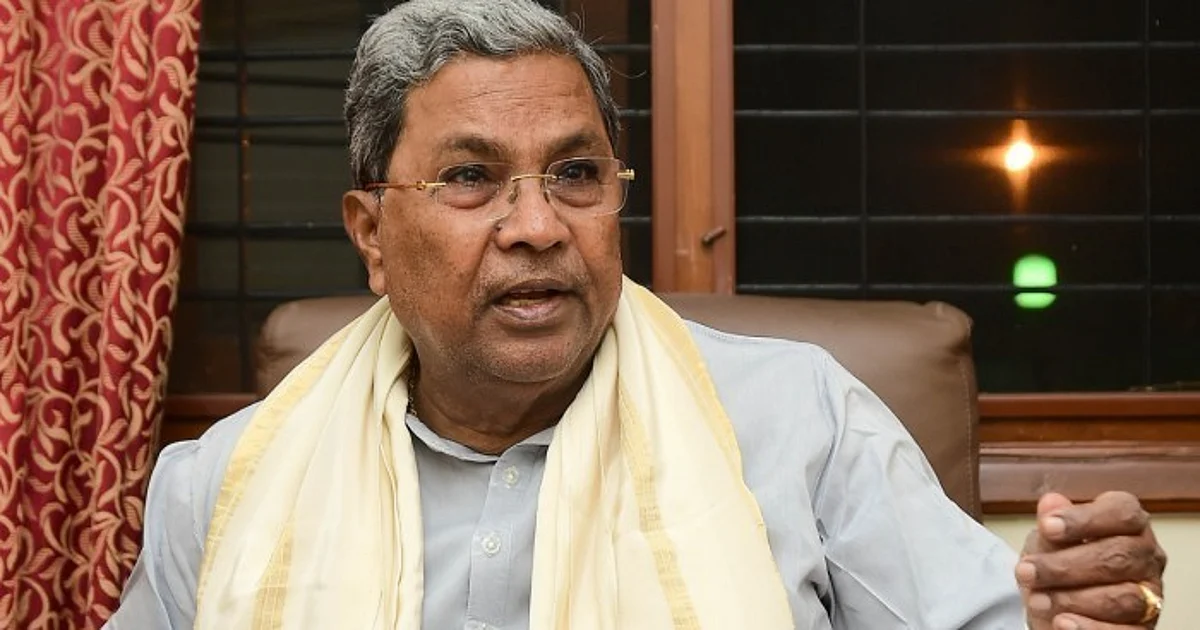
Karnataka is grappling with a significant fiscal challenge, anticipating a loss of approximately Rs 18,500 crore in the current fiscal year due to revisions in the Goods and Services Tax (GST) and the central government’s refusal to share compensation cess. In response, the administration led by Chief Minister Siddaramaiah is urgently exploring measures to address this shortfall, which may result in increased borrowing.
The Karnataka government is considering multiple resource mobilization strategies, including the auction of liquor licenses and the monetization of public lands. However, these proposals have met with internal resistance. In a recent development, the Supreme Court issued a notice to Chief Minister Siddaramaiah regarding a plea challenging his election from the Varuna constituency in the 2023 elections.
In a letter to Prime Minister Narendra Modi last week, Siddaramaiah expressed concerns about the economic outlook, warning of “more difficult months ahead.” He detailed a projected shortfall of Rs 9,000 crore, citing a “severe reduction” in GST collections, which does not account for an additional estimated loss of Rs 9,500 crore stemming from the non-merger of compensation cess.
State finances have further deteriorated, with Karnataka experiencing a 26% drop in grants-in-aid from the central government between April and October, receiving Rs 6,306.36 crore compared to Rs 8,623.51 crore during the same period last year. A senior minister, aware of the fiscal situation, noted that continued financial strain could necessitate further tightening of the budget.
Potential Resource Mobilization Strategies
The Karnataka government is evaluating a proposal to monetize urban land assets, as recommended by a committee led by retired IAS officer K P Krishnan. While this strategy is not new—land monetization was attempted during H D Kumaraswamy’s tenure as Chief Minister in 2006—some officials remain skeptical, viewing it as a means of disposing of assets at undervalued rates.
Additionally, the government is planning to auction various liquor licenses, specifically CL-2 (retail liquor shop) and CL-9 (bar and restaurant) licenses. Authorities are also considering the auction of unused CL-11(C) licenses, typically granted to retail outlets operated by the Mysore Sales International Ltd (MSIL). These auctions could potentially generate up to Rs 1,000 crore for the state, with the government aiming for an excise revenue target of Rs 40,000 crore this fiscal year.
Despite the potential revenue boost from new liquor shops, senior Congress lawmaker B R Patil has expressed concerns. In a letter to Siddaramaiah, he argued against permitting new liquor establishments during the ongoing “Gandhi Bharata” campaign, which commemorates 100 years since Mahatma Gandhi presided over a Congress session in Belgaum.
Increasing Borrowing Threatens Financial Stability
There are indications that the Karnataka government may resort to additional borrowing to manage the fiscal crisis. The administration has projected that it will borrow Rs 1.16 lakh crore this year, a figure dangerously close to breaching legal borrowing limits. In the previous fiscal year, the government borrowed a staggering Rs 1 lakh crore.
As the situation unfolds, the Karnataka government faces critical decisions that will impact its financial stability and public services. With growing concerns about budget management, the administration’s ability to navigate these challenges will be closely scrutinized in the coming months.

New Episode of The Mighty Nein Premieres December 10, 2025

Patients Embrace Digital Records, Leaving Paper Behind

Bhavnagar Cybercrime Gang Launders Rs 719 Crore to Dubai, Ten Arrested

India Develops Sea-Based Missile Defence to Counter Threats

AI Model Achieves 99% Accuracy in Predicting Kidney Disease

Magnus Carlsen Triumphs in Unconventional Showdown Against Frode Elsness

Punjab Court Responds to Amritpal Singh’s Challenge Against Detention

Government Launches Inquiry into IndiGo Flight Disruptions

Karnataka Government Faces Fiscal Crisis Amid GST Revisions

SBI Announces QIP Floor Price at ₹811.05 Per Share

Cept Unveils ₹3.1 Crore Urban Mobility Plan for Sustainable Growth

New Blood Group Discovered in South Indian Woman at Rotary Centre

Torrential Rains Cause Flash Flooding in New York and New Jersey

Konkani Cultural Organisation to Host Pearl Jubilee in Abu Dhabi

Broad Advocates for Bowling Change Ahead of Final Test Against India

Nothing Headphone 1 Review: A Bold Contender in Audio Design

Air India Crash Investigation Highlights Boeing Fuel Switch Concerns

Indian Stock Market Rebounds: Sensex and Nifty Rise After Four-Day Decline
-
 World5 months ago
SBI Announces QIP Floor Price at ₹811.05 Per Share
-
 Lifestyle5 months ago
Cept Unveils ₹3.1 Crore Urban Mobility Plan for Sustainable Growth
-
 Science4 months ago
New Blood Group Discovered in South Indian Woman at Rotary Centre
-
 World5 months ago
Torrential Rains Cause Flash Flooding in New York and New Jersey
-
 Top Stories5 months ago
Konkani Cultural Organisation to Host Pearl Jubilee in Abu Dhabi
-
 Sports4 months ago
Broad Advocates for Bowling Change Ahead of Final Test Against India
-
 Science5 months ago
Nothing Headphone 1 Review: A Bold Contender in Audio Design
-
 Top Stories5 months ago
Air India Crash Investigation Highlights Boeing Fuel Switch Concerns
-
 Business5 months ago
Indian Stock Market Rebounds: Sensex and Nifty Rise After Four-Day Decline
-

 Sports4 months ago
Cristian Totti Retires at 19: Pressure of Fame Takes Toll
-

 Politics5 months ago
Abandoned Doberman Finds New Home After Journey to Prague
-
 Top Stories5 months ago
Patna Bank Manager Abhishek Varun Found Dead in Well