
Science
Scientists Uncover Largest Dinosaur Footprint Collection in Bolivia

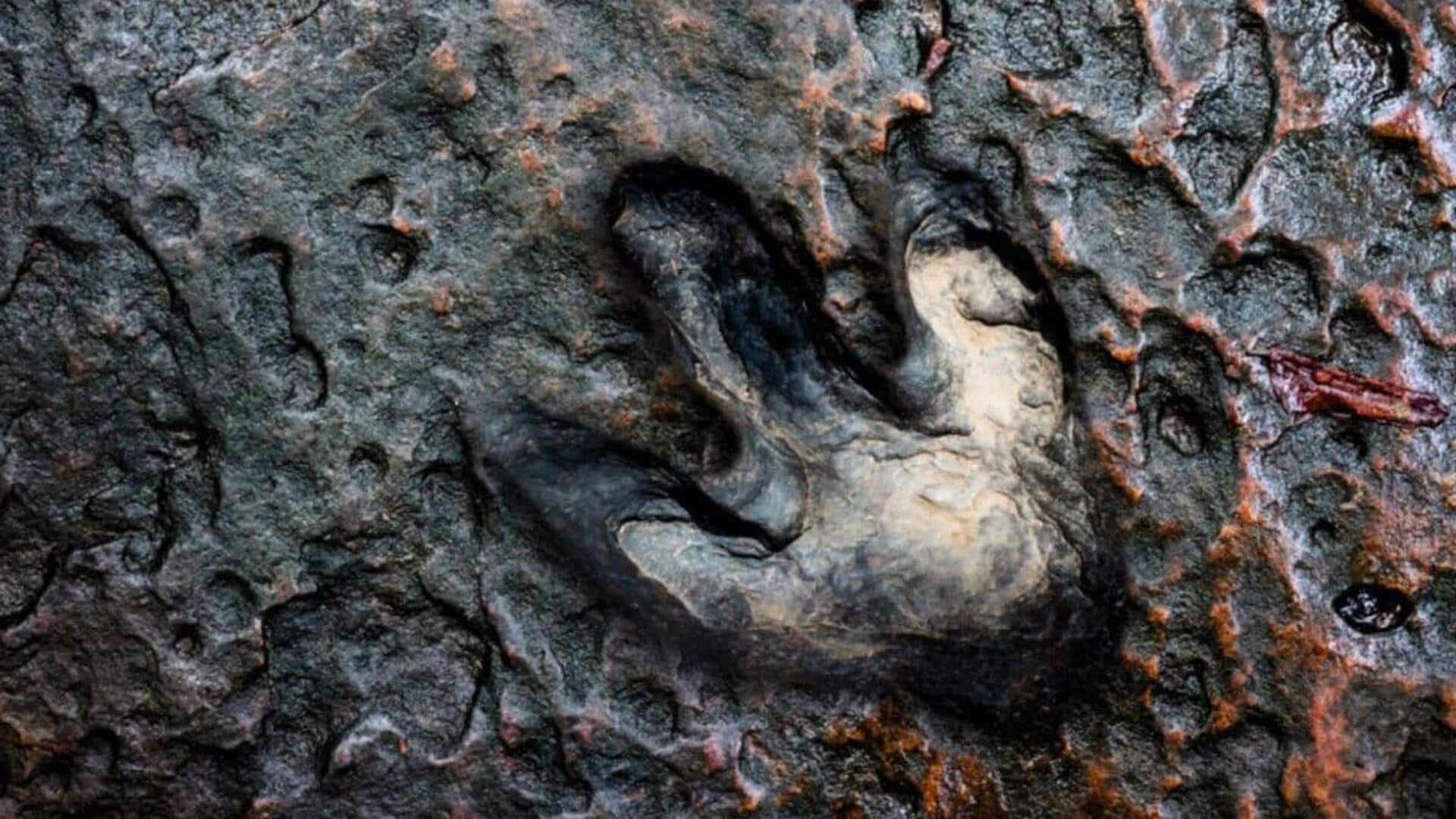
In a significant paleontological breakthrough, researchers have discovered the largest collection of dinosaur footprints ever documented. Located in the Carreras Pampa region of Bolivia’s Torotoro National Park, this remarkable site features an astonishing total of 16,600 dinosaur tracks. All of these footprints were created by theropods, the carnivorous relatives of the well-known Tyrannosaurus rex. This finding offers new insights into the behavior and movement patterns of these ancient predators during the Late Cretaceous period.
Unlike other fossil sites that typically showcase a mix of herbivorous and carnivorous species, Carreras Pampa stands out for its exclusive collection of carnivore tracks. The footprints, preserved in soil dating back to the Maastrichtian era, range in size from less than 10 centimeters to over 30 centimeters. The unique nature of this site allows researchers to gain a rare glimpse into how these predatory dinosaurs interacted with their environment.
Unprecedented Findings on Dinosaur Behavior
The Carreras Pampa site also contains a variety of intriguing features, including 280 swim pathways, 289 solitary prints, and 1,321 continuous trackways on a single stratigraphic surface. In total, the study recorded over 1,378 swim footprints, some of which demonstrate alternating left-right limb movement. This evidence suggests that these dinosaurs engaged in swimming behavior, a rare occurrence in the fossil record. The research on these findings was published in the journal Communications Biology.
Researchers noted that the footprints exhibit detailed characteristics such as toe splay, tail drag marks, and small turns or stops. These features are exceptionally well-preserved due to the carbonate-rich substrate and low-energy depositional environment of the area. The deeper impressions indicate larger dinosaurs that pushed into the soft mud, while shallower prints suggest either smaller creatures or harder terrain nearby.
Despite the extensive collection of predatory tracks, the ecological reason behind such a large gathering of theropods remains unclear. The team of researchers has proposed several hypotheses, including the possibility of a behaviorally separated hunting area or a scavenger aggregation near a diminishing water source. However, the absence of prey species across an area of approximately 7,500 square meters raises questions that remain unanswered.
This extraordinary discovery at Carreras Pampa not only enhances our understanding of dinosaur behavior but also underscores the significance of Bolivia as a crucial site for paleontological research. The findings open new avenues for exploration into the life and ecosystems of these ancient creatures, providing a clearer picture of their interactions during a pivotal time in Earth’s history.

Malti Chahar Confronts Shehbaz Badesha on Bigg Boss 19 Comments

CAT Orders JKPSC to Submit Deputy Medical Superintendent Records

Srinagar’s Sunday Market Thrives as Winter Demand Soars

Bangladesh Delegation Joins Vijay Diwas Celebrations in India

Join ESPN’s Eric Moody for Live Fantasy Football Q&A This Sunday

IndiGo Faces Flight Cancellations, MoCA Responds with Reforms

German Chancellor Merz and Netanyahu Disagree on Palestinian Statehood

BJP Government Claims Progress in Development and Law Enforcement

Star-Studded Pickleball Showdown at IPBL 2025 Ends in Thrilling Win

SBI Announces QIP Floor Price at ₹811.05 Per Share

Cept Unveils ₹3.1 Crore Urban Mobility Plan for Sustainable Growth

New Blood Group Discovered in South Indian Woman at Rotary Centre

Torrential Rains Cause Flash Flooding in New York and New Jersey

Konkani Cultural Organisation to Host Pearl Jubilee in Abu Dhabi

Broad Advocates for Bowling Change Ahead of Final Test Against India

Nothing Headphone 1 Review: A Bold Contender in Audio Design

Air India Crash Investigation Highlights Boeing Fuel Switch Concerns

Indian Stock Market Rebounds: Sensex and Nifty Rise After Four-Day Decline
-
 World5 months ago
SBI Announces QIP Floor Price at ₹811.05 Per Share
-
 Lifestyle5 months ago
Cept Unveils ₹3.1 Crore Urban Mobility Plan for Sustainable Growth
-
 Science4 months ago
New Blood Group Discovered in South Indian Woman at Rotary Centre
-
 World5 months ago
Torrential Rains Cause Flash Flooding in New York and New Jersey
-
 Top Stories5 months ago
Konkani Cultural Organisation to Host Pearl Jubilee in Abu Dhabi
-
 Sports4 months ago
Broad Advocates for Bowling Change Ahead of Final Test Against India
-
 Science5 months ago
Nothing Headphone 1 Review: A Bold Contender in Audio Design
-
 Top Stories5 months ago
Air India Crash Investigation Highlights Boeing Fuel Switch Concerns
-
 Business5 months ago
Indian Stock Market Rebounds: Sensex and Nifty Rise After Four-Day Decline
-

 Sports4 months ago
Cristian Totti Retires at 19: Pressure of Fame Takes Toll
-

 Politics5 months ago
Abandoned Doberman Finds New Home After Journey to Prague
-

 Top Stories5 months ago
Patna Bank Manager Abhishek Varun Found Dead in Well