
Politics
EU Moves to Utilize Frozen Russian Assets, Sparks Moscow’s Fury

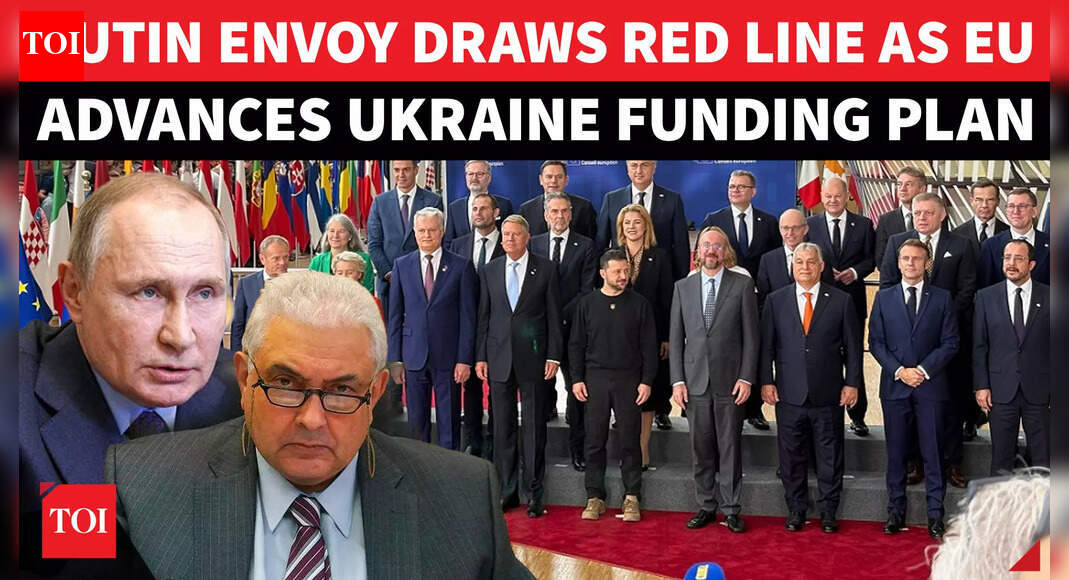
The European Union is advancing a contentious initiative to utilize frozen Russian state assets to support Ukraine’s military efforts, prompting a sharp rebuke from Moscow. Russia’s ambassador to Germany, Sergey Nechaev, described the EU’s proposal as “theft” and warned that it could result in significant legal repercussions, including endless lawsuits and damage to the EU’s global business standing.
Under the proposed plan, the EU aims to generate billions of euros over the next two years by leveraging immobilized Russian funds. This strategy comes amid increasing pressure on European leaders to find alternative funding sources for Ukraine’s ongoing conflict with Russia. The urgency of the situation is underscored by the growing expectations from Washington for a swift resolution to the war.
Despite the push from several EU member states, divisions remain evident within Europe. Notably, Belgium, where the majority of the frozen assets are located, has so far rejected the proposal due to serious legal concerns. The Belgian government has indicated that the potential risks associated with the plan could outweigh any immediate financial benefits, leading to a cautious stance.
As discussions continue, Friedrich Merz, Germany’s Chancellor, confirmed that dialogues with Belgian officials and EU leaders will persist leading up to the crucial summit scheduled for December 18-19, 2023. The summit aims to address the ongoing challenges in securing funding for Ukraine while navigating the complex geopolitical landscape.
Russia’s response to these developments has been severe, with Nechaev warning of “legal anarchy” and emphasizing that the implications of the EU’s actions could extend far beyond immediate financial considerations. As Brussels strives for consensus on the contentious issue of frozen assets, the potential consequences of this high-stakes geopolitical confrontation loom large.
The situation highlights the intricate balance the EU must maintain between supporting Ukraine and managing its relationships with member states and international partners. As European leaders grapple with this challenge, the outcome of the discussions could set significant precedents for future dealings with Russia and impact international business relations for years to come.

Dakota Johnson Discusses Complex Journey in Hollywood at Festival

Rujuta Diwekar Challenges Anti-Aging Standards in New Video

Discover Indigo’s Revival at Hampi Art Labs’ ‘Blue Futures’ Exhibit

Petro Condemns U.S. Military Presence, Calls for Latin Unity

Scientists Explore Feasibility of Human Life on the Moon by 2026

India Love Sparks Controversy at The Streamer Awards 2025

Explore the Spiritual Power of Anuradha Nakshatra in Love

Discover 10 Transformative Lessons from Martha Beck’s ‘Beyond Anxiety’

Fitness Coach Shares Effective Tips to Lose 1 kg Weekly Before 2026

SBI Announces QIP Floor Price at ₹811.05 Per Share

Cept Unveils ₹3.1 Crore Urban Mobility Plan for Sustainable Growth

New Blood Group Discovered in South Indian Woman at Rotary Centre

Torrential Rains Cause Flash Flooding in New York and New Jersey

Konkani Cultural Organisation to Host Pearl Jubilee in Abu Dhabi

Broad Advocates for Bowling Change Ahead of Final Test Against India

Nothing Headphone 1 Review: A Bold Contender in Audio Design

Air India Crash Investigation Highlights Boeing Fuel Switch Concerns

Indian Stock Market Rebounds: Sensex and Nifty Rise After Four-Day Decline
-
 World5 months ago
SBI Announces QIP Floor Price at ₹811.05 Per Share
-
 Lifestyle5 months ago
Cept Unveils ₹3.1 Crore Urban Mobility Plan for Sustainable Growth
-
 Science4 months ago
New Blood Group Discovered in South Indian Woman at Rotary Centre
-
 World5 months ago
Torrential Rains Cause Flash Flooding in New York and New Jersey
-
 Top Stories5 months ago
Konkani Cultural Organisation to Host Pearl Jubilee in Abu Dhabi
-
 Sports4 months ago
Broad Advocates for Bowling Change Ahead of Final Test Against India
-
 Science5 months ago
Nothing Headphone 1 Review: A Bold Contender in Audio Design
-
 Top Stories5 months ago
Air India Crash Investigation Highlights Boeing Fuel Switch Concerns
-
 Business5 months ago
Indian Stock Market Rebounds: Sensex and Nifty Rise After Four-Day Decline
-

 Sports4 months ago
Cristian Totti Retires at 19: Pressure of Fame Takes Toll
-

 Politics5 months ago
Abandoned Doberman Finds New Home After Journey to Prague
-

 Top Stories5 months ago
Patna Bank Manager Abhishek Varun Found Dead in Well