
Health
Mastering the Art of Soft Chapatis: 10 Essential Tips

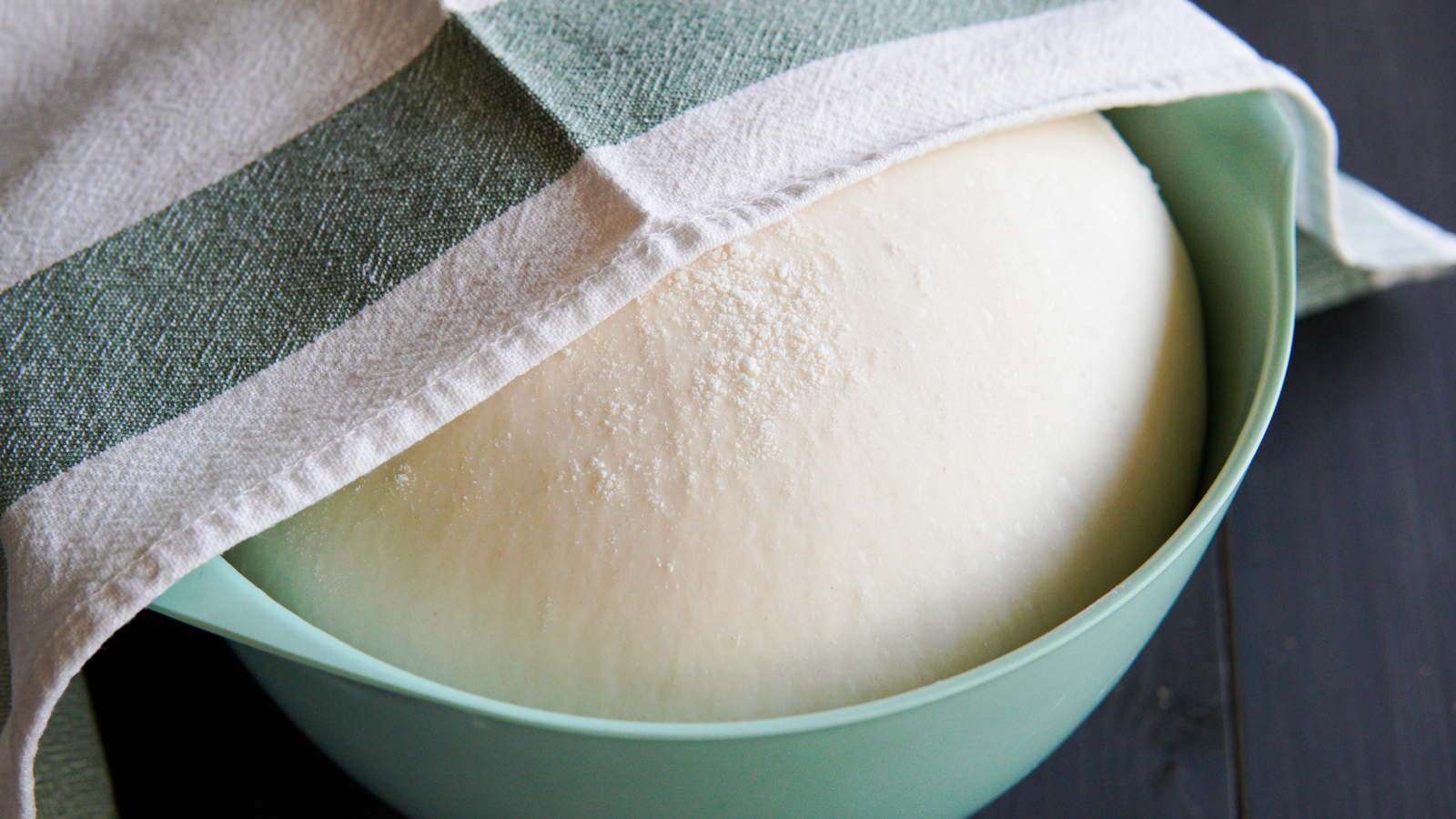
Chapatis are a staple in many Indian diets, but keeping them soft and fresh throughout the day can be a challenge. Often, people find that their chapatis become hard or dry, particularly when packed for lunch or during long work hours. Fortunately, there are effective techniques that ensure chapatis maintain their desired texture, from the preparation of the dough to the final storage methods.
Key Techniques for Soft Chapatis
The journey to perfect chapatis begins with the kneading process. Using warm water or milk instead of cold water is a crucial step. Warm liquids enhance the dough’s softness and make it more pliable. Additionally, incorporating milk not only adds flavor but also helps chapatis retain moisture for longer periods.
After kneading, it is essential to let the dough rest. Cover the dough with a damp cloth and allow it to sit for at least **15 to 20 minutes**. This resting period enables gluten to develop, contributing significantly to the soft texture of the chapatis. A rested dough is also easier to roll out.
Another tip is to add a spoonful of oil or ghee to the dough. This addition keeps the dough moist and helps prevent the chapatis from drying out. One or two teaspoons for a batch is sufficient to make a noticeable difference in texture.
Rolling and Cooking for Optimal Results
The consistency of the dough is vital. If the dough is too hard or too sticky, the resulting chapatis may not turn out well. The ideal dough should be soft and smooth, bouncing back gently when pressed with a finger.
When it comes to rolling, a gentle touch is key. Applying excessive force can lead to uneven chapatis, causing some parts to harden while others remain chewy. Rolling evenly and gently is essential for achieving uniform, thin chapatis.
Cooking temperature also plays a significant role. Chapatis cooked on high heat may brown quickly on the outside while remaining raw inside. Medium heat is the best option, allowing the chapatis to puff up and retain their softness. It is advisable to turn them only when small bubbles appear on the surface.
After cooking, brushing chapatis with a thin layer of ghee or butter immediately helps them maintain moisture. This step not only enhances flavor but also adds a glossy finish.
To prevent chapatis from becoming sticky, avoid stacking them right after cooking. Let them cool for a moment before placing them together, especially if they are meant for tiffin.
Storing chapatis properly is crucial for maintaining their softness. Do not place hot chapatis directly into an airtight container, as trapped steam can lead to sogginess. Instead, line the container with a clean cotton cloth, place the chapatis inside, and cover them with another cloth before sealing the lid. This method keeps them warm and soft for several hours.
Finally, when reheating leftover chapatis, sprinkle a little water on them before placing them on a pan or tawa. This will create steam, instantly softening them. It is important to avoid excessive microwave heating, as this can lead to dryness.
By implementing these ten straightforward techniques, anyone can enjoy soft, fresh chapatis throughout the day, transforming a common challenge into an effortless part of meal preparation.

India Seizes Opportunity to Redefine Global Economic Landscape

Major 4,670 BTC Transfer to Kraken Signals Market Movements

Arknights: Endfield Unveils Chen Qianyu in Thrilling Story Trailer

Surgeons Remove 15 kg Tumors from Woman in Complex Surgery

Zelensky Urges Inclusion of Europe in Peace Talks with Russia

Bill Bryson’s Masterful Science Writing Captivates Readers

WWE Uncovers Footage of Mystery Attacker from Survivor Series

New Challenges Await the Norris Family in Landman Season 2 Episode 4

Indian Actresses Choose Intimate Weddings Over Lavish Celebrations

SBI Announces QIP Floor Price at ₹811.05 Per Share

Cept Unveils ₹3.1 Crore Urban Mobility Plan for Sustainable Growth

New Blood Group Discovered in South Indian Woman at Rotary Centre

Torrential Rains Cause Flash Flooding in New York and New Jersey

Konkani Cultural Organisation to Host Pearl Jubilee in Abu Dhabi

Broad Advocates for Bowling Change Ahead of Final Test Against India

Nothing Headphone 1 Review: A Bold Contender in Audio Design

Air India Crash Investigation Highlights Boeing Fuel Switch Concerns

Indian Stock Market Rebounds: Sensex and Nifty Rise After Four-Day Decline
-
 World5 months ago
SBI Announces QIP Floor Price at ₹811.05 Per Share
-
 Lifestyle5 months ago
Cept Unveils ₹3.1 Crore Urban Mobility Plan for Sustainable Growth
-
 Science4 months ago
New Blood Group Discovered in South Indian Woman at Rotary Centre
-
 World5 months ago
Torrential Rains Cause Flash Flooding in New York and New Jersey
-
 Top Stories5 months ago
Konkani Cultural Organisation to Host Pearl Jubilee in Abu Dhabi
-
 Sports4 months ago
Broad Advocates for Bowling Change Ahead of Final Test Against India
-
 Science5 months ago
Nothing Headphone 1 Review: A Bold Contender in Audio Design
-
 Top Stories5 months ago
Air India Crash Investigation Highlights Boeing Fuel Switch Concerns
-
 Business5 months ago
Indian Stock Market Rebounds: Sensex and Nifty Rise After Four-Day Decline
-

 Sports4 months ago
Cristian Totti Retires at 19: Pressure of Fame Takes Toll
-

 Politics5 months ago
Abandoned Doberman Finds New Home After Journey to Prague
-

 Top Stories5 months ago
Patna Bank Manager Abhishek Varun Found Dead in Well